


The Road to Autonomy
Market intelligence and analysis on the convergence of automation, autonomy, commerce, and economic growth.
Published Weekly on Sunday.
Published Weekly on Sunday.
March 15, 2026
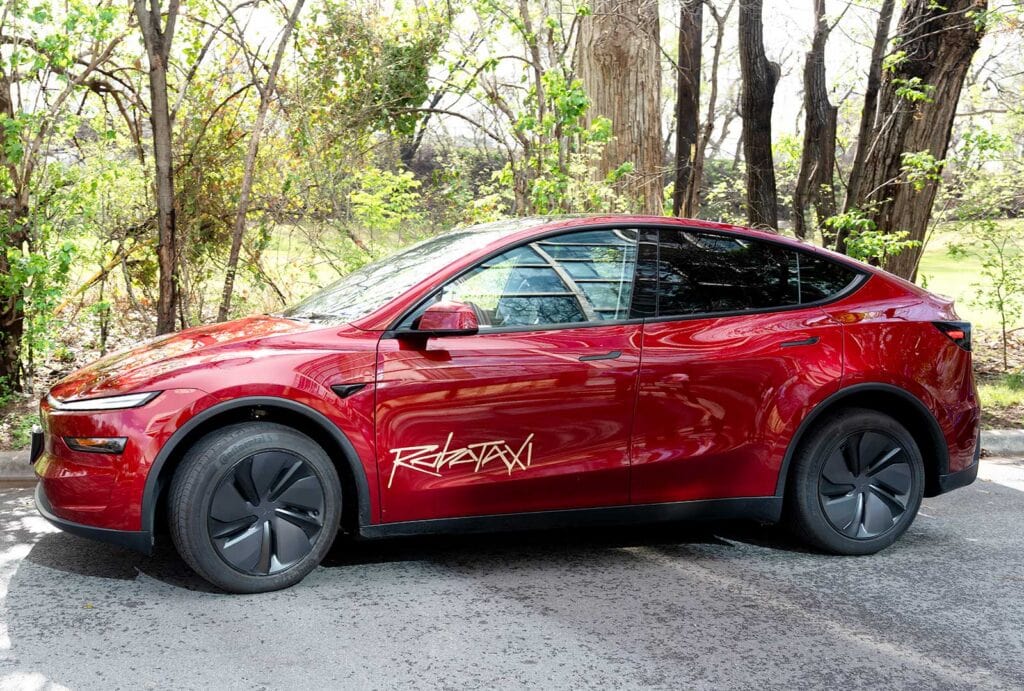
Field Report: Robotaxi Unsupervised & Giga Texas
Tesla's unsupervised robotaxi in Austin delivered driving quality indistinguishable from supervised operations, with mass production of $30k Cybercabs targeted for April at Giga Texas. The company is expanding to six U.S. cities with favorable regulations, while Tokyo emerges as a key international market after regulatory reforms attracted Waymo, Wayve, and Nuro.
Read Analysis →
March 8, 2026
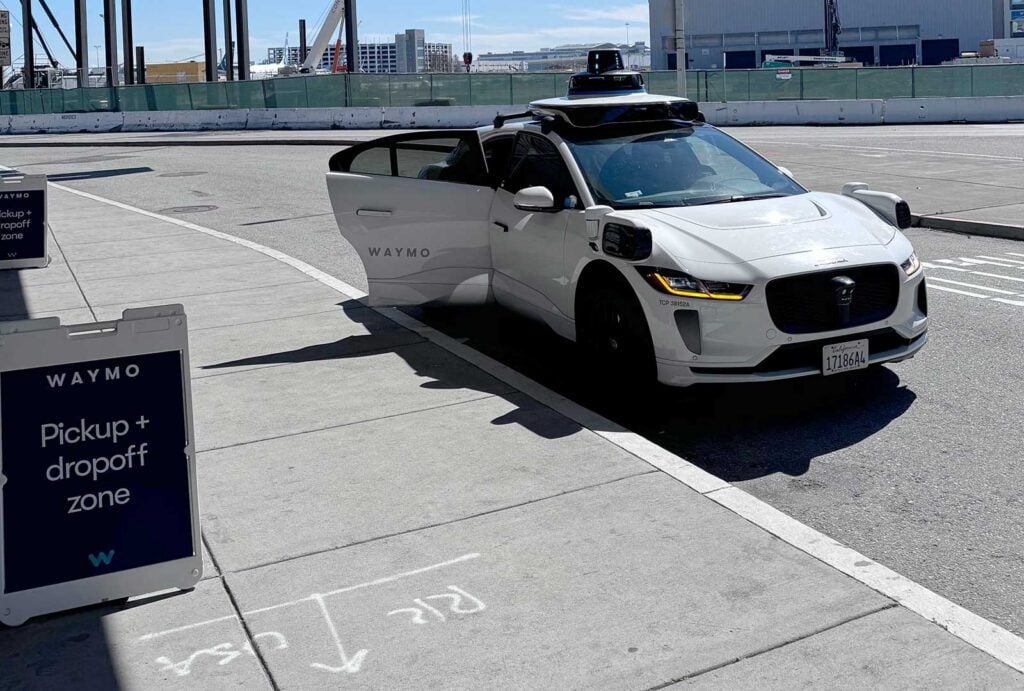
Field Report: Waymo SFO and Highway
Waymo charges a 50% premium over UberX ($90 vs $60 SFO-to-Silicon Valley) but maintains strong adoption due to consistent service quality and privacy. Political opposition to AVs is becoming a litmus test for union-backed Democrats, with California and New York implementing restrictions that may accelerate industry migration to Texas and Florida.
Read Analysis →
March 1, 2026
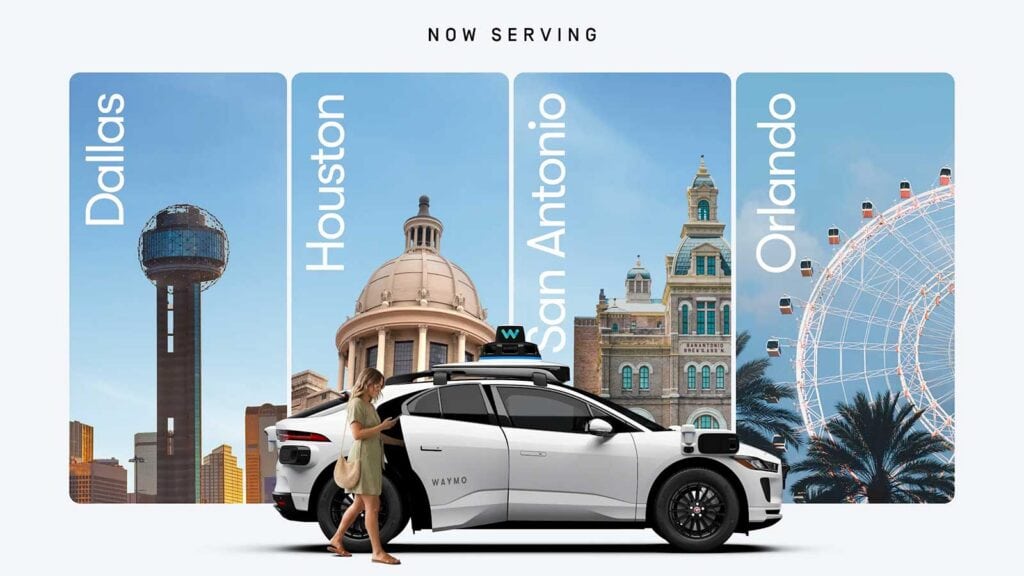
Waymo Accelerates Multi-City Rollout and Targets 1M Weekly Rides
Waymo expanded to 10 metro areas and targets 1M weekly rides by end-2026, while autonomous driving shifts from technical challenge to scaling problem. Recent capital influx (Wayve's $1.2B raise, NVIDIA's $6B physical AI revenue) provides balance sheets to operationalize autonomy, with focus now on business execution over technology development.
Read Analysis →
February 22, 2026
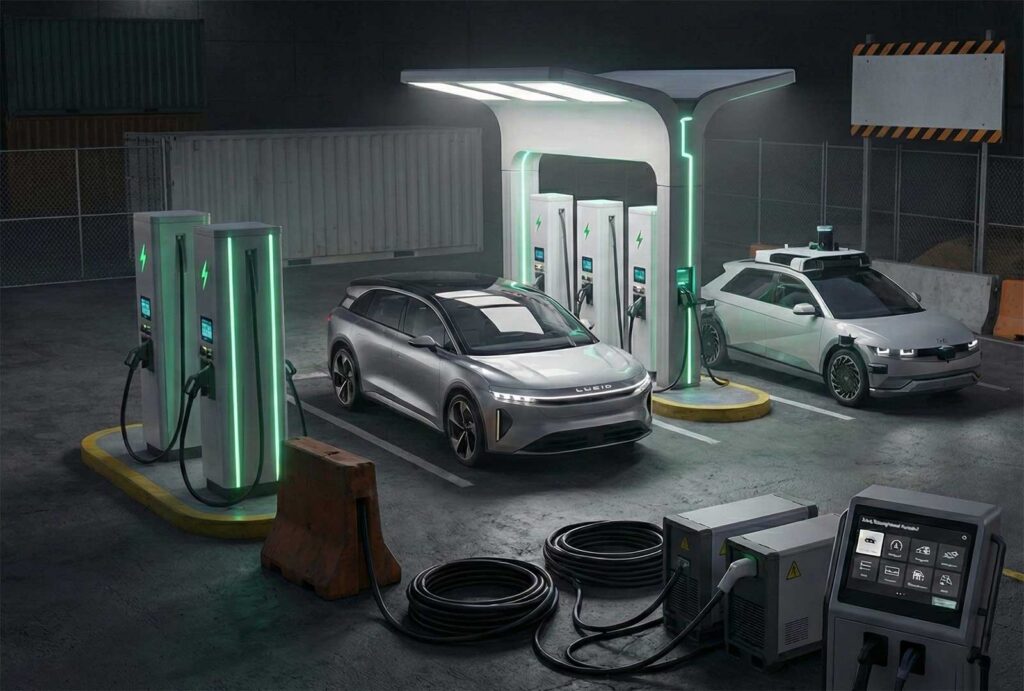
Will the Real Uber Please Stand Up
Uber is abandoning its asset-light model, spending $100M+ on charging infrastructure and buying 20,000 robotaxis, signaling a shift to capital-intensive operations. Meanwhile, Uber-Waymo tensions escalate as Uber restricts infrastructure access, turning partnership into rivalry for autonomous market share.
Read Analysis →
February 15, 2026
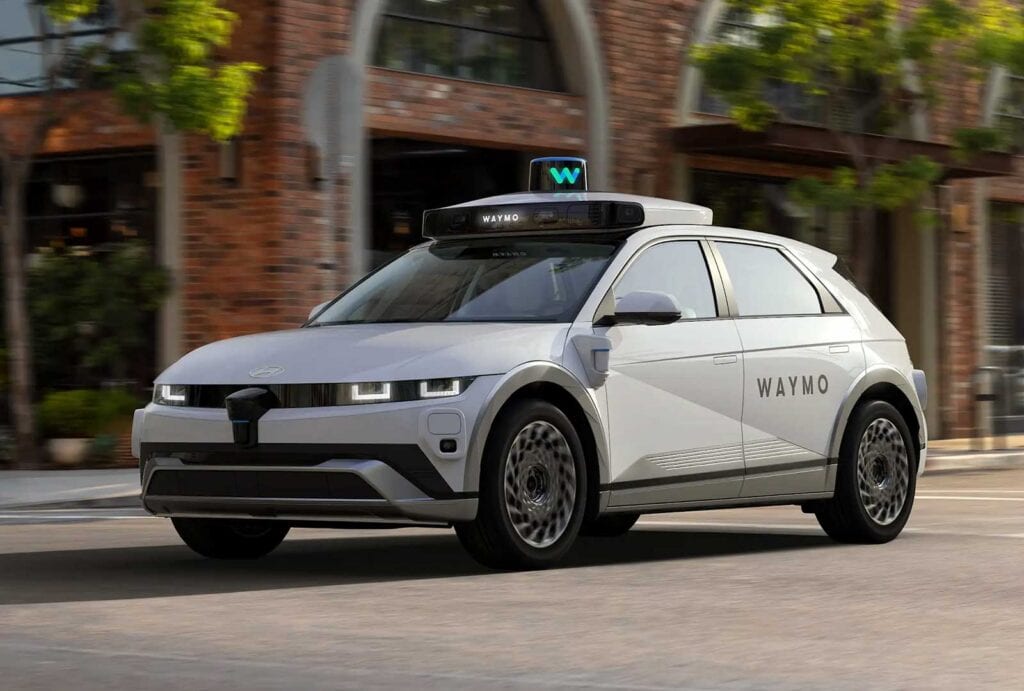
Go Big or Go Home, Waymo Went Big
Waymo's reported 50,000 robotaxi order signals aggressive scaling that threatens Uber's position, as Uber neither owns autonomous technology nor fleet management capabilities. With Waymo and potentially Tesla poised to capture significant US rideshare market share, Uber may pivot toward international markets where it already generates 40%+ of revenue.
Read Analysis →
February 8, 2026
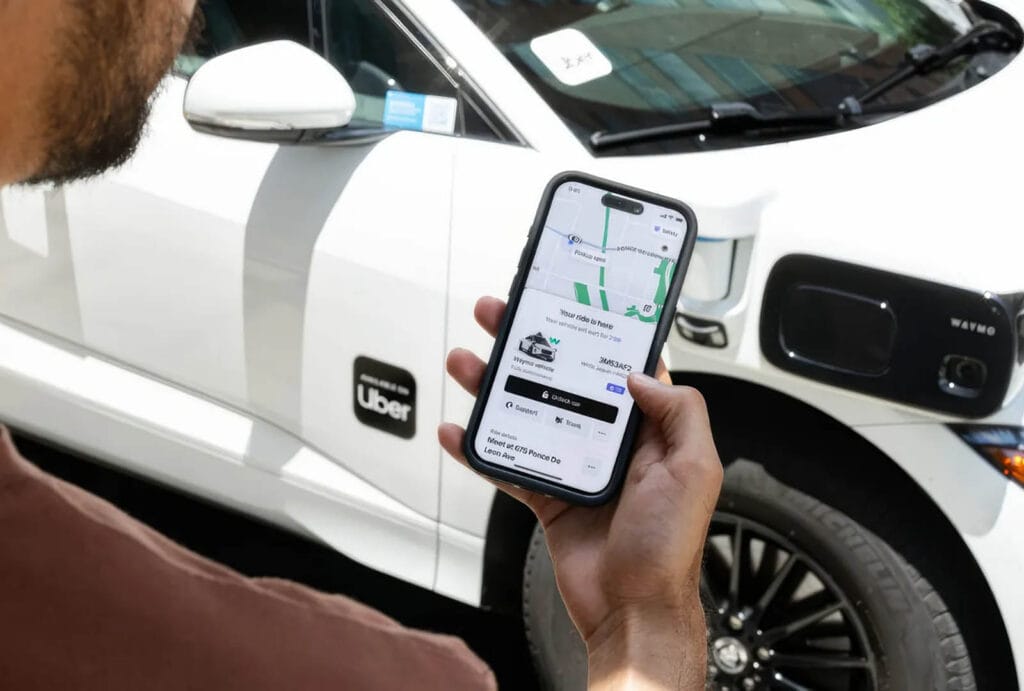
Uber’s Autonomy Paradox: Their Greatest Hedge Is Also Their Greatest Vulnerability
Uber faces strategic tension as autonomous vehicle leaders Waymo and Tesla potentially bypass its platform to operate exclusive networks, threatening its role as demand aggregator. Uber claims 30% higher utilization than standalone robotaxis but is notably absent from Waymo's recent 24 market launches, signaling growing competition rather than partnership.
Read Analysis →
February 1, 2026
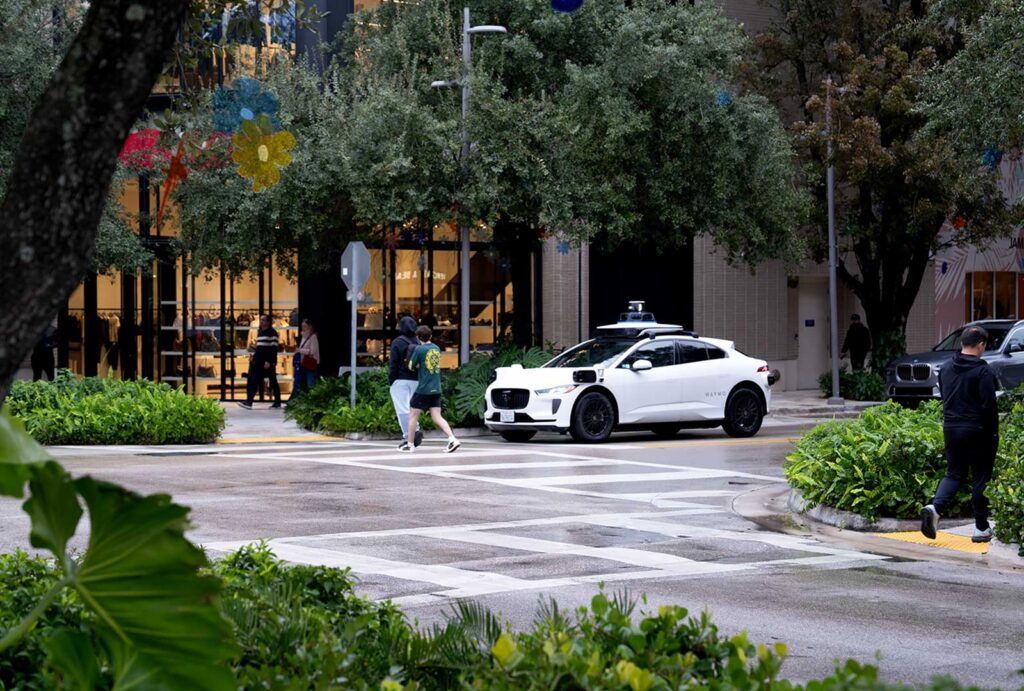
Waymo’s Valuation Skyrockets 144% in 16 Months
Waymo's valuation jumped 144% in 16 months as investor interest returns to autonomous vehicles, but with a new focus on execution and scale over previous metrics. Miami fleet remains limited with minimal observed deployment, and the company's future depot appears at least a year from operational.
Read Analysis →
January 25, 2026
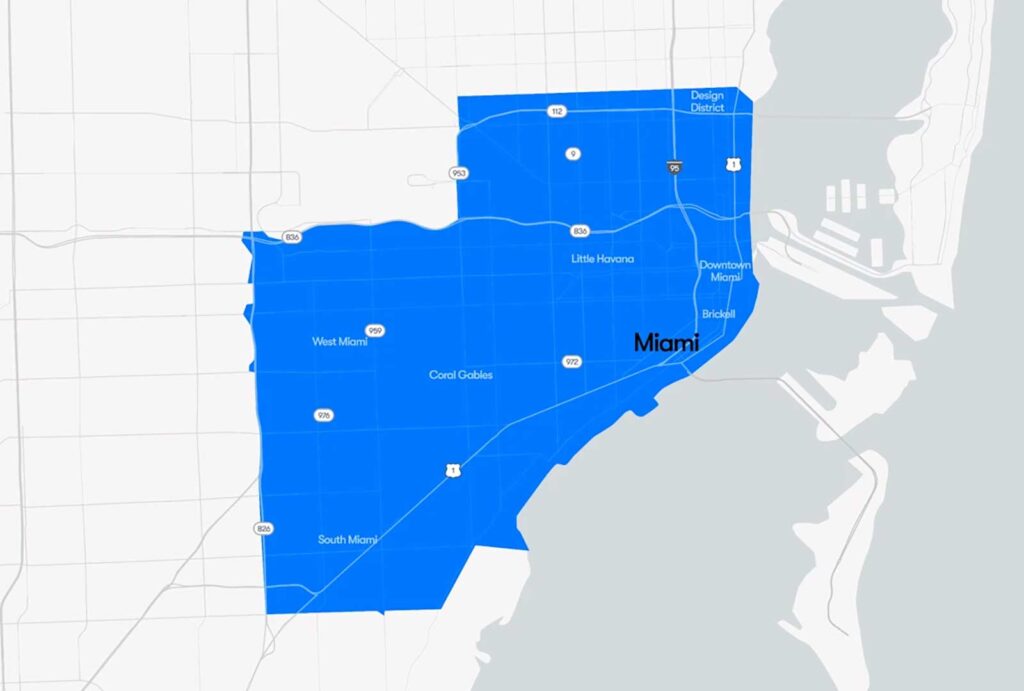
Waymo in Miami: Limited Cars, Limited Infrastructure, Limited Service Area
Waymo launched limited commercial robotaxi service in Miami covering 60 square miles but excluding key destinations like beaches and airport due to infrastructure constraints. Separately, UAE is emerging as an AV hotspot driven by concentrated tourism demand and deliberate infrastructure-first strategy.
Read Analysis →

January 18, 2026
If You Can Make It Here, You Can Make It Anywhere, Or At Least, that is How the Song Goes
Waymo's planned Australia expansion marks its shift to a global business across four countries in 2026, while geopolitical dynamics increasingly shape autonomous vehicle deployment strategies. New York City's exclusion from NY state's AV pilot highlights political barriers superseding economic rationale, blocking access to 60% of state GDP.
Read Analysis →
January 11, 2026
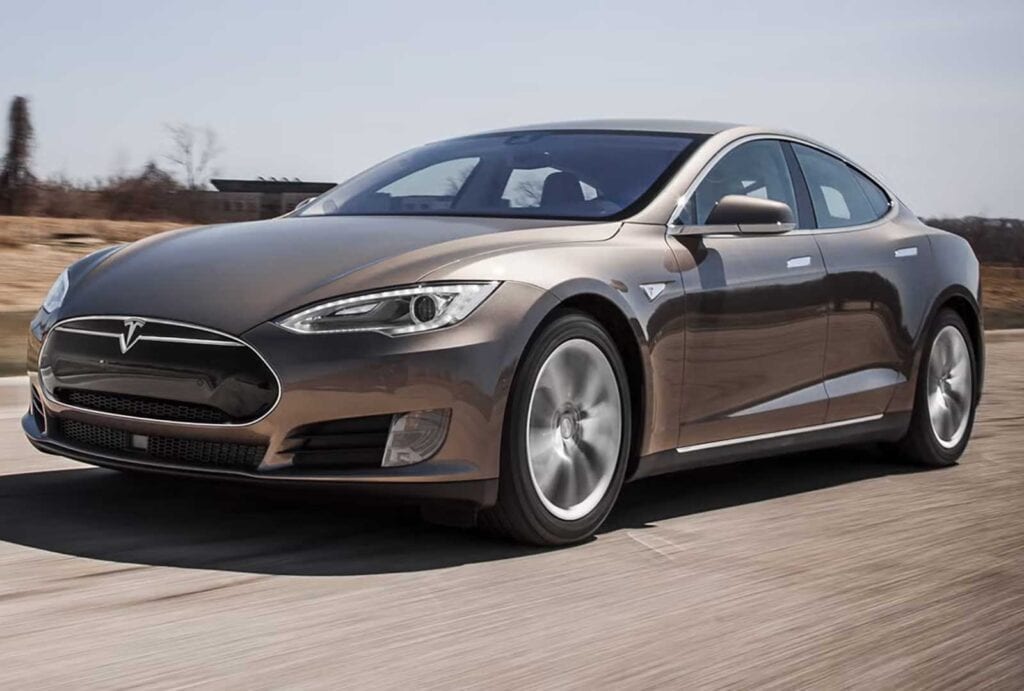
From Critics to Clones: Tesla Autonomously Drove the Future
Tesla's 7 billion FSD miles have validated its vision-based autonomy approach, with Musk targeting 10 billion miles by mid-2026 for unsupervised operation. The Lucid-Uber-Nuro partnership challenges Waymo with a vertically integrated, purpose-built robotaxi platform. Consolidation is expected across the robotaxi sector in 2026.
Read Analysis →
January 4, 2026
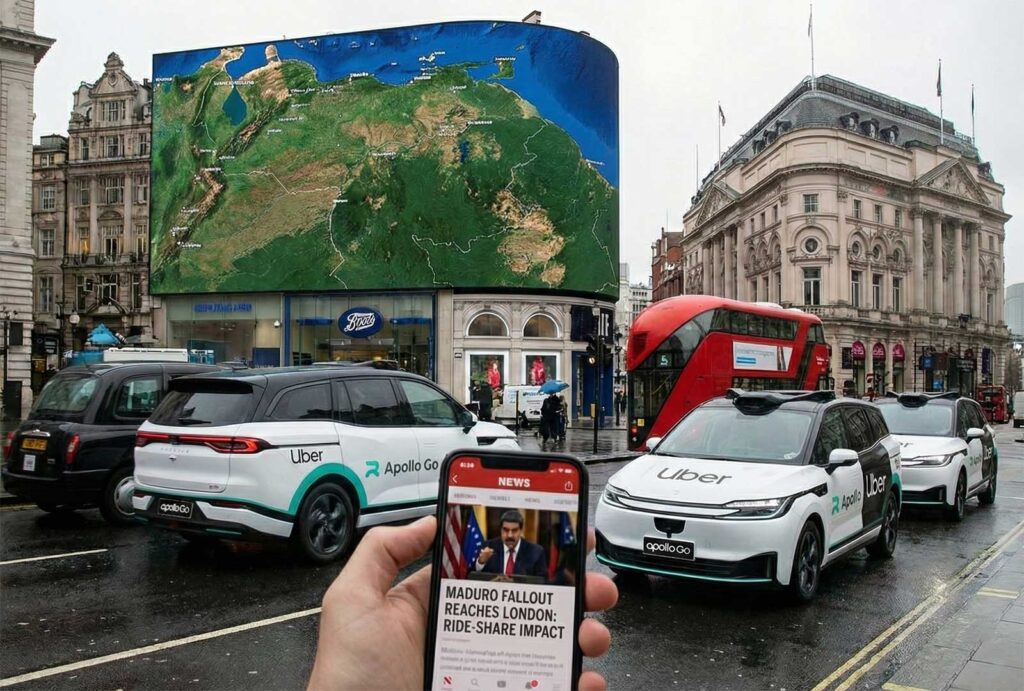
The End of Geopolitical Arbitrage: Why Uber and Lyft Can No Longer Straddle the Divide
Collapsing oil subsidies from Venezuela and Iran are eliminating China's cost advantage in autonomous vehicle development and deployment. The "London Loophole"—using UK operations to deploy Chinese AV tech while avoiding US scrutiny—is closing as regulators focus on technology origin regardless of deployment location. Uber and Lyft face pressure as their Chinese tech partnerships become geopolitical liabilities.
Read Analysis →

December 28, 2025
China’s Autonomous Belt and Road Initiative
China is restricting domestic advanced driver-assist systems after fatal crashes while aggressively exporting robotaxi technology globally through state-backed companies like Baidu and Pony.ai. This "Autonomous Belt and Road Initiative" aims to capture international market share and control future mobility operating systems before potential regulatory backlash.
Read Analysis →
The Future is Bright. The Future is Autonomous. The Future is The Autonomy Economy.