
This Week in The Autonomy Economy™
From Critics to Clones: Tesla Autonomously Drove the Future
From Critics to Clones: Tesla Autonomously Drove the Future
This Week in the Autonomy Economy, humanoid robots and autonomy were the talk of CES in Las Vegas, Tesla’s approach to self-driving was further validated by the market, and Baidu officially went driver-out in Dubai.
We are only eleven days into 2026, but the deal-making is already heating up. First came the flurry of partnership announcements at CES, next we expect a wave of M&A announcements as consolidation in the robotaxi sector looms on the horizon.
We predict that 2026 will be the year of consolidation in the robotaxi/autonomous vehicle sector, as the industry matures into a business. Now the questions become, who is for sale and who are the buyers?
We have our theories, but for now, those ideas are locked in a safe. However, we’ll give you a hint, pay close attention to the activities occurring below the line. As you search there, we will continue on the long, strange trip that is the road to autonomy. Thanks for the memories, Bobby Weir!
📰 Need to Know: This Week in the Autonomy Economy
Has Tesla finally “solved” unsupervised driving with 7 billion miles?
Not quite, but the market is responding as if the “Great Unlock” is imminent. While Tesla has logged over 7 billion miles on FSD (Supervised), Elon Musk recently updated the target to 10 billion miles to account for the “super long tail” of real-world complexity. At the current growth rate, Tesla is projected to hit this milestone by mid-2026, potentially paving the way for the first truly unsupervised consumer rides.
Can the “Lucid-Uber-Nuro” partnership actually challenge Waymo?
The partnership between Lucid, Uber, and Nuro has emerged as the most significant alliance of CES 2026, signaling a direct challenge to Waymo’s long-standing market dominance. By combining the high-performance engineering of the Lucid Gravity platform with Nuro’s Level 4 Driver software, the trio has created a purpose-built robotaxi designed specifically for the Uber network.
This vertically integrated approach moves Uber beyond its role as a mere marketplace for third-party autonomous fleets, allowing the company to control the entire passenger experience, from the interactive in-cabin displays to the exterior “halo” lighting used for rider identification. With plans to scale to over 20,000 vehicles and operations already ramping up in the San Francisco Bay Area, this alliance represents a shift toward the “Uber-owned” autonomy model that many analysts believed had been abandoned years ago.
How is the industry addressing the “Long Tail” of driving edge cases?
NVIDIA just shifted the landscape by open-sourcing Alpamayo, a new ecosystem featuring “reasoning-based” AI models. Unlike previous systems that relied on simple pattern matching, Alpamayo uses human-like logic to navigate rare scenarios (such as a police officer using hand signals). This move aims to standardize the “brain” of autonomous vehicles, allowing smaller players to compete with industry giants.
Is the robotaxi market going global or staying local?
It is officially going global. Baidu (Apollo Go) made history this week by securing the first driver-out permit in Dubai. This marks the first time a fully autonomous, fleet-scale operation has been authorized outside of China or the U.S. Baidu plans to have a commercial service active in the UAE by the end of Q1 2026, with a target of 1,000 vehicles in the region.
What is the “next wave” of the autonomy economy in 2026?
As the industry matures into a formal business, the “long, strange trip” of independent startups is ending. Experts predict a wave of acquisitions as the “buyers” (big tech and traditional OEMs) swallow up the “sellers” (distressed sensor startups and niche software firms). The focus has shifted from “can it drive?” to “can it scale and make a profit?”
What’s Moving the Markets
From Critics to Clones: Tesla Autonomously Drove the Future
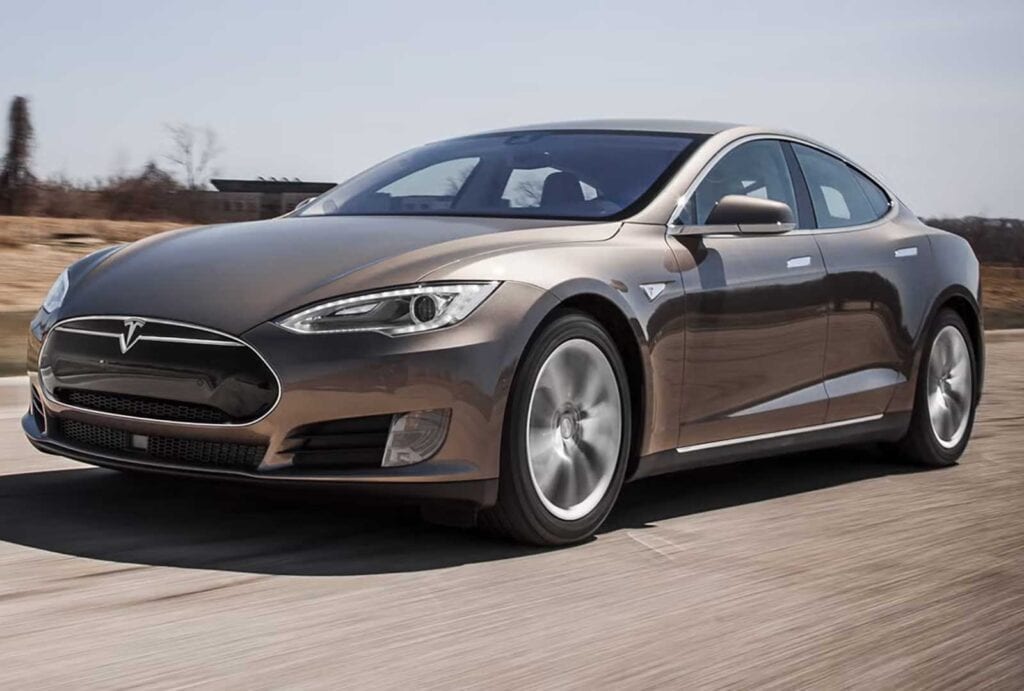
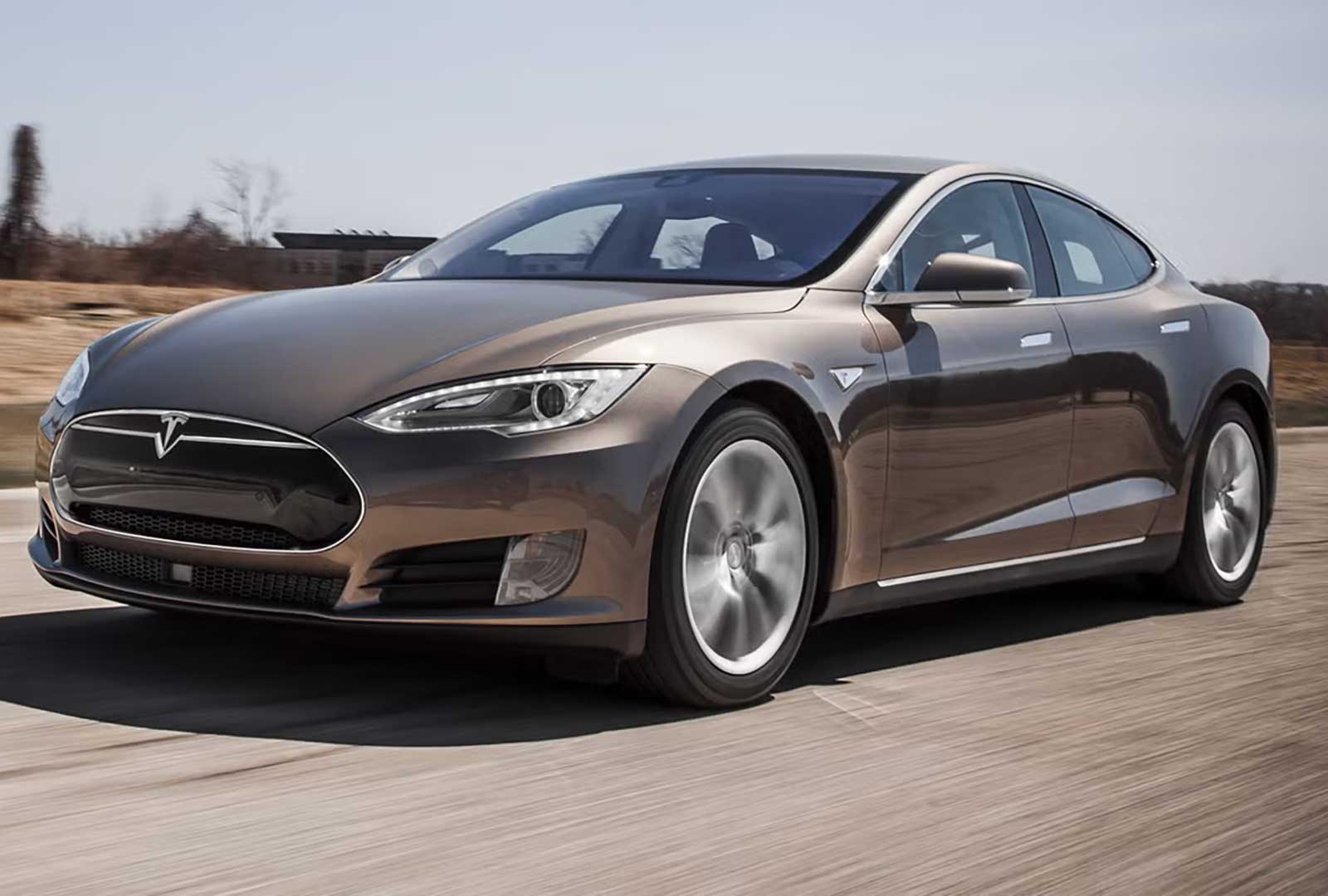
Ten years ago, Tesla released software version 7.0, officially adding Autopilot to the Model S with Autosteer and Auto Lane Change. The consensus at the time was clear. Tesla had gone too far.
Wired called it “amazingly scary,” Consumer Reports demanded Tesla disable the features, and safety advocates predicted disaster. Mobileye Founder & CEO Amnon Shashua publicly stated that Tesla was “pushing the envelope in terms of safety.”
But were they? Looking back, one could argue Tesla was indeed pushing the envelope, but history suggests that is exactly what pioneers must do. On September 17, 1908 at Fort Myer, Virginia, Lieutenant Thomas Selfridge became the first person killed in an airplane crash, with none other than Orville Wright at the controls.
Just three days earlier, President Theodore Roosevelt had announced his intent to fly with Wright on an upcoming demonstration. Had Roosevelt been in that seat, the 20th century might have stayed on the ground. History doesn’t reward the cautious; it rewards those willing to take off before the runway is finished.
For Tesla, that take-off was powered by applying the same logic to the car that Apple applied to the phone. Build a software-defined platform that constantly evolves and updates with new features, rather than ages into irrelevance.
Tesla’s approach to building a car enabled the company to push regular updates to the car through over-the-air updates that unlocked new features, improved performance and enhanced safety. No more dreaded trips to the dealer for simple fixes or updates.
In 2015, when Tesla first unlocked over-the-air updates for autonomous driving, the idea that a car’s fundamental driving behavior could be altered overnight was considered a safety risk. Eleven years later, competitors are still playing catch up as Tesla pushes out regular updates to Full-Self Driving Supervised (FSD), with each update making the driving or in this case the ride experience better and better.
Every mile driven on FSD gets Tesla closer and closer to their magic 10 billion number which Elon Musk has projected to be the great unlock enabling FSD Unsupervised. To date, Tesla has logged over 7 billion miles on FSD, creating a vast library of real-world edge cases that simulation can not fully replicate.
A decade later, the very companies that once sounded the alarm are racing to replicate this blueprint and copy Tesla. The “scary” experiments of 2015 have become the industry standard of 2026. Why? The answer is simple, consumer demand.
Mercedes-Benz is launching a system similar to Tesla in the U.S. this year, but with 30 sensors as both GM and Ford are preparing to offer their own versions of FSD in the coming years. But is this too little too late?
Is this what would have happened if flight was grounded after the Selfridge crash? Would we be a decade behind, two, three or even further? What would the world look like then? Would we even be a global economy and would have Nixon ever gone to China?
Just as the early tragedies of flight eventually gave way to the safest form of travel in human history. The traditional automotive industry is starting to come around to the fact that in order to build the future you have to be the pioneer who was brave enough to start the engine.
Our Take: Ladies and gentlemen, start your engines. It’s time to build the future.
Piquing Our Interest
Waymo’s Zeekr is Now Ojai, But We Are Not Fooled Waymo has cleverly rebranded their Chinese-made Zeekr robotaxi as Ojai. New name, but the same manufacturer, and same geopolitical issues. As we have stated since the beginning, this is Waymo’s biggest unforced error to date.
Lucid, Uber and Nuro Unveil Robotaxi The robotaxi looks good and it was extremely well engineered. When the vehicle enters the market, it will have a significant positive impact on Uber’s robotaxi business depending on how it is rolled out. If Uber were to create a dedicated Lucid/Nuro tier, Waymo could face real competition in the markets where they will eventually compete.
Autonomy Goes To D.C. Once Again Next week, on January 13th, the U.S. House of Representatives will hold a hearing addressing U.S. leadership and how America can maintain its edge in the race to develop and commercialize autonomous vehicles.
NVIDIA Unveils Alpamayo, an Open-Source Autonomous Driving Ecosystem NVIDIA has unveiled Alpamayo, an open-source ecosystem featuring AI reasoning models, simulation tools, and datasets designed to help autonomous vehicles master complex “long-tail” driving scenarios through humanlike judgment.
Mercedes-Benz MB.DRIVE ASSIST PRO Coming to America After launching in China last year, MB.DRIVE ASSIST PRO is coming to the U.S. later this year. The system features an array of 30 sensors, including 10 cameras, five radars, and 12 ultrasonic sensors. Upon its release, the service will be priced at $3,950 for a three-year term, translating to roughly $109 per month.
Ford Aims to Go Eyes-Off in 2028 Don’t call it a comeback, but Ford appears to have autonomy envy, as the company is planning to offer an SAE Level 3 eyes-off ADAS system by 2028. Is L4 next?
Kodiak Partners with Bosch to Scale Autonomous Trucks As part of their partnership, Bosch and Kodiak are co-developing redundant platforms designed to transform semi-trucks into autonomous trucks, regardless of the manufacturer. This collaboration could be the major catalyst for scaling autonomous trucking, globally.
ZF and Qualcomm are Collaborating to Scale SAE Level 3 ADAS ZF and Qualcomm are collaborating to integrate the Snapdragon Ride Platform with the ZF ProAI supercomputer to deliver a scalable SAE Level 3 ADAS system.
Hyundai Mobis and Qualcomm to Co-Develop SDV and ADAS Solutions Hyundai Mobis and Qualcomm are partnering on SDV and ADAS solutions for emerging markets, targeting India for their initial rollout.
Xpeng to Commence On-Road Testing for Vision-Only Autonomous Vehicles The testing announcement comes as the company prepares to launch three robotaxi models in China this year, all powered by their in-house Turing AI chips.
Baidu Secures Driver-Out Permit in Dubai Baidu has been granted the first-ever permit to conduct fully autonomous vehicle trials on designated roads in Dubai, with plans to launch commercial service by the end of Q1 2026.
📰 Before these stories were featured here, they were available on X. Follow @RoadToAutonomy today to stay up-to-date on the latest news and developments shaping the autonomy economy.
Social Buzz
10 Billion Miles, Is That What it Takes?
Is 10 billion miles the key to unlocking unsupervised Full Self-Driving? Elon Musk thinks so. According to a recent report from UBS, Tesla has already amassed roughly 7 billion miles. If 10 billion is the number, now the question becomes how soon will Tesla hit that 10-billion-mile milestone and will that be the great unlock?
Our take: It’s only a matter of time until Tesla unlocks unsupervised Full Self-Driving.
Tesla is currently ranked #1 with a bullish outlook on the AUTONOMY LEADERBOARD in the personally owned autonomous vehicles category.
Latest The Autonomy Markets Podcast
CES 2026: The Autonomy Narrative Just Changed
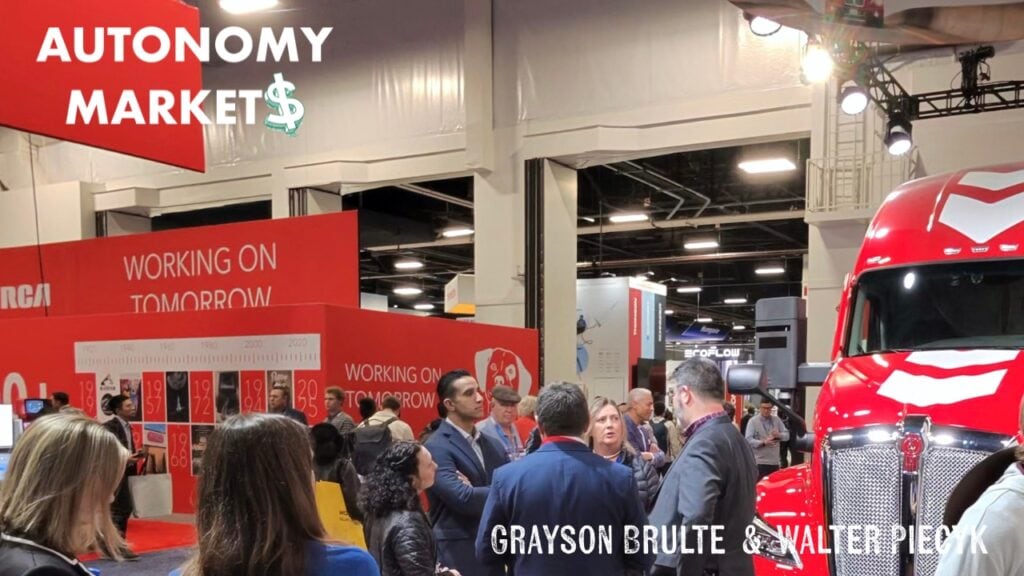
This week on Autonomy Markets, Grayson Brulte and Walter Piecyk discuss CES 2026, Zoox’s performance on the Las Vegas Strip and Uber’s potential long-term autonomy plans.
Watch on YouTube | Spotify | X
Listen on Apple Podcasts
January 10, 2025
Subscribe — Insights and Analysis, Every Sunday
Join institutional investors and industry leaders who receive our exclusive market intelligence and analysis every Sunday, complementary.
No spam. Unsubscribe anytime.