


Tesla’s Dedicated Superchargers Signal the Real Strategy as Robotaxi Scale Delayed
Executive Summary
Grayson Brulte and Walter Piecyk discuss the realities of autonomous trucking with Kodiak and Atlas Energy Solutions operating in the harsh environment of the Permian Basin, Tesla’s rollout of unsupervised robotaxis and the discovery of dedicated charging depots in Arizona. Furthermore, they question Zoox’s transparency regarding their testing locations, and break down the defensive tone of Mobileye’s latest earnings call amidst growing competition from NVIDIA and Level 2+ systems.
Key Autonomy Markets Episode Questions Answered
Why is Kodiak partnering with Atlas Energy Solutions in the Permian Basin?
Atlas Energy Solutions relies on an autonomous trucking partnership with Kodiak to scale their operations due to severe driver shortages in the highly hostile, hot, and isolated environment of the Permian Basin.
What do recent permit filings reveal about Tesla’s robotaxi infrastructure plans?
Recent permit filings discovered by AUTNMY AI’s proprietary priority omega algorithm show that Tesla has applied for 56 not for public use”Version 4 Superchargers in Chandler, Arizona, alongside a second private charging depot in Mesa, indicating preparations for dedicated commercial robotaxi infrastructure.
Why does Level 3 (L3) autonomy faces significant roadblocks?
Level 3 autonomy poses massive liability challenges. Taking a nap and then suddenly having to regain control of a vehicle while groggy creates a difficult insurance landscape, which is why most companies are pushing L2+ or aiming straight for L4.
Autonomy Markets Topics & Timestamps
[00:00] Permian Basin Field Work: Kodiak & Atlas Energy Solutions
Grayson shares his experience doing fieldwork in the hostile, gravelly environment of the Permian Basin. He observed Kodiak’s autonomous trucks operating seamlessly without safety attendants for Atlas Energy Solutions, a partnership driven by the severe shortage of human drivers willing to work in such isolated and harsh conditions.
[08:51] Tesla Launches Unsupervised Robotaxi in Dallas and Houston
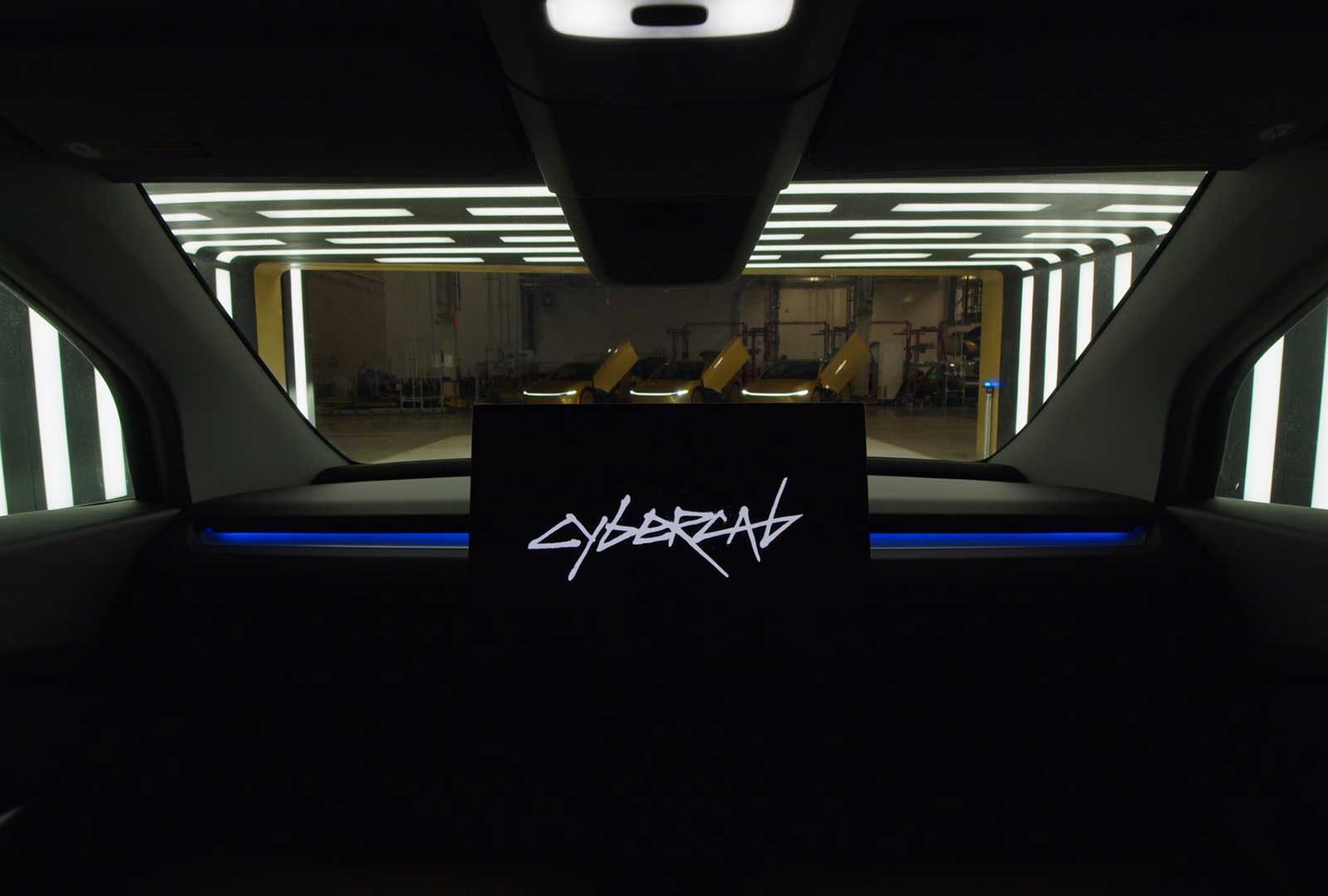
Grayson and Walt discuss Tesla’s move to test unsupervised, attendant-out robotaxi operations in Dallas and Houston. They analyze what this means for Tesla’s near-term scaling targets and note that Cybercabs are already coming off the production line at Giga Austin.
[13:16] Tesla’s Dedicated Robotaxi Superchargers in Arizona
Utilizing AUTNMY AI‘s proprietary OMEGA algorithm, Grayson uncovered permit filings for 56 not for public use Version 4 Superchargers in Chandler, Arizona, and a second private charging depot in Mesa. This signals that Tesla is preparing dedicated charging infrastructure to support a large-scale robotaxi rollout in the Phoenix metropolitan region.
[15:38] AUTNMY AI
A brief promotional segment for AUTNMY AI, a tool designed to decode market signals in the autonomy economy before they become mainstream headlines. The segment is followed by lighthearted banter about Grayson’s wife inspiring the commercial’s voiceover.
[16:45] Avride’s 200 Vehicles
Walt and Grayson evaluate Avride’s claim of having 200 vehicles operating in Dallas and Austin. They clarify that these are not fully commercial, driverless robotaxis, but rather human-driven testing or employee vehicles used for gathering data and solving edge cases.
[19:19] A Tale of Two SPACs, PlusAI & Einride
Grayson and Walt discuss recent financial movements in the autonomy market, noting that PlusAI had their SPAC pulled. Meanwhile, Einride announced a new SPAC deal, though Grayson notes there are still lingering questions regarding how much of Einride’s business is focused on electrification versus true autonomy.
[20:45] Zoox Expands Testing to Miami and Las Vegas Airport
Grayson expresses frustration over Zoox’s lack of transparency regarding the specific details and pickup locations of their expanded testing in Miami and at the Las Vegas airport. They also discuss a recent incident where Zoox banned a prominent autonomous vehicle enthusiast for recording a ride.
[23:55] Mobileye Goes on Autonomy Defense
An analysis of Mobileye’s latest earnings call, where the company took a noticeably defensive tone regarding their VW partnership and the competitive threat posed by Nvidia. The hosts also discuss why they believe Level 3 (L3) autonomy will fail to materialize due to complex insurance liabilities, favoring L2+ and L4 systems instead.
[32:22] Foreign Autonomy Desk
A review of international developments, highlighting Huawei’s massive $11.7 billion commitment to accelerate autonomous driving programs in China. Additionally, they cover Pony.ai’s ambitious plan to deploy over 3,000 robotaxis globally by the end of 2026, with more than half designated for markets outside mainland China.
[34:24] Next Week
Walt and Grayson preview the upcoming week’s earnings reports, looking out for updates from Apple, Amazon (regarding Zoox), Google (regarding Waymo), and potential developments with Qualcomm’s Snapdragon architecture.
Full Episode Transcript
Permian Basin Field Work: Kodiak & Atlas Energy Solutions
Grayson Brulte: Walt. This week I headed out to the Permian Basin doing field work while I was out in the Permian Basin. No service until I got to a starlink location. Thanks Elon for that. It worked really well. Well, what does Tesla do? They go unsupervised in Dallas. They go unsupervised in Houston. Well, they do that. What happens? AV ride puts up a post on X, we’ve got 200 vehicles. And then on the Mobileye earnings call, what you listening to? There were some interesting commentary with quite a few, I’ll use the term interesting quotes there. How do you wanna start? How do you wanna break it down? ’cause there’s a lot to uncover this week.
Walter Piecyk: let’s start in the Permian Basin. You know, only on the road to autonomy and autonomy markets do we hit the road constantly reporting direct from the field on what we’re learning about the autonomy. And I apologize to our listeners for what might be a gravelly production today.
Grayson Brulte: Graveley Productions is a great segue. Well, you must be taking acting classes at Julliard for this one ’cause that was a great segue there. The Permian Basin is a hostile environment. The roads are gravely. They’ve got potholes the size of Cadillacs, and it is a hostile environment to operate autonomous trucks. And when I was there, Kodiak was very kind to host me, to take me to meet their partner. Atlas Energy Solutions and it was a cool Walt. I got to see the Dune Express. It is a 40 mile fully autonomous sand conveyor belt that goes across two states, Texas and New Mexico. Really cool there, and I got to go inspect Kodiak’s depots. I got to see the trucks running Autonom. No safety attendant in the trucks, no safety engineer on these roads where you can’t even put your arms out. The vehicles run so close. Really, really impressive operation. And when you’re there watching autonomous trucks operate in this hostile environment, you come away with a new appreciation for what Kodiak’s truly building.
Walter Piecyk: Did you see any Aurora trucks when you were out there in the Permian Basin? Grayson?
Grayson Brulte: Did not see any Aurora trucks. What I did see, which was interesting, and then this is a term used in the Permian Basin. This is not a derogatory term, mercenary trucks, because of the recession in freight, you’re getting individuals, humans that are going into the Permian and they are taking their traditional over the road trucks and driving ’em, like you say. And just destroying their trucks. That was really interesting to see. But no, I did not see any Aurora trucks at the wellhead at the sites. I did not see anything. I know the Permian’s vast, so I don’t wanna say that I was in the location. They’re deployed, but I did not see any in the locations that I was in across multiple states.
Walter Piecyk: Did you see Billy Bob Thornton or any Taylor Sheridan Bunkhouses when you were in the Permian Basin.
Grayson Brulte: Unfortunately, I have some bad news on this one. I had to ask everybody. I go in there, how’s Billy Bob? What’s it like, sir, that’s all fake. And boy, the landmen that work out there told me how fake and inaccurate the story is. But my good friend Dan Goff from Kodiak did spend the night at a man camp. You have to ask him about that experience. I’m not gonna give the story away. He stayed in a man camp. Myself and Pete Bigelow famously known for the Bigelow battle. We stayed in a hotel, but Dan Goff stayed in a man camp, so you have to ask him that story.
Walter Piecyk: So give us a sense of why Kodiak is important for Atlas in this setting and like what the mix was of their trucks versus seeing human driven trucks. And did you have any conversations? Of the human truck drivers on what they thought about seeing these driverless Kodiak trucks in that setting.
Grayson Brulte: The reason the primary reason why Kodiaks. Operating there. A lot of credit goes to Atlas Energy Solutions leader. The leadership team at Atlas Energy Solutions is absolutely fantastic of how they think about this, and we need to put this into perspective here for the audience. When you leave Midland, Texas, the last stop is Permian High School. Why do I highlight Permian High School? That is the real home of Friday Night Lights, the 1988 book that became a famous movie. So after you go by Friday Night Lights, you’re going an hour and a half hour, 45 minutes to Kermit, Texas. When, why am I bringing that up? That’s the home where Roy Orbison was born. And then you’re going another two plus hours to get out to the oil fields, to the patch. So you’re doing long distances. These roads are very narrow, they’re very dark, and unfortunately the nickname is Death Highway. When you’re going out to the Permian and I, a lot of credit goes to Pete Bigelow for this. You see roadside memorial after roadside memorial after roadside memorial and after these individuals are working 16 hours and not staying in a man camp and coming back into some sort of civilization. Unfortunately, there is a lot of head on collisions. And so that was really sad to see. And getting back to Atlas and wine, the work environment’s hostile. Getting individuals to get out there is very difficult. The average shifts are two weeks on, one week off in the patch, and in order for Atlas to scale their business, they have to automate. That’s why they built a Dune Express. That’s why they partnered with Kodiak because they cannot get drivers. There is a fundamental lack of drivers or individuals that want to work in this hostile environment, and it is hot, it’s windy, it’s dusty, and there’s nothing around you can’t go to the movies. There’s nothing to do.
Walter Piecyk: It might be one of things too to do, but I’m just to be clear, I called it a bunkhouse, not a man camp. Although every time you say man camp, I think it’s kind of funny. So maybe that’s for our listeners. Anytime Grayson says man camp, you do a shot at tequila. Start the podcast over and hit a shot of tequila every man camp reference. Should we move on?
Grayson Brulte: No, prepare to get drunk on this one. So I thought this was a joke about man camps. I landed at the Midland Airport and there is a sign, upgrade your man camp for $50 to stay in a non, bring your own sheets. There’s bring your own beer, but then there’s bring your own sheets to man camp. You have to bring your own sheets. So there you go, man camp. Man camp, man camp. Take a shot. Take a shot, take a shot. But all without digressing, saw dozens of vehicles. Got to inspect the Kodiak Depot and got to see how Atlas is scaling this operation. And for the audience, just for clarification, Kodiak does not own these assets. They do not operate these assets. They’re owned and maintained by Atlas Energy Solutions and the vehicles, the whole mixed fleet. You’re starting to get to an inflection point, which I believe at some point in the near future they will go fully autonomous. Every vehicle there that Atlas is operating at that head. It was really, truly remarkable to see what they’re doing.
Walter Piecyk: Last time I was at Kodiak, they were talking about expanding some of the functionality in terms of like, you know, the car or the truck pulling in to have the sand drop versus maybe a handoff to a human. And then moving locations. How are they at progressing to that, to expand that opportunity for them with Atlas.
Grayson Brulte: So it was really kind. Don Leopard, who runs operations for Kodiak, took me there. So right now the truck comes, it comes down this hill. And it goes into a dedicated lane. A human takes over and then it goes manually under to get filled up with the sand and then it goes back to a launchpad. They are, according to Don Leopard, not Don Burnette, hi Don. Leopard and Burnette. They are, I would say, this is my assumption by the end of the year, if not sooner, because Atlas has approved it for the technology to go so. I think it’s just a matter of time from what I saw and what they explained to me and the way it’s working because it’s all automated now for the whole system. So I would say by the end of the year, it’s probably gonna be sooner, but that’s just what I’ll say.
Walter Piecyk: Hopefully they flatten out these, I guess you would call ’em sand holes. I don’t know. At least it’s not really a pothole. Right. But sand holes so that as it’s approaching the drop point that the truck’s not wobbling or hitting one of those massive is it a pothole? Like what are they calling there?
Grayson Brulte: I call it a manhole, not to be confused with a man camp, but drink again. When you’re going to get filled up with sand, that is some of the only permanent infrastructure because that’s where the sand dune express ends. That is paved. That’s a grade operating just like you’re over the road. It’s when you come out of there, up the hill is when you hit the holes.
Tesla Launches Unsupervised Robotaxi in Dallas and Houston
Walter Piecyk: Okay, let’s move on. What else do we have this week?
Grayson Brulte: Tesla. Tesla’s operating on roads without holes, at least big holes. They went driver out in Dallas, in Houston and the, it’s funny you see all these headlines. Oh, Tesla launched this, then shuts down, and our good friend David Moss, friend of the show, he put on his inspector hat. He went out there and did inspections. They’re operating, they’re scaling. What do you make of Tesla bringing on two markets this week of unsupervised robotaxi.
Walter Piecyk: Yeah. I mean, I was surprised and I was surprised by them, you know, basically just going attendant out, but. We’ll say, I don’t know if this is the new standard. It’s certainly possible we’re not talking about a ton of cars, right. Obviously a handful of cars. But this could be the new standard where they don’t even bother putting that safety attendant in as they launch new markets.
Grayson Brulte: How many vehicles would you expect to see over the markets as they go?
Walter Piecyk: the original plan Grayson was 12 markets by June 30th, I think, on this earnings call that, you know, there’s been kind of a change on that. So you’re probably gonna see some slippage on that as they go under development. There’s probably another five markets that are queued up shortly. Again, I would expect a handful of rides or like we’ve seen in Austin and obviously early Houston and Dallas. Then at some point as they address some of these edge cases and safety, all of these markets will, I think, probably ramp at the same time. But I think the 12 markets by June 30th, probably not gonna hit that milestone. That’ll probably slip into the third quarter.
Grayson Brulte: I agree with the slippage. I view it as a positive signal, a positive step, but as you clearly said, it’s not at scale yet. But Tesla is clearly preparing for scale because the line that you and I toured at Giga Austin. Cybercab started coming off the line, so they’re clearly getting ready to scale into multiple markets.
Walter Piecyk: You know when we did that tour and we sat in front of that thing, which you can see in the video on the Tesla Twitter account where there’s light, it’s going through these where it’s lights, it’s actually getting checked there. I was like, is this really, is this like basically where you take people to show off Giga Texas or is this really where the cars come? And sure enough, like they lit and at the time they told us, yes, this is where they come out. And yes, in April they’re gonna come off the production line and sure enough they show the video in that exact location where we were standing, where we sat in that car and checked out the wireless charging and everything else to see it. So that was kind of fun to see that. The other thing obviously that we saw there. Is the space where the additional cyber cab lines are going. And I think that’s an important point that you talk about. Obviously these cyber cabs do not have steering wheels. Right? So this is specifically for Robotaxis. So they’re kind of plowing forward here. I mean, I asked about the 25 billion of CapEx, which is higher than the 20 billion of CapEx. Not shocking given the state of AI. I think it’s probably gonna go even higher in future years. ’cause there’s not a big chunk of that investment that is the capitalization of these cyber cabs. They know that’s gonna take ’em time. They’ll ramp this production, we’re gonna add that additional line where we saw the space for, they’ll get the additional equipment, there’ll be another line of cyber cab there and they’ll be cranking these things out. So to me, like that 20, 25 million of CapEx is probably going up next year. And the same thing on the AI side of things. Like you think they’re gonna spend less on compute next year, like that seems. Given how I’m using Claude now more than ever, that seems hard to believe. So that’ll be pretty capital intensive on that side of the business. But to get it back to cyber cab, yeah, it’s ramping and it was great to see video and see these things come off the line. And frankly, I think we’re gonna see them on the streets pretty soon.
Grayson Brulte: I agree with that, and over time, when we were there at Giga, we discussed this over dinner that Tesla’s manufacturing could become a competitive advantage over time because as we saw, they have a very stern culture focus on cost, and that could become a huge competitive advantage. The thing that I still can’t wrap my head around. How they allow that individual to fly the drones over Giga, Texas all the time. That I can’t figure out, but I do have a clear understanding that they want to cut costs and scale.
Tesla’s Dedicated Robotaxi Superchargers in Arizona
Walter Piecyk: So Grayson, I think you put your inspector hat on again this week and you’ve found something that I think is very interesting. And while I was back in Pennsylvania this week charging at one of my favorite Tesla charging stations. ’cause there’s a Chinese restaurant there that makes exceptional peking duck. But we’ve asked about like, they have all these superchargers everywhere. Will they convert them? And I think you’ve identified that well, rather than converting ’em, it looks like they’re doing new purpose built Superchargers, what did you find?
Grayson Brulte: Was able to uncover some permit filings using the proprietary AI algorithm I wrote for AUTNMY AI is that Tesla has filed for 56 pre permits for version four Superchargers in Chandler, Arizona, which will all, and they’re very clearly marked not for public use in the permit, which signals to me that Tesla is getting ready to build dedicated robotaxi charging infrastructure. One of our first trips to Austin, you and I discussed, oh, they’re gonna use public charging. Based on that filing. It appears that they’re gonna create dedicated charging, but it’s not just that filing that we uncovered. It was also a filing for Mesa Arizona for a second private charging depot. We do not have an exact number on the number of chargers. Interesting to note that they’re in different ones in the north, ones in the south and they are to the east of downtown Phoenix, this clearly says Tesla’s getting ready to make the Phoenix Metropolitan Region a big market using dedicated infrastructure as Tesla expands to new markets or ramps up Dallas or ramps up Austin. We’re gonna have to go look for filings to see if Tesla gets in the depot game. All signs point to it, but we’re gonna have to continue to watch those filings.
Walter Piecyk: 56 is a crazy number of stalls. If it’s in fact for one location. I don’t know if that’s true. I guess it’s at an industrial lot, so possibly. Yeah, I mean it’s kind of amazing. So I guess I’ll give you a little, my own clappy hat for your AI engine. Maybe this is where you should insert one of those advertisements that you do with that great movie phone voice. Welcome to Road to Autonomy AI. That was a great find.
AUTNMY AI
AUTNMY AI: Billions and soon trillions in value will be created in the autonomy economy. By the time a trend becomes consensus, the alpha is already gone. The gap between uncovering signals and reading headlines is widening fast. When it’s a headline, it’s no longer a signal. Enter AUTNMY AI, we decode signals before they move markets, giving you the edge while everyone else tries to decipher the autonomy economy. AUTNMY AI, your models, our intelligence. Visit AUTNMY.ai
Grayson Brulte: thanks, Walt. Here goes the Walt Clappy hat segment. It seems that every time there is a segment, and I have to credit my wife for the voice. My wife was the inspiration of design the voice. So my wife was the designer for the voice. I gotta give her credit there.
Walter Piecyk: So is your wife the inspiration for the voice ’cause she has a deep movie phone voice or she.
Grayson Brulte: Oh, Walt you’re a sneaky guy. No, she’s very well cultured. She’s very well cultured. This is not the Rocky Horror Picture Show. You’re sneaky.
Avride’s 200 Vehicles
Walter Piecyk: all right, let’s stay in Texas. Texas seems to be, when we’re talking autonomy, it’s hard to leave Texas ’cause that’s where it is open for business. Unlike New York, AV ride is boasting about 200 cars that they have on the road in Dallas and Austin, but I put my inspector hat on ’cause that obviously didn’t seem accurate based on what I experienced in Dallas. Or what I saw. But I think what they’re referring to, in this case, Grayson, is not the commercially available vehicles, but in fact like all of the vehicles. So like, the only thing I can think of is in one of our more recent trips, and there’s been multiple to Austin, when we saw all those Tesla employees at the Whataburger. Like these are cars that obviously people drive around to explore and figure out these edge cases that they need to solve before scaling up. So I mean, obviously it’s good for AV ride to talk about those cars, but let’s put the 200 cars in perspective.
Grayson Brulte: Put em in perspective. You need employees or contractors to drive them. So, and they’re not operating outside of the route that we went in Austin. They’re not operating a driver out. And the route that we went in Austin that time was an employee, guest visitor, wasn’t in commercial operations on the Whataburger. I gotta say. I saw one in the Permian Basin. So they’re all over Texas. Whata whata
Walter Piecyk: And just one follow up on Avride. Ex Yandex owned by Neibus, which is they’re recipient of a shit ton of chips. Sorry mom. You know, to do like a core weave type of application. You know, we met the team like the ride, but based on my experience in Dallas, I think it’s gonna be some more development time before they can get to the point of taking that driver out. I’m hopeful that by the end of the year that can happen. It definitely didn’t feel imminent. You know, and we’ve talked about this on the past podcast, again, part of the field work that we do here only on Autonomy Markets and The Road to Autonomy.
A Tale of Two SPACs, PlusAI & Einride
Grayson Brulte: And the field work is going to continue. ’cause that’s one of the things that Walt and myself pride ourselves on, is going out there experiencing the technology and asking questions. I’m okay asking questions. Walt’s great at asking questions and if you ever want to have a good time, not like that, but a good time. Go walk around CES with Walt. The gentleman is a master of asking questions and getting the hard truth that we bring to each and every week here on autonomy markets, which brings us to SPACs. We had two SPAC announcements this week. Well, one good, one bad. How do you wanna break ’em down?
Walter Piecyk: I mean, if this is like we’re gonna do SPAC quarter for one week, Plus got yanked. For whatever reason, you know, I’m sure they’ll come back. They have a business model, which I think I talked about last week, where they’re monetizing by basically selling the data. So that gives them some runway protection. But I’m sure they’re gonna be looking for either another SPAC or another way to hit the markets. And I think it’s called Einride. Is that the good pronunciation? Now they’re doing a spac, and this is primarily maybe electric trucking, but more specifically why we care autonomous trucking. So I haven’t really spent much time with them, have not gotten the truck. I’ve met one or two of their people at Fort Worth. So that was helpful. But one out, one in, and we will see what’s successful. The market seemed to be improving a little bit to enable something like this.
Grayson Brulte: see what happens, I think for Einride as they go through the process of D SPAC and become a public company looking for clarity on business lines of how much is electrification versus autonomous. ’cause there’s still a lot of questions in a company that we continue to have questions on. They can’t get answers, even though I write polite things.
Zoox Expands Testing to Miami and Las Vegas Airport
Grayson Brulte: On X to them is Zoox. Zoox announced their testing in Miami. So I get on my little computer machine and I go on X and I ask, where’s the service area in Miami for testing? Crickets. Crickets. Crickets. And then JJ Ricks the gentleman who you know, ride with JJ and Gentleman is a diehard Autonomous vehicle fan that puts the cameras in there. He was banned from the Zoox vehicles. Now he posted a video, he put a GoPro in the seal and they said it’s a safety hazard. They made him take it down. He went and visited the Zoox office on the YouTube video. He said it didn’t go well. He’s banned from Zoox ’cause he made a video. More questions
Walter Piecyk: and what’s crazy is because Zoox is owned by Amazon, there’s so much benefit of the doubt that I see when it’s talked about, especially as in relation to Uber, without some of this basic stuff that we’ve talked about in terms of how it operates in Vegas. So I don’t know. It’s fascinating. It’s also red flag ish when you try and learn more information about a company that’s developing a new technology, there’s no competitive intelligence. And they’re not the only one. There’s obviously other companies that we’ve been dealing with that are sometimes when things are going well, happy to show you stuff, and then when things are not going so well, a little bit harder to get that information doesn’t mean we’re gonna stop trying. And by the way, nor does it mean We’re not gonna talk about you.
Grayson Brulte: We’re gonna ask questions and I’m gonna head down to Miami to do field work to try and uncover where they’re operating and to see if the vehicles are having the same problems in Miami that they’re having. That’s been so well documented in Vegas. And Zoox also announced this weekend in a Zoox post that they are expanding testing to the Las Vegas airport. We don’t know where in the airport. We don’t know where the pickups are gonna be. This goes back to a thing that I’ve harp on a lot, and I’m not gonna stop harping on it. Details matter, blog posts and press releases are great, but details matter. And we have, again, very little details on the testing at the Las Vegas airport. Besides that, it is the toaster. Again, little details, details matter, and I’m not gonna stop harping.
Walter Piecyk: know how these YouTubers go around and whatever. Let’s say they were looking for children at a healthcare facility, they’re like knocking on the door, where is it? Maybe we should fly to the Las Vegas and just walk around to every terminal and every garage looking for where the zoox pickup is. Zoox are you here? We can interview like the people that are out helping with the baggage Zoox here? Have you seen a zoox here? And we’ll create this like 10 or 15 minute long video where we look at, actually Vegas is not even that big, right? I was thinking SFO. Vegas is pretty compact. It wouldn’t even be a 10 minute video. It shouldn’t be hard to find where these zoox are and then post it and say like, okay, prove us wrong. Where are the zoox?
Grayson Brulte: that’s not a bad idea. Zoox here. Zoox there. Zoox anywhere we could, instead of playing Where’s Waldo? We could play Where’s Zoox
Walter Piecyk: Where’s the zoox? We’ll get T-shirts. Where’s the zoox? We get hats shaped like the Zoox.
Mobileye Goes on Autonomy Defense
Walter Piecyk: All right, let’s move on to Mobileye. We didn’t talk about that yet. They had earnings. We’ve talked about Id Buzz and Grayson, you made a big deal about the fact that they were not mentioned in that press release. First of all, they’re talking about how their technology is integrated and it’s coming off the line with this ID buzz, so that’s assembly line. It’s not upfit that’s obviously very positive. It got a little bit more defensive when people were asking like, what is VW’s longer term strategy? And there was, they were basically insisting like everything that VW is doing is with us, got a little bit more contentious when people started asking about this level two market exists adas, right? But this opportunity for level three, there’s obviously a bit more concern on two fronts. One, companies that are kind of pulling back and like, look, it’s either robotaxi or it isn’t. Like there’s nothing, this private market for some of these potential partners don’t see any more materialized. They acknowledge maybe it’s going a little slower and they’re gonna phrase it as like the level two market is so opportunistic. So that’s huge. So then we got into the level two, and then people were asking, which we talked about in this podcast, what about Nvidia? Nvidia’s in there with Mercedes. So I’m gonna read what their response was when they were asked about their NVIDIA announcement, quote. At the end of the day, it’s a combination of performance and cost. If you refer to Alpha Mayo, we downloaded Alpha Mayo. It doesn’t seem like a production worthy assistant. It’s something nice to play with, but it’s not anywhere close to production worthy. An OEM can take it and upgrade or refine it for production worthy system is yet to be seen. So basically, I have to be careful ’cause again, mom’s listening, taking a shit on Nvidia, which by the way I don’t think is wrong necessarily. I think people overhyped what that Mercedes can do. I think it was, there was a Mercedes spotted somewhere recently, I think that you’d sent me earlier in the week. But I think people are overhyping. Where Nvidia is gonna get to, whether it’s a level two or a level four system. But clearly a lot of issues that Mobileye is dealing with in terms of can they retain VW throughout the stack? Is there a future opportunity to take their level two or they’re doing okay with to the next level, level three, level four, and then also the threat of Nvidia. What’s your overall takeaway from all this?
Grayson Brulte: I will say a term that Mrs. Piecyk will approve. So I’m not gonna get in trouble in this one. Mrs. Piecyk, I’ve listened to your orders, ma’am. It was a shot across the bow that’s the approved way to say it. See, I’m gonna get brownie points now.
Walter Piecyk: Thank you.
Grayson Brulte: It’s the approved way to say it to me, when you get contentious, you’re on defense. To me, the tone, there’s something more going on that you’re on that level of defense. What there is, I’m not gonna speculate all I’m saying, the tone to me sounds like there’s something more going on here and the fact that going back to the press releases. There was no mention of it and it came up on the call. We are not the only ones looking at this. Trying to figure it out and on the L two business wave is clearly going to be a threat if they’re not already a threat to Mobileye. Tesla is a threat ’cause this on their system and OEMs are developing in-house systems. So there’s threats there. And then on the call, they talked about L three. L three in my opinion, is never gonna happen for one reason and one reason only insurance. That’s why you’re noticing everything is being branded L two plus L two plus plus L two plus plus plus. Because when you’re calling it L two, it’s easier to underwrite it from an insurance liability perspective. ’cause the way that the SAE levels of automation are written, L three opens up a can of worms for liability. So in my opinion, L three is not going to happen and I will summarize it this way, Mobileye clearly appears to be on defense.
Walter Piecyk: I mean, first of all, I don’t disagree with anything you said, but I would phrase it this way in that like if there is L three or L four, meaning like taking a nap in your car, right? The business case, the willingness for people to put that into robotaxis, that will absorb a lot of that perspective volume in the near term. There is another business case, right, for personally owned, self-driven cars that obviously exists. It’s just a matter of when that’s gonna happen and who will be the leaders there and what OEMs will frankly will survive to be able to deliver that for personal ownership.
Grayson Brulte: I’ve said this on past episodes going back over a year now, actually a year to date last April. Toyota’s gonna be one of the most interesting companies to watch there. Maybe perhaps it’s the two Ts, Tesla and Toyota. Perhaps those are the two most important companies as we get to personally own, is something that we’re gonna have to wait and see and watch how the market unfold.
Walter Piecyk: Grayson, why can’t I get to like a Geofenced L three? Meaning that I’m in my Tesla, I’m on the Jersey Turnpike. And it knows I’m gonna be on there for the next 70 miles. If the light comes on, like, all right, you’re okay now you can take your nap, go to see, ’cause we’re on this straight thing and if something comes up it’ll just pull over. Right. Couldn’t that be a stop gap measure that would address these insurance concerns that you talked about?
Grayson Brulte: Tesla has the advantage, I believe, and again, they also have to fact check me on this, I believe it’s 17 or 18 states, that Tesla has an insurance license, that they’re actively selling insurance.
Walter Piecyk: Because it’s their own insurance, right?
Grayson Brulte: It’s their own insurance, their own cap, just they have the ability to do that. But outside of that, it’s the HMI, the human machine interface. The question is, if, let’s say you take a nap and you go
Walter Piecyk: Yeah. And you wake up and you’re groggy. I don’t snore.
Grayson Brulte: Oh well, the cartoon snore. Cartoon snore. So Walt, the cartoon, he’s on his way to Philadelphia, is when you’re in that grogy state of trying to wake up and you take over the wheel and you’re trying to open your eyes and you don’t have a cup of coffee to figure it out, where does the liability to live there? If Tesla’s willing to assume it’s theoretical, all that liability, then it could very well happen. It’s to depend on how the liability is structured.
Walter Piecyk: I think it would work that way. It would just start to pull over. I mean, I think some of the recent software updates that I’ve gotten, I noticed if I haven’t paid attention, it’s starting to like pull the car over. You know, those are some of the solutions. So, I don’t know. I think there is kind of a market for that, but you know, we haven’t really fully penetrated what level two can do, like the experience that you and I have every day with the level two, with the self-driving that we’re existing today. You know, most people haven’t experienced how great that is. I’m not sure that in itself is a huge market. So like maybe there’s just enough opportunity for them to drive that business before we worry about level three and level four. Really, question is like tactically can they even get there though? There are other people that have suggested otherwise. These are two structurally different ways to do it. You’re either doing level four or level two or the we’ve had this discussion on past podcasts. We’ll have to see how it goes, but you know, I’m gonna keep a closer eye on Mobileye going forward, Grayson.
Grayson Brulte: Now I’m not gonna channel my wife here, but I will, I’m gonna watch the dialect. I’m gonna listen for the dialect changes on these calls and in the video presentations to sense any sense of distress. Yes. I’m gonna go to that ’cause that’s what we do here on autonomy markets, which brings us to the foreign autonomy desk
Foreign Autonomy Desk
Grayson Brulte: a company that you’ve covered very well from your telco days. And I’m gonna say it wrong and you’re gonna correct me, so I already know this Huawei.
Walter Piecyk: Close Huawei.
Grayson Brulte: I still can’t figure it out.
Walter Piecyk: There’s not a third. it’s not like Booya
Grayson Brulte: Hoorah. There we go. It sounds like Hoorah, Hoorah, so I’m gonna say it my way. Hui, you know it’s wrong. I’m sorry, is committing an additional 11.7 billion US to accelerating their autonomous driving programs on the mainland. Interesting move, especially in this geopolitical climate. What do you make of it?
Walter Piecyk: what I make, it’s a huge market. There’s a lot of companies that have succeeded in the land of AV. That even cell phone companies that have now can make cars. So autonomy is gonna be a big market. Obviously We Ride is the leader there, and in my opinion, at least Pony is there. And obviously you’ve got Baidu, Apollo, Apollo go with their product in the market. So we’ll see more and then we’ll see how many actually.
Grayson Brulte: We will, and how many of the Chinese government will prop up. You mentioned pony. Pony is also on the foreign autonomy desk this week. Ponies planning to operate more than 3000 robax across 20 cities globally by the end of 2026. And here’s the kicker. More than 50% of those over 1500 will not be on the mainland ponies expanding global. We don’t know what markets, but they’re gonna push those outside of mainland China.
Walter Piecyk: Yeah, not surprising you would want to be off the mainland of China, given how cheap labor is for the ride share market there to exist. It’s a tougher market to compete in China against humans than it is outside of China for obvious reasons.
Grayson Brulte: And I thought for a minute you were gonna say, man camp and our audience was gonna fall down drunk. I thought you were gonna do it. Well, that’s the show for this week. As we look to next week, what do we need to look for? ’cause I’m gonna tease something. We gotta ask you first though. What do we need to look for?
Next Week
Walter Piecyk: Well, hopefully I’ll bring a little bit more energy next week. I got another week of earnings, the big ones being Apple for me, doubt they’re gonna reboot anytime soon, the car program. But now maybe with Tim Cook stepping aside. We’ve got some opportunity there. I may try and sneak back on that PACCAR conference call to see what’s going on with those Aurora trucks. GM who knows? You know, we’re talking up here about Huawei investing 12 billion. How much does GM need to invest if they want to actually do autonomy on their own? Amazon, they’re probably not gonna say anything on zoox. Google. They always give us great updates on Waymo, so that’s probably the biggest one in terms of autonomy markets, and of course. My good friends over at Qualcomm and the strides they’re making on the chip side. I mean, there was some interesting podcast last week where Jensen was getting very defensive about where their share was going on compute in general for AI. We know what they’re trying to do on the autonomy front. So Qualcomm should be on people’s radars as wanting initially maybe supporting the A DAS space, but also as an alternative to what, where NVIDIA is in the market today.
Grayson Brulte: Qualcomm’s doing great things with the Snapdragon architecture. That’s something that we watch very closely here, and hopefully we get some more color and commentary on it, and as for me, I’m hitting the road again. I’m doing field work. All I’ll say is the future’s bright. The future’s autonomous. The future is field work. Walt, until next week.
The future is bright. The future is autonomous. The future is The Road to Autonomy.
Subscribe to This Week in The Autonomy Economy™
Join institutional investors and industry leaders who read This Week in The Autonomy Economy every Sunday. Each edition delivers exclusive insight and commentary on the autonomy economy, helping you stay ahead of what's next.