


The Most Valuable Part of Your Next Car Isn’t Autonomy
Executive Summary
This week on Autonomy Markets, Grayson Brulte and Walter Piecyk discuss the critical battle for artificial intelligence integration within the car itself. They explored the strategic advantage Tesla has with Grok’s seamless integration path compared to the hurdles Gemini faces with external OEMs and Waymo.
They also break down Tesla’s methodical robotaxi expansion, with new permits in California and Nevada and a validation fleet spotted in Phoenix, signaling a measured, safety-focused rollout.
Finally, they contrast the go-to-market strategies of Zoox, which launched a limited fixed-route service in Las Vegas, and May Mobility, which is now offering open-area robotaxi service on the Lyft network in Atlanta.
Key Autonomy Markets Episode Questions Answered
What is the main difference between how Grok is implemented in Tesla and the potential for Gemini in other cars including Waymo?
Grok is already available in Tesla vehicles, and with deeper integration, Grok could eventually control car functions directly through voice commands. This is viewed as a more straightforward path because of the common ownership between Tesla and xAI. For Gemini to achieve similar integration in vehicles from other OEMs and Waymo, it would likely involve complex negotiations, technical partnerships, and overcoming potential internal “politics” between Waymo, the car manufacturer and the software provider.
Why is Tesla using validation cars with lidar in Phoenix if its primary system is vision-based?
This as part of a crucial validation process to ensure the system’s safety and reliability before launching a robotaxi service in a new city. Tesla is taking a methodical, market-by-market approach to expansion, rather than simply activating the service in new cities without ground-truth testing.
What is the difference between Zoox’s new service in Las Vegas and May Mobility’s service in Atlanta?
Zoox’s service in Las Vegas is a limited, point-to-point operation between a pre-selected set of destinations, such as resorts and local attractions, rather than an open service. In contrast, May Mobility has launched a robotaxi service on the Lyft network in Midtown Atlanta that operates within a seven-square-mile operational design domain (ODD), allowing users to travel anywhere within that specified zone, not just between fixed points.
Key Autonomy Markets Topics & Timestamps
[00:50] The Future of In-Car AI: Integrating Voice Commands with Vehicle Functions
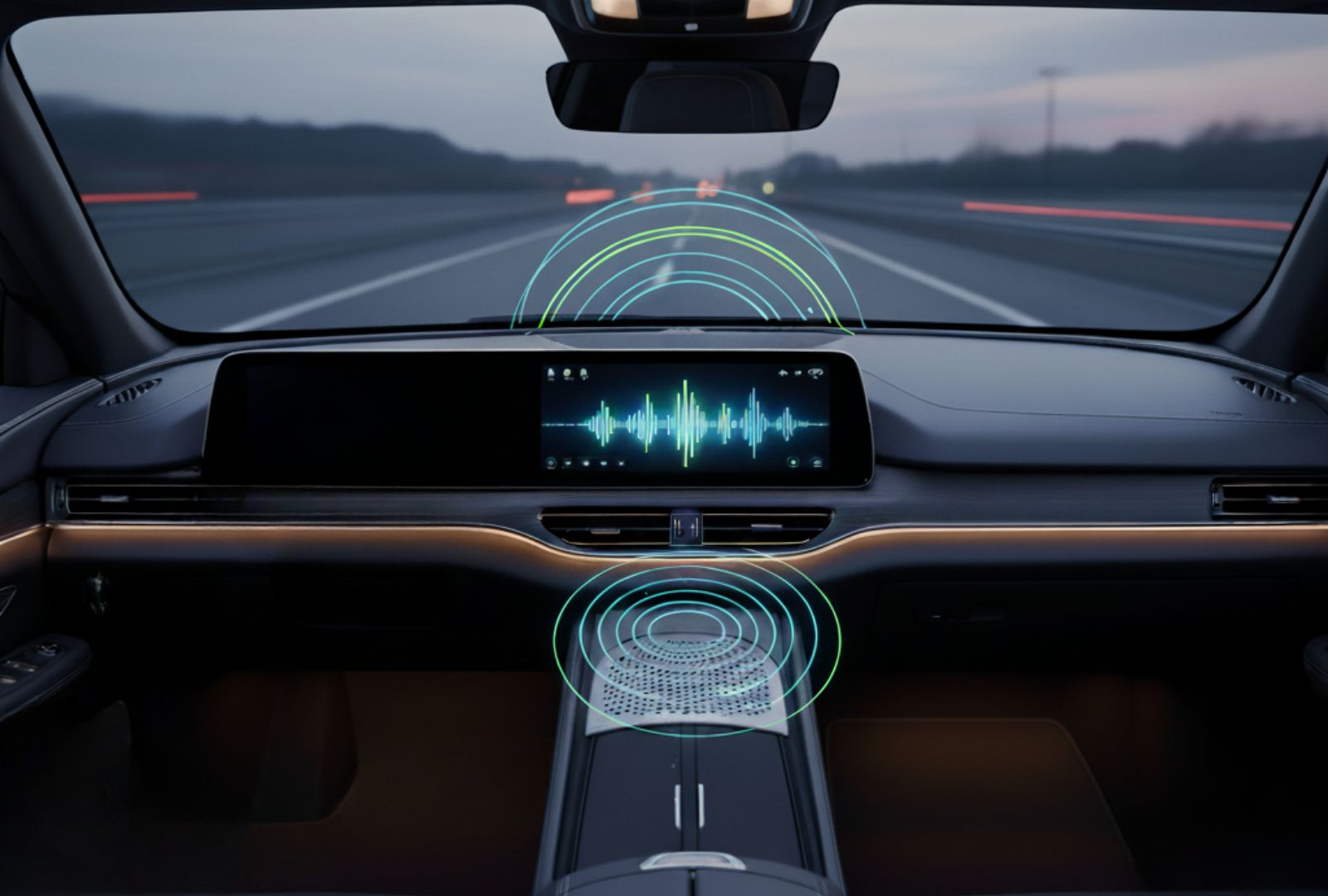
The discussion centers on evolving in-car AI from a simple question-and-answer tool to a fully integrated vehicle control system. Using a “car wash mode” as an example, Grayson and Walt envision a future where a driver can use a simple voice command to have the AI fold the mirrors, close the windows, and adjust the wipers. This suggests a move toward “agentic” AI that can understand and execute complex, multi-step tasks within the vehicle.
[4:30] Grok vs. Gemini: The Battle for OEM Integration and the Consumer Experience
Tesla has a significant advantage with Grok, as its vertical integration allows for direct software updates to connect the AI with vehicle controls. Conversely, integrating an AI like Google’s Gemini into other manufacturers’ vehicles, such as those used by Waymo, would require overcoming significant hurdles, including difficult negotiations and potential internal politics. The friction between tech companies and traditional automakers is highlighted by GM’s decision to remove Apple CarPlay in favor of its own system.
[10:45] The Path to Production: Will Contract Manufacturing Dominate Autonomous Vehicles?
The conversation explores how to bring advanced, AI-powered autonomous vehicles to mass production. Given the slow pace of traditional auto manufacturers, the hosts suggest a potential shift toward a contract manufacturing model. A company like Foxconn, which focuses on building physical products, could be contracted to manufacture purpose-built autonomous vehicles, while a tech company like Google would provide the core software and AI experience, such as Gemini.
[14:41] Tesla’s Robotaxi Expansion: Permits in California, Nevada, and Validation Fleets in Phoenix
Tesla advanced its robotaxi ambitions on multiple fronts. The company applied for permits to operate a ride-hailing service with a driver at California airports, including SFO and San Jose, and secured a permit for robotaxi testing in Nevada. Most significantly, Tesla deployed “validation cars” equipped with cameras and Luminar lidars in Phoenix. This action is seen as a precursor to launching a robotaxi service in the area and indicates a methodical, market-by-market validation strategy rather than a sudden nationwide rollout.
[20:05] SpaceX’s Spectrum Purchase: The Role of Connectivity in Autonomy
Elon Musk’s SpaceX acquired $19 billion worth of spectrum, the airwaves necessary for wireless communication. This strategic purchase is crucial for ensuring robust connectivity for Tesla’s future robotaxi fleet and Optimus robots. It could allow Tesla to create its own network for its vehicles, potentially replacing the current reliance on providers like AT&T.
[23:45] Zoox Launches Limited, Fixed-Route Service in Las Vegas
Amazon’s subsidiary, Zoox, launched a service in Las Vegas that received a public mention from CEO Andy Jassy. However, the service is not an open-world robotaxi. Instead it functions as a point-to-point shuttle between a small, pre-selected list of destinations, including Resort World,Top Golf, and the Luxor. The hosts describe this fixed-route model as more akin to a “Disneyland ride” than a true autonomous, go-anywhere service.
[27:55] May Mobility Launches Robotaxi Service on Lyft Network in Atlanta
In a significant step forward, May Mobility launched a robotaxi service in partnership with Lyft in Midtown Atlanta. Unlike Zoox’s fixed-route system, May Mobility operates within a seven-square-mile domain where users can request rides to any location. This launch marks a successful evolution from the company’s previous fixed-route model and is supported by a manufacturing partnership with Toyota to build hybrid autonomous vehicles in the U.S..
[36:43] Autonomous Trucking Update: Kodiak’s Driverless Operations and Plus’s Fleet Trials
The autonomous trucking sector saw major progress. Kodiak shipped its first truck to customer Atlas Energy and announced it has completed over 3,000 hours of paid, fully driverless operations with no human in the cab. Atlas Energy now owns and operates eight Kodiak trucks. Meanwhile, Plus initiated its own autonomous fleet trials on a 400-mile route in Texas. This growing momentum is expected to increase pressure on competitors like Aurora to share more details with the market.
Full Episode Transcript
Grayson Brulte: Walt. The stock market’s hit in new highs. The IPO window keeps opening. Could we have [suspicious link removed] bubble? And the m and a in the media and telco space, it’s on fire.
Walter Piecyk: Yeah, it definitely is on fire a lot to deal with this week, and I think later in this podcast we’ll touch on Elon’s deal with SpaceX where he bought some spectrum. But first Grayson, I want to talk about, One of these Road to Autonomy podcasts that I finally got around to listening to,.
Grayson Brulte: Do you have a confession to make? Walt, did you finally come over to the oil and natural gas side and take a listen to my quarterly outlooks?
Walter Piecyk: I knew you were gonna go there, but no, I did not listen to that one. That didn’t fit in for me. You know, I’m a nuclear guy, but I know you get great traction and obviously. Power is gonna be an essential, uh, element to the success of autonomy. But now I’m talking about the Qualcomm one, where you interviewed the head of, um, the A DAS and autonomous driving product from Qualcomm. I’m not gonna attempt to pronounce his name. Um, it was a great interview. , And once again, just, you know, adding to your library and Road to Autonomy, you know, clearly the largest library of autonomy, content in this space. Bar none. , So I don’t know. It’s, it was, it was really interesting and there’s a lot of things that, that kind of struck me there.
Grayson Brulte: Thank you and I, and I, and I will let you and our listeners in the library’s expanding. There’s some big news coming in a few months of what we’re doing with that library, so tune into that. was it in the Qualcomm interviews today? Was it Snapdragon digital chassis? Was it the ai? Was it the BMW? What was it?
Walter Piecyk: I think it was his comment about, you know, going into a car wash and. You know, I have a Tesla and it’s sometimes frustrating for me to try and figure out the, the windshield wipers and like a lot of stuff going in there where I think what he was talking about is with AI and good audio, and not a lot of these cars have it. You can basically just talk to your car and say, Hey, I’m, in his case, the example he gave is, I’m going to a car wash. Rather than looking forward in the settings, you just say. Put it in car wash mode where I think even you talked about like maybe you don’t even have to tell the car that if there’s enough intelligence, it knows geographically and with maps that it’s at the car wash and, and asks you on the screen. Would you like to go into to car wash mode? That, that was the interesting, part of the conversation.
Grayson Brulte: It. there, but now I’m gonna sound like an old geezer here. What the heck is car wash mode? And why do you need it?
Walter Piecyk: I don’t actually, I don’t even know, but it’s probably something that folds you, folds your, uh. Folds your, um, side mirrors in and does something with the windshield wipers and I guess make sure all the windows, make sure all the windows are closed. So, so things don’t, don’t get in there. But I mean, the, the, the issue was the integration of voice to what’s going in the car. And I, it just, it, you know, made me think about like, okay, yeah, that’s important and these are developments. The fact that in my Tesla, I already have grok in my car, and then I’m like, and G Grok has been great, but then I’m like, okay, but does Grok enabled me to say, you know, tell GGrok to turn the lights on? Like does it interact with what the car does as opposed to just being like an AI answering machine in the car.
Grayson Brulte: Over time you’re going to be able to. Today you cannot. You have the two different systems. You have the Tesla voice system to control the car, and you have the grok system. Over time, it will get integrated. Grok will be able to control the whole Tesla vehicle. By the voice and hopefully without having to hit the button, it can put into FSD supervised mode for you as well.
Walter Piecyk: and I just wonder if it’s, it’s like agentic things, like if you’re, if you’re talking to GGrok about stuff you want done, once it integrates with what goes on in the car. , You know, is it using some of that Ag agent agentic power? And then the question is like, is there anything physically that has to different, has to be different in the car? Is this just gonna be another one of those Tesla software upgrades that enables that kind of integration of Grok with, with the functionality of the car as far as, you know?
Grayson Brulte: I believe, but I’ll say this, that I’m not an engineer. I believe that Tesla, the software has to give grok the permissions and it is a software update. But again, I’m not an engineer. But to me, looking at, it seems like it’s a software update.
Walter Piecyk: So, so what’s fascinating about that is, you know, if you think about how Waymo is dealing with car manufacturers, these are separate OEMs, you know, and do the OEMs turn over. Like, you know, their system to a Gemini ai, does it have to integrate into whatever systems that they’re using in those cars that control the car as opposed to the media that that’s in the car? Like how does that work? Um, in terms of the, the future development of autonomous cars? Because, you know, Waymo has talked about, you know, you know, with this pseudo press release that they had with Toyota, you know, doing, doing private car ownership. How do they get there with, with some of these, you know, external OEMs?
Grayson Brulte: A lot of bruises, a lot of battles, a lot of negotiations. It’ll give you a very public example. GM removed Apple CarPlay from the GM vehicles, and there was consumer outcry, but GM says we can build a better software experience. I don’t think so. The Apple experience is better, and if you look at the updates that Apple is making on CarPlay, they want to control the vehicle. And at some point, the traditional OEMs and the software developers, and when I say software developers, I’ll specifically mention Apple CarPlay and Google’s Android Auto are going to come to a ahead. way that I believe we get over that hump is the consumer and they’re gonna vote with their pocketbook, but until that point, there’s gonna be a back and forth battle.
Walter Piecyk: I mean, it, it also just reminds me of kind of what I’ve seen in, in SpaceX. With starlink, and when you’re making these satellites, which are the payload that go onto the Grokets, they’re effectively getting developed in the same area where the Grokets are. So to the extent that they need to make tweaks in how that satellite sits on the Groket, it’s right there and it gives them an advantage, perhaps, to other satellite companies. That wanna put their payload on, on a, on a SpaceX Groket, which they would do, but just don’t have that integration. And I liken that again to this car thing where you know, you have grok. Maybe it’s just faster integration into benefiting from what AI can do. Not only in just, you know, playing music and answering new questions in the car, but integrating the car. That’s gotta be more challenging, you know, with these, with these OEMs.
Grayson Brulte: it’s a lot more challenging. But is the OEM and they have a common owner or doc owner, large shareholder, and Mr. Musk. So they’re the clearest path to do that.
Walter Piecyk: Well, I mean, that’s my point, but I’m, I’m just questioning like, you know, how important that, that is going forward. And I guess even more specifically, you know, you have Gemini, we’re still in the kind of early days of battles, you know, in terms of what LLM people want to adopt. Obviously Elon’s made a big deal about. , How Apple in his mind has restricted him from the App store and putting Grok in the Teslas obviously helps with this. , You know, why is it that that Gemini is not an option on the back screen of my Waymo today? I mean, I, I assume they control that software. Why shouldn’t there be like a button to press Gemini and start asking it, asking it questions, um, while you’re taking one of these Waymo rides?
Grayson Brulte: This is a humble opinion based on historical context, and I’m gonna give the historical context before I give you my humble opinion. Originally, when the Waymo’s were operating before it was iHeart Media. was YouTube music makes a lot of sense. Common owner in Alphabet, there’s an individual who I will remain for privacy purpose. I won’t mention his name, publicly asked to have it removed because he thought it quote unquote devalued the YouTube music brand. Then they go to iHeartRadio, which you and I know was not a success. And then they go to Spotify and they just make Sabrina Carpenter roll out to announce it. And it seems like there’s more success there. So the reason I’m giving you that, it seems like based on what happened with YouTube music, it could be a culture issue where perhaps. The Gemini team doesn’t see the value. That’s pure speculation, but based on music, I could be right.
Walter Piecyk: I dunno. I think that’s a crazy viewpoint. I think you integrate Spotify into the car because it’s the ecosystem, right? They’re they’re pretty, they’re large there, and you can control your music. This, all I’m saying is. To the extent that Gemini is an answer engine, which is effectively, I think, I don’t know how you’re using grok in your car, but I’m using it as an answer engine to, to put it in there. It doesn’t have to control any, obviously you can’t control anything in the car, right? It’s autonomous, like the Waymo you’re in is autonomous, but at least get Gemini to have more exposure. And as people decide between OpenAI and Gemini and Grok, um, you know that you push that one forward.
Grayson Brulte: So if I’m in Alphabet’s shoes, and I think this decision has to be made at the alphabet level, not the Waymo level, I want to integrate Gemini and use it as a way to sell more advertising, to drive business to local businesses and get a cut of that revenue. That’s where I’m going from the alphabet level.
Walter Piecyk: They’re the same company. Grayson, you just said like, I’m at Waymo versus Google. It’s, it’s, they are controlled and owned by this company. Like are they gonna say no if they’re like, put Gemini in that car.
Grayson Brulte: Walt, I’m sorry, you’re missing the picture here. Politics. There is a lot of politics inside of Waymo, and I’ll leave it at that.
Walter Piecyk: Look, maybe they don’t, it’s not a huge deal, right. To have Gemini in the car. So, but it, but just to pull that thread a little bit more in terms of politics, if there are in fact politics there, then like how does that work going forward in getting, again, car manufacturers to integrate this stuff? I think. Didn’t implied intuition. Aren’t they already working on something with Open AI? And like, are you gonna let open AI via applied intuition to come in here and, and kind of usurp your, your presence in cars? And remember, like part of the benefit And part of the thing that we think changes the economy with autonomous cars is you have all this excess time spent. Right in the car to, to deal with media and make, you know, make some advertising dollars perhaps that way. Like, so why, why shouldn’t this be as they continue to ramp these things, it seems like it’s an easy thing. Like Grok just appeared in my Tesla. Why shouldn’t Gemini just appear in the back of Waymo’s?
Grayson Brulte: It should, and you’re a hundred percent right about Applied intuition. They have contracts with 18 leading OEMs, some of the largest OEMs in the world, including Porsche, and they have the contract with open ai. And let’s not forget, the co-founder of Applied Intuition Qassar the COO of Y Combinator when Sam was incubating OpenAI. So that relationship’s very strong and yes. They’re quietly, I’ll say quietly, they are very quietly going into that market and they will be a, a very big force to be reckoned with because of the 18 OEM partnerships. And furthermore, on that point, applied intuition is the software layer powering a lot of those vehicles.
Walter Piecyk: let’s move past the kind of Waymo Robotaxi fleet. And again, think about this over the long term. Going back to the top we were before, in terms of private ownership, if Gemini, if you know OpenAI, if Grok. Can actually do the complex agentic tasks to run the car, right, for media or things that you want to do. Take me here, take me there, like, put me together a trip that’s gonna get me there, fuel me up, whatever. Pick up a burrito. Like stop by my, you know, my favorite jersey Mike’s on the way. Like, plan all that stuff out. , And make it as easy as what you talked about with the gentleman, from Qualcomm. You know, how does that work in terms of getting to production? Like we’re, we’re still here waiting for Waymo to stop, like receiving cars and outfitting them at a plant with your sensors and getting them off the production line. We know how the auto manufacturers work in terms of moving slowly with their operating systems, as you talked about, and making decisions like pushing, you know, Apple’s car play out to develop their own. Like, you know, does this get back to the fact that, you know, those long-term relationships that that Google has or Waymo has with OEMs need to shift and basically just go to a purpose-driven car contract manufactured with Gemini as kind of the root experience in that car, even for the, on a private ownership basis.
Grayson Brulte: Yes, that’s why I think at some point, pure speculation. I’ll give you a prediction at some point. Foxconn will ramp up their autonomous vehicle ambitions and go into that sector because Foxconn the end of the day cares about building the product, the physical product, not the software. So yes, at some point, contract manufacturing will become a dominant presence in this industry.
Walter Piecyk: we’ve kind of discounted Professor X, X Auto Tensor now, , they’re going down that path. I mean, isn’t, there’s no one else. I mean, I, you know, neuro was kind of going down that path, but their delivery robots and have, have basically recoiled from that. And their founders have talked about the fact that that’s not the way to go. Um, is it possible that tensor ends up being kind of the canary in the coal mine because, you know, they’re embracing that, that route.
Grayson Brulte: Could, very, could, and I and I, and I say could because they have the relationship with VIN fasts, the vehicles are gonna be manufactured in Vietnam. So you have the ability to manufacture the question that we do not know yet much capital, if any capital will VIN fasts put in, and what type of output will, will they guarantee them a year, and what sort of distribution will they get with that? Those are all questions that we don’t know, but they’re all possibilities.
Walter Piecyk: And clearly this is something. At least I need to do more work on. Because my guess is that the feedback we’re gonna get this week is like, look, the media system and how that works is very separate than what’s driving the car. Right? And I get that, but I just wonder how over time these things can, can integrate together. ’cause obviously there, you know, again, in terms of private ownership, and again, as you discussed, you know, on that call, which I encourage our listeners, , to, you know, to, to take a listen to. I think there’s, there’s some value in that.
Grayson Brulte: value. We, we what? We do know things are going to change. I do not believe, I’ve done work for one of the largest major airlines, and so I can tell you without naming the airline. You have the critical system that flies the plane, and you have the, the, the in-flight entertainment system, the IFE and you know, the command. And I was very fortunate I got to go to a tear down of 7 47. The wires never touch or never connect for safety purposes. At some point in a car, they, they will, so I don’t think you’re gonna have the, the airline level, but you’re gonna have some interesting software access firewalls to enable that.
Walter Piecyk: Grayson, let’s move on. , To the happenings this week. I think this week, you know, last week I joked about having winner of the week. I don’t think there was really any news outta Waymo. So I think Tesla is our winner of the week between the, between the two giants. Um, had a couple of news. You wanna go through some of those things.
Grayson Brulte: we did. So now let’s just, the heavyweight fight is now officially tied one for one. We got a report out of Politico this week that Tesla is applying for permits to deploy. Ride hailing. And I wanna say for the audience, yes, I know. There is a driver behind the wheel, and it’s a different classification according to the California Public Utilities Commission. they’ve applied for a permit to operate at the Oakland Airport, the San Francisco Airport, commonly known as SFO in San Jose. We also saw videos on X, where Tesla is Tesla Highway robotaxi in the Phoenix Metropolitan region, we got a report from Sawyer Merrit on X, but was verified by TechCrunch in the. Department of Transportation that Tesla has secured a permit to test Robotaxi in the state of Nevada.
Walter Piecyk: Well, that was quite an information dump. So three separate things. The California expansion, I mean. No offense, but this is a yawn, right? I mean, it’s just, you’re in your Tesla, there’s a safety driver there. Like that expansion is just not really that interesting to me. And how many robotaxis do they really even have on the road for it to make that a realistic service? So that’s really, to me, a nothing burger. , Nevada also, you know, it’s good to get some permits or what have you, but like, again, not a huge surprise. So not a nothing burger, but not a huge surprise. They have the boring tunnel, right? So we kind of talked about the importance or the interest in that market. Obviously they’re, the ODD would be broader than just the tunnel. Um, just like Zoox had started out with a very, which we’ll get to later. , But I guess I’m most interested in the stuff from Phoenix, but not maybe the way you would think, which is, you know, you said that they were testing on the highway, but I, I think those pictures. Grayson we’re of Robotaxis with those gigantic cameras, the stuff that we’ve shared videos with in Tesla, in, in Austin, when they were expanding there. So what’s with these, these cars that have these kind of, I think li, there’s Lidar on them, them as well, right? Lidars and cameras that are driving around Phoenix. What is the purpose of those cars?
Grayson Brulte: You are correct, and they’re, they’re, they’re luminar solid state lidars on there. They’re validation cars. They’re, they’re validating the system for getting ready for that expansion. To when you look at that, it is a clear indicator Tesla is getting ready to expand and open Phoenix robotaxi service. And if you look back in history, we saw the same photos around Austin that we’re seeing now in Phoenix. So I will go on the record and say, so today is September 12th. Friday. By November 1st, they’re operating a service driver out. But when I say driver out, we got, this goes back to Walt’s corner. With the terminology, there will be a safety attenant in the passenger seat by November 1st, operating in Phoenix, and I will give you a prediction of an ODD, roughly 50 square miles.
Walter Piecyk: That’s wonderful, and thank you for those predictions. And I think that’s, you know, that’s great for our Tesla, uh, bulls that are, that are watching. , But I’m gonna take this a different way, which is, you know, there was a narrative that, you know, as you prove out Austin and expand that it’s like, we’re gonna light up similar markets and, you know, there’s not additional testing. So like, is, is this gonna have to happen in every market where you have to, I think the word you used was validate. Lidar and go market by market. ’cause I think that’s a very different expansion process than I think many believe. , I know when we’ve discussed this before, I said, yeah, there’ll be similar markets and, and obviously you go to New York and there’s gonna be a validation process, so it’ll be a lot more methodical. So we, you know, we, we’ve discussed this on this podcast before, but here’s just another example. I mean, is Phoenix. No offense to people in Phoenix and Austin, but is how, how different is Phoenix from Austin and why does that need to be additionally validated before you launch there?
Grayson Brulte: The blunt answer, Walt, it’s the, it’s the right thing to do. It’s the, it’s the, it’s the smart thing to do. I would do it if I was calling the shots. Point, point blank. I think it’s the right things. It’s, it’s a smart thing to do. It goes back to their, their focus safety. If you look at the way that Phoenix is designed from a layoff perspective, there’s a reason. And, and Gary McCarthy, who was a chief of police there, and now he is, uh, head of law enforcement for Aurora. He would tell you it’s the roads are wide, the way they’re designed. They’re, they’re, they’re well maintained. So it’s a really great proving ground. That’s one of the main reasons outside of policy, why Waymo initially launched there.
Walter Piecyk: Look, and, and I’m not saying it’s not what they should do, and I agree with you, and I think it, it, it does underscore the culture of safety, which I think. People do not give them credit for. But on the flip side for, you know, people that are very bullish on Tesla, when you talk about like, oh, just lighting up the entire country overnight. Like, look, here they are in Phoenix doing validation. So you have to, you know, measure your expectations for a more methodical approach, which is again, I think the right thing to do. And you know. Hopefully people don’t use this as a, as a reason to, like, once again, you know, claim, oh, this is why they should shut everything down. Yeah, they should shut everything down because they’re being safe and, and validating a market. Uh, but we do get those nonsensical inbounds.
Grayson Brulte: You hit the nail on the head. a measured approach. ’cause on one side you have the Tesla things that, and then the one side you have the Waymo way is we had the heavyweight fight last week. a measured approach. That’s what we need to look at every company in this from a measured approach. Elon was busy. He’s busy all the time. He was launching robotaxis in Phoenix, getting ready to launch in Nevada. And then lo and behold, he’s got a company called SpaceX and I see a headline pop up. He spends $19 billion to buy Spectrum from Estar. And then next thing I know, I get a note from Lightshed From you, from Lightshed, I see something, you talk about connectivity in Robotaxis, so I had to put on my I spy hat and I start going into this. You’re very smart. You’re, you’re wearing your inspector hats. Walt I’m impressed here.
Walter Piecyk: Yeah, this has long been in my wheelhouse in, in terms of our, our coverage, , on these, both these names. But, you know, look, the interesting thing is 19 billion is pocket change, but no one really expected him to spend that much, uh, for Spectrum. It’s gonna take time for this to play out. You know, for those of us out there that are, are in the us, you know, you’re paying a lot for your service. These telcos have really fat EBITDA margins. , And there, there could be a scenario that plays out over the next couple of years where you would buy Grayson a Starlink phone. I mean, I, hopefully he can work out the technology with app, with Apple and Samsung, but you know how Elon is like with Apple and Samsung. If these guys don’t play ball, who knows? Maybe he goes into to considering making a phone of itself. And, and I think the common thread here, it all ties back to the importance of Grok. Grok appeared to my Tesla. Grok is obviously gonna be an important element, uh, of phones and, and service connectivity. And in terms of our world of autonomy, a hundred percent. What you just, what just pointed out, it wasn’t a major point of the note, but there is gonna be connectivity for the robo fleet and Optimus robots. I think Elon talked about that and right now I think there’s at and t that when you think about all the services you’re getting, your Tesla today, I’m pretty sure that’s going over at and t’s network to be able to backfill that onto two satellite spectrum. Or there, there, there are starlink, um, constellation, which again, it’s gonna take a couple years for this version of the Constellation. But, um, definitely an interesting development for the company.
Grayson Brulte: Well, I gotta put on my my hat for the audience and ask you a question. What is Spectrum and why would somebody pay $19 billion for it?
Walter Piecyk: Spectrum is basically the airwaves that make your phone work. It’s kinda like when you tune your radio, how does the music get to the radio? It’s, it’s the. Capacity, it’s the land required, , for connectivity. Now, look for autonomous cars. Most of the processing is gonna occur in the car, but there’s a lot of extra services that we’re all dealing with. Like when you’re listening to Spotify in your car or getting your grok answers back and forth, it’s gonna want to connect to the broader network.
Grayson Brulte: Now, I’ve gotta put my policy hat on here. How is Brendan Carr and the FCC gonna think about this?
Walter Piecyk: I mean, I think it’s great if you have, you know, a real competitor to an industry that has very fat margins. Again, not the primary reason for this. I mean, I think in most cases the telcos will be partners, but there is an opportunity which Elon addressed on the during the All In Podcast, where you could be buying your services directly from them. And we know, look, we’ve seen the success. They’ve had in selling starlink direct to consumers and selling Tesla direct to consumers without, any advertising and, and with their distribution channels that they have. So it’s a strong capability at the company for sure.
Grayson Brulte: I don’t study the market as much as you do, but I will say this, it seems like Elon and Company, at some point, all of his companies are gonna work. Together. So we thank you for, let’s call it Spectrum Corner. Now we’re gonna get Autonomy Markets because that’s what we know. Zoox, if you want to call it the, the little company that could, the toaster, the brave little toaster company, the green, whatever company you wanna call it. They opened limited service in Las Vegas this week, even got a, a post from Andy Jassey on X. When I say limited, Walt. It’s pre-select destinations. If you and I want to go to the Cosmopolitan, can’t do that. We wanna go to the sphere. Can’t do that. Extremely limited service. And I wanna read the stops before I get your opinion here, that you can go to Resort World Las Vegas, area 15, not Area 51, but but 15 Top Golf, New York, New York, Luxor. What value does that create?
Walter Piecyk: First of all, I, I had a very busy week and I, and I did see a lot of stuff on Twitter, and I think you’re right. The fact that Andy Jassy tweeted about it, I’m like, oh, what was this big announcement? ’cause I, they were already operating in Las Vegas, so I, it didn’t seem like something that different. They’re not even charging for rides. Right. So they’re not like opening commercial service there yet. Not, you know, this, they don’t have the choice to, I guess, because of regulations in that market. But, if it’s point to point service, it’s not really what we traditionally consider in terms of autonomy. I mean, that’s in the world of Glydways and how Glydways is gonna provide connectivity to this, to the, uh, San Jose airport along a dedicated, you know, along a dedicated path. There’s, this is not a dedicated path. They’re going on to public roads, but still, like, I, it’s not autonomy in, in the sense that, that we think of it, that we think. And, and what do you think in terms of square mileage that ODD represents, just for comparison’s sake?
Grayson Brulte: I downloaded the Zoox app, put my information, and was able to get a hold of the map in the app. So I’m assuming, and looking at the map that we’re looking at 10 to 20 square miles, and I would probably hone in closer to the 10 side, but 10 to 20 square miles, so very small ODD.
Walter Piecyk: 20, I think sounds at the high end, sounds similar to what Tesla did in Austin, but again, if it’s point to point service like a bus stop, then it’s not really a fair comp, so I’m not even sure. It’s worth discussing. , The ODD,
Grayson Brulte: It’s not worth discussing, and I wanna highlight in an interview with the Verge, when the editors push back on, when is this gonna change? They said, oh, more fixed destinations are coming online. They avoided the question around go anywhere you want service. So it seems like it’s just gonna be a. fixed destination for a long time.
Walter Piecyk: so is that the model? I mean, is that the Zoox model that it’s not? Autonomy as we see it today with Waymo as we’re seeing it developed with Tesla and others, is it just, are they basically just like trying to compete basically with Glydways now? Right. Point to point locations?
Grayson Brulte: We don’t know. We would, we would like clarity and as I said a few weeks ago. It’s like a Disneyland ride. There’s no other way to describe it. What’s the value in it?
Walter Piecyk: I mean, I think there is value. I mean, when I, when I talked to Glydways about the bus, the business model that they’re in and the cost to cities of these buses and trains, you know, this is, there’s a lot of studies that talk about how having smaller vehicles for public transportation, but in that case, the buyers of those systems are governments. They’re not necessarily individual consumers. It’s just a different business model. It may, it may still work and I think it probably. Works a little bit better in markets that, that have not yet invested in any infrastructure, in terms of public transportation when, when they’re thinking about new public transportation investments?
Grayson Brulte: I question the value of fixed routes. May Mobility used to do that, and now they’re operating a robotaxi service. This week they launched on the Lyft Network in Midtown Atlanta, a seven square mile ODD. Big positive step. What do you think?
Walter Piecyk: But what’s the lesson learned? I mean, the lesson learned is a positive one. They did point to point. They booked revenue with cities. Now they’ve evolved to have a deal with Lyft where it’s not point to point. It’s actually in an ODD. Yes, it’s relatively small, seven square miles versus what Tesla did in, in Austin with 20. But like is the, that’s a positive lesson learned that like that’s where you start maybe.
Grayson Brulte: Yes, but made mobility. Never had Amazon Capital behind them.
Walter Piecyk: Well, that’s fair in that may start with point to point with very little capital. They’ve been very capitally efficient In fact. Ed Olson was all over the place this week. It seems like he did every podcast known to man, and I saw him on CNBC. So did a media bliss. Maybe this is an opportunity for them to launch with Lyft and, and with all this IPO activity, get some, some additional capital, um, in the company. But you know, maybe that is, that is the path for these companies. You’re saying that that. You’d rather see like a Nuro path or a Wayve path, but you’re right in the mixer, right. Not doing, you know, select path, but just, you know, being available in an in an ODD.
Grayson Brulte: You have to be available. You have to be able to go where you. Once staying on the theme of public markets, how did the market react to Lyft on this news?
Walter Piecyk: I think there was some reaction. I definitely got some, some inbounds there just asking to get refreshed on May as a reminder. To our listeners, Grayson and I have both been in the May car in, in Ann Arbor with the driver out. We had an exceptional ride there, but then I also tested it, you know, in their public trials in, in my case in Arlington. I went and it was more of like what you just described, where it was stopped. Like I saw my car like going by, you know, where my location was and I had to like walk to where the location, ’cause it was effectively on this route. I think we saw a video. In Atlanta where they had to deal with a company where there was like literally a dedicated lane in the concept of what Glydways is doing. But in this case, like again, they’re progressing the product forward and, and this should seem, you know, this should be a positive for them and we’d obviously love to see that. It’ll be, it’ll be interesting to see how quickly that seven can expand to 20 and 30. Right. I, I believe that. The company, you know, believes in their technology and does see kind of a hockey stick expansion of cars and ods. So you gotta start somewhere racing and you know, this is where they’re starting.
Grayson Brulte: Yes, and you and I know, and this is and May, may, has made this very public. They had the ability to scale because they had the relationship with Toyota. And Toyota is gonna manufacture those vehicles in Ohio. No tariffs. American made vehicles scaling. And the interesting part on this, this hasn’t been talked about, hybrid vehicles, not all electric vehicles.
Walter Piecyk: I didn’t realize that that was part of it. Yeah, that’s huge because of that third leg of the stool that we often refer to, which is. The charging and maintenance of these things, having hybrid vehicles is, is I think critical. Just as a quick aside, I think I hopefully said ODD lot here. I know I’ve got some, I’ve accidentally said ODM, so thanks to all the spell checkers in our audience that were pointing out my inability to say ODD ’cause of my long history in telco. Although ODM is not really a telco term either, it’s like OEM. So I think I’m getting all my acronyms, , mixed up. , But just because I call it an ODM doesn’t mean I know what an ODD is. But thanks anyway for your spell checking for your spell checking comments.
Grayson Brulte: You could call it alphabet soup. You call it anything you want. I’ll still be your friend.
Walter Piecyk: Look, I’m also gonna make up my own terminology for safety driver and and safety attendant, and I’m sticking to it. I mean, we, this is the leading podcast in autonomy. We are, the guy in the driver’s seat is a safety driver. The one in the passenger seat is a safety attendant. I’m digging in my heels on that one. That is the terminology that we will be using for now and we recommend the rest of the industry fall in line.
Grayson Brulte: I like that. Well, well done Walt. I wanna stay on May here for a moment, ’cause May, as far as I know, is the only company that has a deal with Lyft. And has a deal with Uber. You mentioned Arlington, Texas, may has been operating there since 2021 that was operating on the Via app, which is in the process of Via Going public. How is may make the decisions to allocate vehicles to the Uber network, which are launching in Arlington later this year, and to Lyft where they’re currently operating. ’cause you and I have talked about Waymo has this issues, how are they gonna allocate vehicles?
Walter Piecyk: well, may doesn’t have any say in that. It’s where Uber allocates the vehicles to the driver and, you know, Uber is obsessed with their five or 10 minute pickup time, which is, in my personal experience, absurd because they tell you it’s five or 10 minutes and it’s not, it’s rarely is. I mean, I don’t know if anyone’s done studies there. My comments are, are all anecdotal. , But I think this is the challenge that Waymo has faced in some of these markets. There’s still not a separate Waymo tier. There’s no way there’s gonna be a may tier until they ramp those, those products or ramp those, those number of cars you’re just gonna get assigned. I think, you know, when you pick one of the existing categories that way, that Uber, or in the case of Atlanta, Lyft, have in this market.
Grayson Brulte: That’s a good analysis. What I was getting at is when the vehicles come off the line from Toyota, who makes a decision whether they’re going on the Lyft network or the Uber network before they go into service.
Walter Piecyk: I mean, there’s gotta be some contractual obligations and, and I think May’s probably mentality around this is like, Grayson. And don’t worry about it. We’re gonna just try and crank out as many cars as possible to, to satisfy the demand that we have with our rideshare partners.
Grayson Brulte: Walt, let’s continue to watch it because it’d be very interesting to see how that evolves, especially as we get later into the year.
Walter Piecyk: Hold on. Let me, let me just, let me interrupt on you there, Grayson and, and, and just make one other positive comment. I mean, May Mobility already has that relationship with Toyota. There is a roadmap to getting to these, you know, production level cars. Let, let’s compare that to the leading autonomy company in the country right now. Waymo where all we’ve had is a, like a pseudo press release about talking about doing something with Toyota again, they’re still outfitting Jaguars and Chinese seeker cars with sensors. They have zero cars coming off of any production lines themselves today. And like that is gonna be a critical unlock. We, we believe that they’re gonna get there. There’s, you know, even more and more factors that we’re gonna talk about, like we did earlier in terms of the integration of Gemini and other things. And, you know, the process of getting there to get to production level. , ‘Cause obviously that’s a very important part to really take autonomy to the next level in this country and globally.
Grayson Brulte: It is May has the contract. You and I have met with him. We’ve seen the vehicles. We, we got the schematics of the factory and on the Waymo front, that hasn’t been discussed in any autonomy podcast yet, or in the news. Waymo now has a Hyundai risk. we don’t know after the incident that happened, what risk that could be and could that slow down potentially the Ioniq fives.
Walter Piecyk: the incident you’re talking about, ’cause I don’t know why we’d have to dance around this. Is there was an ice raid on one of their manufacturing plants? Not for, I don’t think for the cars. I think it was a battery plant. Correct me if I’m wrong, but, , but the company I think oddly talked about like shutting down the plant or stopping the plant because of not getting labored. It was almost to me defiant to the administration. , Not, I think. A successful tact. You want to go? I mean, I would refer maybe to seeing Tim Cook thank the president eight times at, at dinner, , among other CEOs that were there. Like, and you’re, you’re gonna like, basically effectively try and embarrass the administration and talk about how you’re shutting down, or, I don’t know if it was a shutdown or, or a delay based on, you know, the raids that occurred at that, at that facility.
Grayson Brulte: Sometimes you. Play politics and you gotta swallow your pride and do what’s best for the company and best for your shareholders.
Walter Piecyk: And, and maybe best for the shareholders was getting the cheap labor that they were getting. But you know, there is obviously labor in the US that they could, I, I don’t know the specifics about the situation, but from a press stand standpoint, it felt, felt like an unforced error in terms of their communication about what happened there.
Grayson Brulte: Big time. While we don’t know specifics, we do know that we will be monitoring the situation to see if there is any slowdown at the Savannah plant. If there’s any repercussions that we will be, be monitoring.
Walter Piecyk: At the end of the day, what the administration wants is just more manufacturing. So the extent that these Hyundais are gonna get made in the us. That should, um, I was gonna say Trump all other factors, pun not intended. Um, and that should be the most important thing, and I think it will, for this administration. But, you know, don’t tempt fate by like, you know, doing stuff or saying stuff that’s, that’s not, I think, productive to work together to get Hyundais on the road as quickly as possible. There are other OEMs out there.
Grayson Brulte: Administration is very clear. They want manufacturing jobs here in in America. And let’s shift gears here to autonomous trucking Walt, where jobs are being created in America. This week Kodiak announced they, they ship their first Roush Upfitted autonomous truck to Atlas Energy in the Permian Basin that goes out to my oil and gas friends first truck. It’s owned on Atlas balance sheet. It’s part of 100 truck delivery, and we got some really interesting stats from Kodiak this week. Following that announcement, Kodiak has completed over 3000 hours of paid driverless operations. Here’s the key, Walt. Not a single human soul in the cab. Atlas Energy is currently operating eight Kodiak autonomous trucks, which Atlas Energy owns the trucks on their balance sheet. Kodiak is getting a licensing fee and Kodiak has com successfully completed over 3 million autonomous miles big week for them.
Walter Piecyk: I mean, I know our listeners, , that are involved with Aurora, you know, firmly believe that they’re years ahead of, of Kodiak. , But those are pretty good stats that you just talked about and clearly I think. Direct shots at, , Aurora, no one in the cab, eight trucks. Right? And you have Atlas Energy actually being the one that owns a truck, which is stuff we’ve talked about in terms of a business model that I’ve wondered in the past, like, is someone gonna want to own a truck where there’s no, there’s no actual driver in the truck. , So, you know, I think interesting thing there, I think co obviously kodiak’s in the process of a spac, I don’t know. At some point they’re gonna effectively be a, a public company and that thing will be deSPACed or whatever the proper terminology is for that. But certainly, obviously interesting, interesting details there. I also saw there was some progress at plus, where they, they started some autonomous fleet trials between Loreto and, and, uh, Dallas on the I 35. , That’s a seven hour drive. I believe it’s over 400 miles. So, you know, good progress for plus who’s, I think also going through a sping process to go public. , So it feels like there’s momentum for them as well.
Grayson Brulte: clearly momentum for autonomous trucking. We’re about to go from one to three publicly traded autonomous trucking companies from a, an analyst who covers Wall Street. How are you thinking about the industry?
Walter Piecyk: that is always the best situation. You want as many players in the in, in that space as possible. ’cause that is more likely to drive investor attention. Regardless of the variety of of market caps, I think it’s gonna put more pressure on, on Aurora, um, to provide more updates. I mean, you know, last week I talked about Chris Urmson speaking at a conference he did and didn’t really say that much. So, you know, there’s gonna be more pressure as Kodiak gets out there. Obviously they’re willing to talk more about details and trucks. It’s gonna put more pressure on Aurora to get more trucks on the road. Open up more lanes, go to new more, go to more markets, provide more regular updates on, you know, what’s going on with Volvo, take investors out to, you know, to, to see the Volvo plant and what’s going on there, and maybe set stuff up with, with Paccar. To give us some more sense of, of how this market evolves, I’d love to go see one of these transfer points where, you know, they go from. The autonomous truck to the, to the final, you know, the delivery on at the end and how, you know, get a good sense of how that will evolve over time. But I think as a result, this is good and there’ll be some sniping as between companies, just like we see on the car side between the Tesla and the Waymo people. There’s gonna be sniping back and forth. Like I said in the past podcast. The bigger issue here is the market opportunity for everybody. Yes. Some of these companies will fail and cease to exist in five years, but for the moment, what everyone should be focusing on is the opportunity to A, to save lives and obviously to, in, in, in trucking to increase productivity and, and, and lower cost. And I hopefully that that will be the, the end result. As we’ve talked, as we talk more about autonomous trucking over the next, you know, six to 12 months.
Grayson Brulte: The bottom line is autonomy is good for the economy, and soon we will usher in the autonomy economy and every week while you and I are here breaking down the autonomy markets. What do we look need to look for in the markets over the coming week?
Walter Piecyk: I mean, so it was a quiet week for Waymo. Like I said, Tesla won this week. Um, in terms of their incremental news, even though some of it was a little bit of a yawn, but, you know, I’d love to maybe see San Francisco open up. Maybe someone pressure. The mayor there, which I think is the mayor, the new, the new mayor in San Francisco has generally been well received for cleaning up some of the streets. Maybe talk about getting the airports. Maybe Waymo just goes to the highways before, I mean the airport’s queued up. , I don’t know. I think we just need to hear something out of Waymo for next week. What do you think?
Grayson Brulte: I’d love to hear Waymo News, and I just wanna put my policy wonk hat on. The mayor does not have the legal authority to to grant permits for the airport. Solely it goes to a commission. So we’d like to see that, but it’s gonna be a long throg.
Walter Piecyk: But doesn’t, I mean, you, you could say that about the president doesn’t have authority to do a lot of things, but he uses his leadership position to get things done. Is that, does the mayor have no ability to do that in, in San Francisco?
Grayson Brulte: The mayor of San Francisco has done a phenomenal job cleaning the city up. Tourism is coming back. RevPAR, that’s the metric that revenue per available room that hotels are measured by that’s going up, the economy’s coming back. So yes, he does have the political clout in my opinion.
Walter Piecyk: Okay, well let’s get it done. Let’s get to the San Francisco airport.
Grayson Brulte: Let’s get it done. Waymo Walt and I wanna be one of the first writers at SFO ’cause we’ll fly out and get picked up in a, in a Waymo, and then we’ll make an Autonomy Markets podcast in there and we’ll promote it. The future is bright. The future autonomous. The future is the autonomy economy. Walt, until next week.
The future is bright. The future is autonomous. The future is The Road to Autonomy.
Subscribe to This Week in The Autonomy Economy™
Join institutional investors and industry leaders who read This Week in The Autonomy Economy every Sunday. Each edition delivers exclusive insight and commentary on the autonomy economy, helping you stay ahead of what's next.