


Tesla’s Austin Moment, LiDAR Chapter 11 & HYPR Emerges
Executive Summary
In this episode of Autonomy Markets, Grayson Brulte and Walter Piecyk analyze a pivotal week in the self-driving industry. They break down Waymo’s reported $15 billion fundraising round and $110 billion valuation, alongside Tesla’s milestone of removing safety attendants from vehicles in Austin. They also discuss Grayson’s exclusive ride in HYPR, a new vision-only autonomous vehicle venture from Zoox co-founder Tim Kentley Klay, and discuss the implications of Sterling Anderson potentially taking the helm at GM.
Key Autonomy Markets Episode Questions Answered
What is HYPR and how does it differ from other autonomous vehicles?
HYPR is a new company founded by Tim Kentley-Klay, the co-founder of Zoox. Unlike many competitors, HYPR utilizes a “vision-only” approach, relying solely on cameras without lidar or radar. The system is incredibly efficient, requiring only 33 watts of compute power and costing just $850 to train the driving model. The company is currently focused on developing an “AI brain” for robotics rather than operating a commercial robotaxi fleet.
What is the significance of Tesla’s recent testing in Austin?
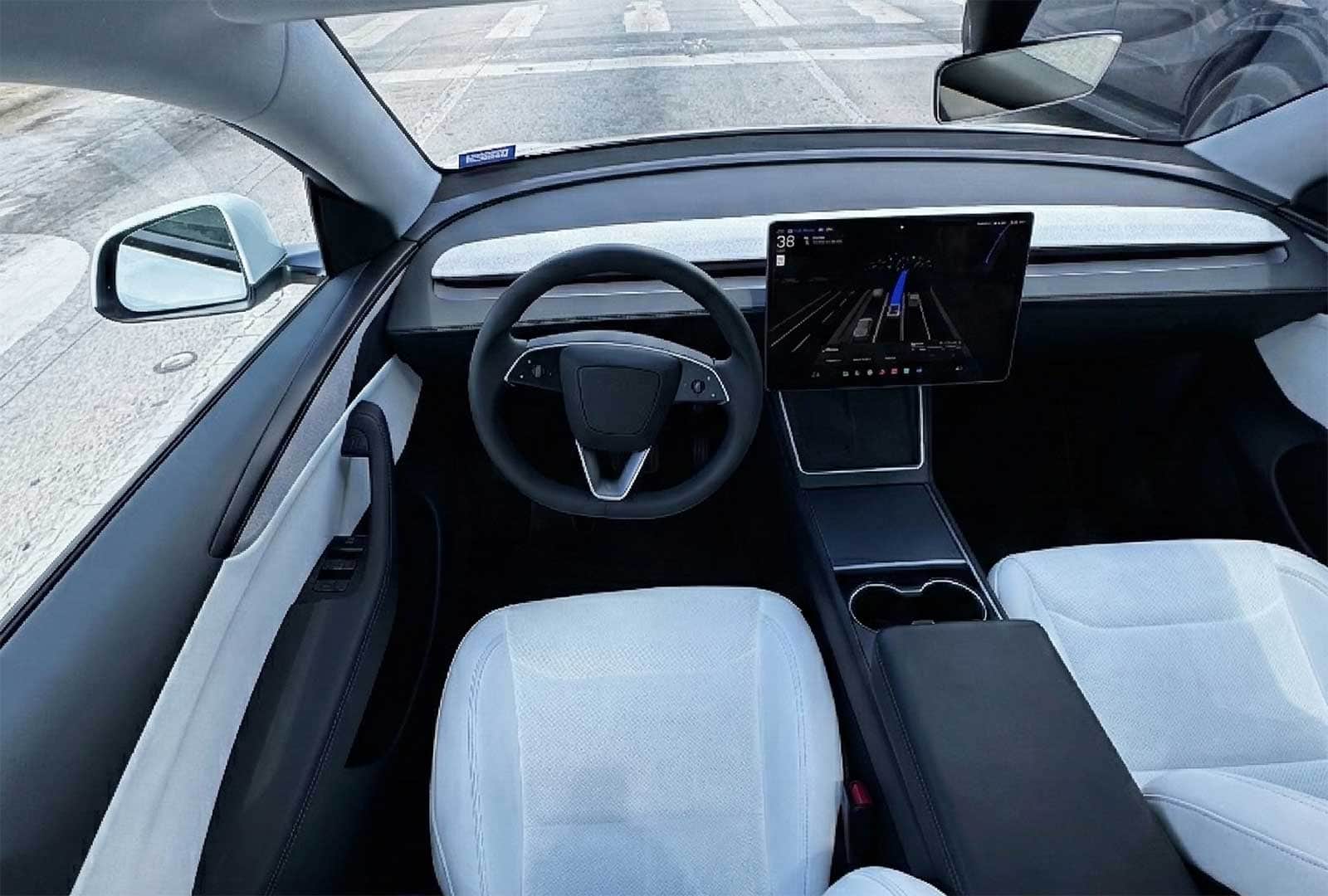
Tesla has begun testing vehicles in Austin, Texas, without a safety attendant in the driver’s seat. This driverless testing marks a significant step toward commercialization for Tesla’s Full Self-Driving (FSD) platform. While currently limited to a specific Operational Design Domain (ODD), Grayson Brulte predicts Tesla will expand testing to the Phoenix Metro area next based on hiring and regulatory patterns.
Why is Waymo raising outside capital despite being owned by Alphabet?
Waymo is reportedly in talks to raise $15 billion at a valuation of $110 billion. Despite Alphabet’s massive cash reserves, raising outside capital allows Waymo to diversify its funding and validate its market value as it scales. With paid rides currently at 450,000 per week and projected to hit 1 million by 2026, the capital is likely aimed at rapidly expanding their vehicle fleet and entering new markets.
Key Autonomy Markets Topics & Timestamps
[01:52] Hyper Revealed & Tim Kentley Klay’s Vision
Grayson shares his exclusive experience as the first non-employee to ride in HYPR, a new vision-only vehicle founded by Zoox co-founder Tim Kentley Klay. The vehicle is notable for its extreme efficiency, using only 33 watts of compute power, and its training model cost a mere $850. Unlike typical robotaxi plays, Hyper is described as a broader robotics project that does not intend to operate its own fleet, focusing instead on developing an “AI brain”.
[07:00] Waymo’s San Francisco Airport Friction
Grayson and Walt discuss the current friction involved in using Waymo for airport travel. Grayson details a “hack” requiring a BART ride to Millbrae to catch a Waymo, as direct pickup at SFO was unavailable. The segment highlights the cost and time disparity: the Waymo ride cost $65 and took 90 minutes due to lack of highway access, while a subsequent Lyft ride cost only $22 and took significantly less time.
[12:43] Tesla Goes Driverless in Austin
Tesla hit a major milestone by removing safety attendants from vehicles in Austin, Texas, a move confirmed by video evidence and license plate tracking. While the commercial rollout is still in early testing stages, this development signals Tesla’s progress toward a true robotaxi service. Grayson predicts the Phoenix Metro area will be the next market for Tesla’s expansion.
[18:00] Luminar Bankruptcy & The Lidar Debate
In a twist of irony, LiDAR manufacturer Luminar filed for Chapter 11 bankruptcy on the same day Tesla demonstrated its vision-only driverless capabilities. The discussion covers the collapse of Luminar’s relationship with Volvo, which Walt had previously probed during earnings calls, and how the timing underscores the ongoing debate between vision-only and sensor-heavy autonomous stacks.
[25:48] Sterling Anderson’s Rise at GM
Bloomberg reports have validated Grayson’s earlier prediction that Sterling Anderson, formerly of Aurora, is being groomed to potentially succeed Mary Barra as CEO of GM. Anderson was hired to bring cutting-edge software and self-driving technology to the legacy automaker. If he ascends to the top role, it could signal a massive shift toward autonomy across GM’s entire lineup.
[31:35] Waymo’s $110 Billion Valuation
Waymo is reportedly in talks to raise $15 billion at a $110 billion valuation in a round led by Alphabet. The hosts analyze why a subsidiary of cash-rich Google would seek external validation, concluding it points to massive scalability plans. Grayson predicts that with increased vehicle supply, Waymo could hit one million paid rides per week by April or May of 2026.
[37:45] Kodiak & Verizon
Kodiak has partnered with Verizon to ensure connectivity for their autonomous trucks in the Permian Basin. Walt contrasts this practical IoT application with the early hype surrounding 5G, noting that the industry has moved away from the idea that low-latency 5G networks would be the primary enabler of autonomy.
Full Episode Transcript
Grayson Brulte: Walt, 2025’s coming into an end. There’s only a few days left in the year we turn the page. It’s 2026 as the year winds down. We’re trucking ahead, fully autonomous, covering the autonomy markets. Waymo’s out there raising the big round. A lidar company went belly up the same time Tesla pulled the safety attendant in Austin. Is it a coincidence or is it something else we’ll discuss? And what we always do, we hit the road and we met with the new autonomy company in San Francisco, and you went on a date, you went on another podcast, not called LightShed. Autonomy Markets. Tell us about that.
Walter Piecyk: Now, were you jealous Grayson, when you saw me pop up on the Brighter with, uh, Herbert podcast? Um, earlier this week, I guess last week. Now,
Grayson Brulte: I wasn’t jealous. I was applauding and I enjoyed watching in the SFO airport lounge, so you kept me company.
Walter Piecyk: first of all, thank you to to Herbert Tong, Herbert Tong, for the podcast. It’s, you know, it’s a Tesla focused podcast. I’m sure we picked up some listeners as a result. So welcome. To alt main markets. We do cover more than just Tesla here. Um, you know, so I’m sure we’ll hear about that in the comments where we make some other, um, discussion topics on, on things like Waymo and, and some of the trucking stocks. But it was a great, it was a great interview. Herbert’s a great guy. Um, talked to him offline. Um, you know, it’s a valuable community in, in many ways because they follow this, this company, um, so closely and, and obviously big things are happening. We went on there right before. Tesla went, Tesla went attending out. But before we get to that, I mean, autonomy markets hits the road. That’s always a good thing. It’s always good to get out there among the companies. And Grayson, I think you have discovered or um, have met with and even tested, uh, an autonomous car from a new company that I’ve never heard of before. So tell us about that.
Grayson Brulte: Yeah, so I’ll tell you about the, the company, it is called Hyper Founded by Tim Kenley Klay, the the founder of Zoox. Before we get to that. What we do. Great things for our listeners here, Walt. I left my house Sunday at 6:00 AM and I arrived home Monday at 7:00 AM I was only on the ground in San Francisco for less than six hours. So the things that we do to produce this wonderful content for our audience, yes, I was the first non-HYPR employee to go for a ride. The Hyperdrive vehicle in San Francisco, we launched in the ferry building, went around downtown San Francisco and it performed well. Very minimal power, as you could see from the video there. And it only cost $850 to train the model. So Tim’s whole approach now is less, is more. And using learning velocity the vehicle’s, constantly learning, you’re making decisions real time with a lot less power.
Walter Piecyk: Hold on for a second. Did you forget a couple of zeros? Did you say $850? $850,000, 850 million? What? What did what? Can you go back through that number again?
Grayson Brulte: You heard that correct Vault? They trained the model to drive the car for $850. That’s 8 5 0. correct.
Walter Piecyk: All right, so that seems a little unbelievable on its surface. Tell me more about Tim Kently Klay who is this guy you mentioned, founder of Zoox. Why did he leave Zoox? Like what’s the deal now? How long has he been working on this? Could have been working on it that long if he only spent 150 do, or $850, excuse me, to train this system.
Grayson Brulte: that’s the train the system, obviously the, the other cost. He’s been working on this in stealth for two years and it’s not just a car. We will be going back next year to see the, the next iteration, but there’s a whole robot play going here and I’m a leaving you in supense there. I’m not gonna go into it, but it’s a lot bigger. Play than just robotaxis. And they are not going to operate a robotaxi fleet. They were developing an AI brain and they wanted to see if it could make a car drive itself, and it was, it was very successful. And for the listeners and viewers, vision only camera, no other additional sensors.
Walter Piecyk: So what I mean, so what’s the point of this? Meaning that, you know, if there, if his intention is really not to enter necessarily the autonomous space. What is rigging this car up? And by the way, for those that haven’t seen it, go, go to The Road to Autonomy Library, which I’ve often said is a, a wealth of content more than any autonomous, um, you know, even by the numbers and by the quality. Any, any, um, autonomous, you know, blogs or, or, or podcasts that are out there? , I think one of it, during part of this video, he was like using a glue gun to attach one of the cameras so, so clearly. The autonomy is not like the end game. So if it’s not the end game necessarily for Hyper Labs, like what was the point of creating this car with, you know with $850 dollars to train it.
Grayson Brulte: The point was to, to validate it. The end game, what they’re building, if you want to call the hyper brain, they’re, they’re building a a brain to do autonomous tasks. And when the whole project is unveiled of what they’re doing, it gets very, very, very interesting. And there’s a, an overall arching focus on low cost vision only.
Walter Piecyk: So. Help me and maybe some of our listeners, obviously most of our listeners are probably very smart and already know this answer, but, um, hyperdrive uses 33 watts of compute. I assume that means that that’s a very low amount of power for compute. Is it, is there any context to that and like, why is it so low? Like, how has he been, in his words, been able to achieve this with such low wattage?
Grayson Brulte: it is low and you, you are correct. It is 33 watts. It is probably. The lowest, if not the lowest ability to drive a vehicle. I’m not sure what the watts are for the Comma system George Hotz built, but he is been able to successfully do it because he believes that less is more when it comes to scaling autonomy and that all this power, you don’t need these centers. If you go the Elon thing, it just creates noise.
Walter Piecyk: I mean, you and I have both been in, in many, many vehicles with autonomy. I mean, you think about May Mobility, that thing sits in that front passenger seat. It’s, it’s huge. It’s, it’s kind of noisy. You know, I remember hopping in the Kodiak truck, , they have this large cab. There’s massive, obviously compute there, clearly doing different things, driving other sensors and, and what have you. . So again, like if, if he’s able to do this so efficiently, why not pursue autonomy? Autonomy, as we both agree, seems to be a pretty big market to, to go after. Why, why use this as like a test case as opposed to the end case?
Grayson Brulte: I could see a, a scenario, this is a high, a scenario where they license the technology to, to fleet operators, but there’s a bigger play with the robotics and I’m gonna have to keep teasing it there and leaving it vague. But there’s a, there’s a bigger robotics play.
Walter Piecyk: Well, again, you can look for that video on The Road to Autonomy. Tim Kently Klay. Um, I guess congrats on, on reaching that milestone. It was a great video, great video to watch. I really love the glue gun aspect of, of fixing the sensor on. I think Waymo spends a little bit more money attaching their sensors. So you’re out in, uh, the Bay Area. Anything else interesting happen while you were out there? I know it was a compressed time that, that’s like, I used to do that stuff in my twenties, that Road Warrior Day trip out in the morning, flight back on the red high. Um, no longer. I’m always on the gentleman’s flight now. Um, what else did you, what else did you do or learn out in San Fran?
Grayson Brulte: when we were there, I had to wear my Clouseau hat. So I, I went into Gemini. Yes, I use Gemini and it, and it’s great. And I said, how do you hack to get a Waymo at SFO? And I said, if you take the BART one stop, five minutes Milbrae, you can get a Waymo there. Bart is, is a weird incident scenario there. The lady said, oh, somebody left their bag here. Oh, I had to get off there. I’m not going on that train with a bag. Got on the next part, five minute journey to Milbrae Get out order Waymo to go from Milbrae to this, the ferry building where Tim’s office is located, one hour and 30 minutes. I said, what the heck? Because I didn’t have highway service, $65. Not bad. I said, I can’t be there. I, I’ve limited time on the ground. So I ordered a Lyft. The Lyft was half the price that it was, that SFO, the Lyft was $22. And I got on the highway and I was there in, I don’t know, say 20, 30 minutes. That hour and a half, it demonstrates that you need the highways, and once they, I have highway access, I’ll do it all the time because the Lyft experience wasn’t that great. The car was dirty and it just wasn’t that great.
Walter Piecyk: Do you think the price difference was because of fees that are payable to, um, to get into the airport and, and get, you know, whatever, pick up areas and things like that? Or is it really then just optimizing, knowing they have tourists that have budgets versus picking up someone in, uh, in Milbrae.
Grayson Brulte: I thought about this one is obviously the airport fees. I don’t know the exact percentage of that. Two, it’s convenience. And then three in Milbrae, they know that that’s the first place that X to SFO, that you can get Waymo. So they’re trying to undercut it and, and to me it says, okay, Waymo’s a threat because they have a little green things. Discount, discount, discount, both on Uber and Lyft. And they’re, in my opinion, they’re trying to persuade you and say, okay, for 20, 30 bucks you can go on ours. Or for 60, you can go in Waymo. So I think that they’re trying to say, Hey, we’re, we’re a cheaper, better option.
Walter Piecyk: Now, I thought you were gonna be able to get way more at the Kiss and fly lot. What happened to that as opposed to going to having to go to Milbrae
Grayson Brulte: The kiss and fly is for employees and the ki Now, I actually think it’s more inconvenient to go to the kiss and fly than it is to go to Milbrae. I did both. I had to test things, and you can’t get it at the hotel on the airport. That’s blocked as well. I tried that as well.
Walter Piecyk: We’ll get, we will go later and talk about some of the silliness that exists in California and how they regulate certain things, but let’s leave that there. Um, for now, in terms of keeping Waymo out, what about the highway? I mean, how long? I mean, and we know that there’s employees doing the highway hour and 30. This reminds me of when we were doing Waymo, or when I was doing Waymo’s in la. Hour and 30, like my experience San Fran into the city is probably a third of that. Right. So this is kind of a non-starter to have this large area in California and not have those highways, even though they get very, you know, trafficked at times. , Seems kind of silly. When you were on the highways, did you see any Waymo’s or any, did you get any, any sense of, you know, from the people of, of the Great Bay Area in San Francisco? You know, when we might, um, be able to hop in those Waymo’s and get on the highways.
Grayson Brulte: So Waymo does have highway. I applied for highway access. I have not been granted highway access there. Uh, on my journey to and from the airport, I did not see O one single Waymo vehicle. That’s, I did not see a Jaguar and more, and most importantly, even in downtown San Francisco. I didn’t see a Zeekr and I asked the individuals that work at the ferry building right there in the heart of San Francisco. I said, are you seeing Zeekr? And they said, no. I was like, okay, that’s a sign. But you know what I saw? I saw the Applied Intuition Car Qasar. Really good job there. You’re getting your, your Nissans going around. And what I saw more than anything, the Mercedes, Nvidia car kept going around and around and around and around.
Walter Piecyk: applied intuition seems to be one of those companies that just doesn’t get talked enough about, or talked about enough in the autonomy space. We’ll spend some time with them out at CES, looking forward to that. , But yeah, it’s great that you, that you saw the car and getting back to the highway. You know, I guess I need to spend a little bit more time on this. So like you, I’ve opened it up to some people. But still, it’s so limited that, that you can’t get onto using the highways. I mean, so when is it, is that really considered, I guess, commercial? If, if it’s, I mean, if it’s a relatively small group of people that are, that are providing access to this larger service area
Grayson Brulte: my personal opinion, it’s commercial because there’s a, a financial transaction involved
Walter Piecyk: with what, five people? Financial Traction National involved with, with what? Five people that are approved on the app? I mean, are we, do we know any, have any sense of the numbers of the people that are on this app?
Grayson Brulte: No, we do not have any public sense of what’s there.
Walter Piecyk: I mean, look until we get an answer, otherwise I’m just going to beat the drum again saying that the reason that this is probably happening is ’cause they don’t have enough cars. So if you had the scale of cars in that market, maybe you could open the app and allow Grayson to hop on over to that. Kiss and fly lot. Um, or even if he picked up that Waymo in, uh, in Milbrae to hop on the highway and take, you know, save an hour of his life by not having to take the back roads.
Grayson Brulte: It’d be nice and I, I wonder if the highway is because of the fog issues. There’s been several posts on X in Reddit where the Waymo’s were having fog issues on the highways. Perhaps that’s why they’re limiting it.
Walter Piecyk: Does Lidar not work in fog? I mean, it was weren’t We told that Lidar can see through just about everything.
Grayson Brulte: That’s what we were told. But I’m not the engineer. I, something doesn’t add up here.
Walter Piecyk: So let’s move to someone that doesn’t have lidar, uh, our friends over at Tesla. , You know, we talked about this a little bit, you know, last week ’cause Elon was, was effectively hinting towards the fact that they would take that safety attendent out and Sure, sure enough, I think a day or so later, um, Sawyer Merri, I think, posted a video that showed, in fact, there was no driver in Austin, which was, I, I had literally people emailing me on the investment side. Oh, it’s still not a robotaxi and you know, the typical stuff. And here we have it, videos, they’re out. So major milestone for Tesla. We also, Grayson saw today a picture of a Cybercab, which if people don’t remember, this is the thing that apparently doesn’t have the steering wheel. I don’t know if the picture showed that or not. ’cause there has been some debate whether there be a steering wheel or not. Probably not. , So big milestone for Tesla. What are your thoughts on it?
Grayson Brulte: Tesla’s clearly moving towards commercialization. So obviously there’s, there’s two, there’s two vehicles. The Tesla Tracker has tracked two different license plates, so we’ve been able to identify two vehicles, not just two different videos for the complete, uh, safety attendent out testing. It’s, it’s a positive step. The Cybercab most likely. It has a steering wheel in it. We don’t have proof on that just based on the current NHTSA regulations, but it’s a clear step that Tesla is getting closer and closer to, to launching a full driver out commercial service. With Austin being the first market.
Walter Piecyk: So that’s great. I mean, obviously we can’t go down again. This is not what I would, going back to your last comment on Waymo not open commercially. I don’t, I haven’t seen any of these Tesla influencers, , get in one of these. Uh, cars yet that don’t have the antenna, so it’s not truly opened. I mean, does this count as year end or is this kind of like a half meeting the end of year target? Where, where are you gonna grade this one? Grayson?
Grayson Brulte: it doesn’t count until it’s, it’s. It is part of the fleet, and I still think when the driver safety attended out is not gonna be the full Austin ODD, it’s going to be a smaller ODD, perhaps the original ODD that you and I went in. It’s a step in the right direction, but this does does not count. This is testing.
Walter Piecyk: I mean, I don’t really fully appreciate why that’s the case, but I get it. Walk before you run. It’s the safety culture aspect that I think. A lot of people discount that exists at Tesla. Um, it would be great to have them, you know, one of these, one of these people, um, hop in there, hopefully Herbert, maybe send Herbert down there brighter with Herbert. Get Herbert in there, have him pay $4 and 20 cents for the first ride. He told, he told me that he was the first ride down in Austin. He was happy to hear that you and I also had an opportunity to hop in these robo taxis. We’ll give it some time. We’ll let you know. The more fervent people get down there first, and then hopefully maybe sometime later in January or February. They still, as they start to ramp, which is the thing that we care about a bit more, um, we’ll get there and bring a new video to our listeners and our watchers and our video watchers, YouTube watchers about this. Still a week left though. Do you think Herbert or others can get down there and, and pay for a ride before the end of the year?
Grayson Brulte: I’m gonna hedge and give you a 44 40 5% chance in a limited ODD.
Walter Piecyk: Okay. I mean, you keep saying limited ODD, that’s fine. I think I’m gonna say 70% chance. Her Herbert, he hasn’t told me. He actually, I should have texted him before this, this podcast say, Hey man, gimme the word. Are they telling you can get down there before year end? A little Christmas ride. I think there’s one of them that, that kind of lives down there. Um, what about, how are you feeling about both of ours? Belief that, um, middle of next year, they’re in the hundreds of, of cars in Austin.
Grayson Brulte: I am very confident on it because they have the manufacturing ability. I’m very, very confident.
Walter Piecyk: Yeah. I mean, as we both know, it’s nothing to do with manufacturing. I mean, some have suggested there’s like some, some people keep persisting that there’s like some something special about these cars. We carefully examine these things for extra sensors or difference. I, I don’t know what to tell you. I mean, like, again, we both use these cars every day. Like if there is any differences. What are the differences? I, I mean, I live in Bri in this car every day. It feels as smooth as it did as when we were in Austin, but whatever. So, you know, the cars will hopefully scale up by midyear. That’s, that’ll be another, I think, milestone. But look, this in and of itself, just having those cars without the safety of attendent, , as big, we’ll see what happens year end. Next. Last question on this topic. What’s the next market for these guys?
Grayson Brulte: I’m gonna base this on validation Engineers. They’re hiring regulatory environments, regulatory filings. The Phoenix Metropolitan area most likely will be next, potentially followed by a Florida market. But I, I believe based on the regulatory filings, the, the engineers that are being hired, it’ll be the Phoenix Metro. Market. What part of the Phoenix market? I don’t know. Not gonna speculate on that, but I believe it will be the Phoenix Metro region.
Walter Piecyk: Well, you heard it there first for our Phoenix listeners, you should look forward to, to getting there. You know, by the way, I did see some, some more Twitter dialogue about, you know, people talking about or hoping for a Waymo One app in Austin. So that’ll be like kind of our next, our next, our next factor there is like, as Tesla’s ramping 300 cars, you know, in Austin. Does Waymo start to appear on their own app? Maybe that’ll be a prediction for, for later. But the bigger comedic timing of this week, which was just precious, was Luminar, um, a, you know, a lidar maker, I guess filing chapter 11. The same time, literally, it’s like the same day this news is hitting as the Tesla and tenant is out. Now, these two things are not. Directly connected, but you know, we’re up to 60 some odd episodes on this thing. Obviously there’s been in our comments and otherwise a lot of debate about the need for LIDAR versus not. Certainly Luminar going bankrupt is not an indication, you know, definitive indication that LIDAR is not needed. You know, if you didn’t know this already, Waymo developed their own lidar. It’s in a lot of these other, other vehicles. But I mean that was pretty classic timing. Was it not?
Grayson Brulte: If file is under shit, you can’t make up. I mean, you couldn’t, you couldn’t have scripted the storyline any better. All the haters and, and, and, and doubters. You can’t drive a car vision only, well, Tesla just proved you wrong on the day that the once leading lidar company went belly up. No, you, you couldn’t have done this any better. And you were on an earnings call with Luminar and you asked a question about Volvo. And you didn’t get invited back and then this happened. What did you learn when you asked questions on the earnings call?
Walter Piecyk: the Volvo thing’s hilarious. And I think we were early on this for a long time podcast listeners of this one and the Lightshed podcast. ’cause my business partner, rich Greenfield, was trying to buy, uh, or owned an ex 90 or whatever the model is that was supposed to or had this Luminar, um, you know, thing. And that thing was a lemon of a car, an absolute lemon. Now look, if you look at what ultimately killed. Luminar, I think Volvo played a key role and I got on the cur, the Q2 earnings call. I’m on all these calls, I register for questions. They don’t always take it. You know, you had Goldman, JP Morgan, Deutsche Bank, none of them are asking, this is Q2 of this year. None of ’em asking about Volvo, which seems to me maybe I was too obsessed because of, of Rich Greenfield’s experience is like the biggest issue. So I ask about like, what’s going on with Volvo? How’s that partnership? And like, oh yeah, the partnership’s fine. Lo and behold, that created a lot of shitstorm on, like the, the Lidar and the Luminar Reddits, and people were coming after me for like, you know, going after them about Volvo. Some were appreciative. We go to Q3, you know, oh, all of a sudden I can’t get a question on the call. They only take two questions and next thing you know, the company’s announcing bankruptcy in part because in that interim. Uh, the relationship with Volvo came to an abrupt end. So I got in there, I got one shot in, I asked the most important question and then shut out. But it was, I mean, what a, what a year. And look, I, I met with these guys last year at CES. It’s only been a year since they were talking about this new sensor is gonna get smaller and Volvo was gonna ramp it up. And, and now, you know, there are no more.
Grayson Brulte: there’s that old saying, talk is cheap, and no pun intended, that’s what happened. Volvo? No, this was on the Geely side. So this was the car side owned by Geely which owned Zeekr, by the way, Chinese ownership there. And then on the, the truck side, which still owned by the Swedish company. Aurora’s having some issues with Volvo as well because they’re doing the whole international up fitting. It just seems that perhaps Volvo could be a little prickly or hard to deal with.
Walter Piecyk: It’s a separate side of Volvo and we’re also gonna spend a little time with them, you know, at CES. So hopefully we have some, we get some more info there. But it’s also reminds me like I, I infiltrated the PACCAR earnings call Paccar. For our listeners who may be more focused on cars, is a truck. Maker who was partnered with Aurora, the autonomy technology company. You know, right about the time when they were not allowing them to take the safety driver out of the driver’s seat. Um, so I was able to, PACCAR was a lot more cool. I haven’t tried to, maybe I should go back on the Paccar call this fourth quarter and say like, what’s up? When are you gonna allow them to take that driver out? ’cause now they’re talking about going in the Permian Basin. I’m talking about Aurora. Now they’re going to the Permian Basin because maybe. You’re not letting them scale up those, those pack car trucks the way they need to. Anyway, I digress. But it’s, it’s, it is always fun to, to learn in the peripheral companies that impact this industry For sure.
Grayson Brulte: That’s what we do here. We learn, we, we read the news and we analyze it. In California, boy, I mean, we’ve got some news where a judge is saying that she wants Tesla to be shut down of sales and the DMV’s pushing back. What have you learned about that? I
Walter Piecyk: I mean, Grayson, to me, the timing of this is also a little suspect. I know that there’s not to be a conspiracy theorist, but like, because I know this is a re a rea, a result of a long trial process that was initiated, I think initially by the DMV. The DMV director is appointed by, was appointed by Governor Newsom, as I recall. It goes to what’s called an A LJ. I’m very familiar with this, with our work with at the FCC. An A LJ is like, if you have a deal in front of the FCC and they send it to the A LJ, the administrative law judge, it’s like a death sentence because it takes forever and they, and they basically just bleed you to death in terms of, in this case, there was nothing the A LJ could do. They weren’t proactively stopping them. You know, you have this, you know, Newsome appointed director, you know, doing this, whatever, this lawsuit, and, you know, they make a recommendation to stop sales. Granted, it’s suspended 90 days, whatever it is, but like I did a little LLM searching, so I’m not gonna say that this is factually true. Like, you know, I, I, you know, there could be some hallucinations. It sounds like this is unprecedented, that the DMV would go to the point of like. Trying to stop the sales of a manufacturing company. And we’re not even talking about an international company selling products. We’re talking about a US company for how they advertised FSD, and for, again, a long time listeners, you know that I have two Teslas. When I went in to buy the second Tesla, they weren’t pushing or advertising FSD at all. And when we both used FSD, you know, if your eyes look away, it gives you a warning. You do that a couple of times, it literally locks you out of, of the system. The bigger issue is like how it’s saving people from bad driving in general. So to me this is like just a crazy political thing. This is like, you know, not dissimilar to when Elon wasn’t invited, um, you know, to the EV summit that, that they had in the Biden administration. It’s not dissimilar to a vice presidential candidate celebrating an American’s company stock price, which by the way. It is now near an all time high. It just felt political. Am I wrong? Is the DMV more independent than I’m perceiving? ’cause the timing on this in this unprecedented act just seems kind of crazy.
Grayson Brulte: This seems highly political. What the motive behind the true motive behind it? Unsure but highly, highly, highly political. It looks like we don’t have enough insider details to give it to you, but I’ll just sum it this way. Something doesn’t smell right.
Walter Piecyk: We’ll see if it’s, it actually gets implemented. I mean, obviously mainstream media went with the headlines as they love to do. I get it. You know, it gets clicks. We’ll, we’ll see if, if anything actually happens and sucks for people in California not be able to buy Teslas, but I’ll be able to use it at least until, I mean, maybe till the end of the year. Who knows what happens in New York. We probably have similar issues. Let’s move on to, um, Sterling Anderson, , friend of the pod. Formerly at, um, Aurora moved over to, um, GM, heard of this company GM, um, to start on June 2nd on May 15th, which was episode 37 of the Autonomy Markets podcast. Grayson Brulte said the following. It seems that Mr. Anderson, and I’m just speculating here, but reading the tea leaves that Ms. Barra has two years left until she has the mandatory retirement age. Perhaps Mr. Anderson is being groomed to be the next CEO of GM. It’s a real plausible sit situation. I’ll to make Grayson, when you said that at the time, I’m thinking, oh my God, here comes Grayson. What? Like, what is he talking about? This dude? Like this guy just came in from Aurora. Yes. He used to work at Tesla and all these places, but like what does that have to do with working at this major company? We talked about this a couple more times. I pushed back and like, holy cow, like this week, Bloomberg effectively validates. What your call was back in May saying that that Sterling is in fact the front runner to be the next CEO and quote. The understanding was that he was hired that that if he can satisfy, Barra, who’s the current CEO’s, demand for him to bring cutting edge software and self-driving technology to GM, which he clearly is, is in the process of doing. He has a quote, good shot at succeeding her. So, holy cow. Uh, Grayson, you nailed this one. Do you think this is like a done deal now that, that he takes over in 26?
Grayson Brulte: N nothing’s a done deal. Nothing’s a done deal. I do believe that Mr. Anderson is the right person if the board does choose to make him CEO of GM and if and if he does ascend to the CEO role, GM becomes a very cutting edge company and I would wouldn’t be surprised to see autonomy go throughout the entire GM lineup. They’re building chips now. They have the battery business. There’s. The something special could come together and they could have a, a massive, massive comeback. And not to get into Detroit politics here, if, where I think Mr. Anderson is going, and if you read the Tea Leafs of all the statements Mr. Anderson has made or the corporate filings GM has made over the last six months, they’re about to completely, completely go over the top and beat Ford and to the folks in Detroit. You, it’s a big rivalry. But their position to out flank Ford and outmaneuver Ford is Ford takes an $18.5 billion, write down on their failed EV bet.
Walter Piecyk: I mean, maybe they’re, they’re getting out of ev is a reflection of like, no dedication. But, you know, it doesn’t seem to me that the, the, the CEO of Ford is, is someone that has the commitment. , To a new technology and this being av so this, it could be a pivotal difference between these two companies. It would be, I mean, GM, it’s still an OEM. It’s still slow moving. I mean, don’t you think it’s almost like they should put Sterling in there yesterday. Like, do we need, really need to wait till 26 or 27? You know, but to, to, uh, to wait for Sterling to start moving the company in that direction, which in both of our views is the future. Uh, for vehicles.
Grayson Brulte: He’s already started to have a positive impact. They had the, they had their day in New York. A lot of statements there that, I’m going back to the chip architecture, but there’s a lot of movements in his role as. Chief product officer that you’re starting to see implemented and GM is moving faster and at some point I’ll make another prediction. The seven year design cycle update cycle for GM vehicles is going to go by the wayside. You’re gonna see a lot faster iterations on vehicles going forward.
Walter Piecyk: Do you worry about the politics of a large company? I mean, Sterling, you know, comes from scrappy startups, move fast. He’s at a larger company right now and you see someone like newcomer come in, you know, playing for the top job. There’s probably other people at GM that were hoping for that job. You usually see a lot of turnover. Is, does he have the medal to withstand maybe some of the, you know, the politics that it, it’s gonna take to get that final appointment?
Grayson Brulte: Mentally, yes, I think Mr. Anderson does. W what the politics are inside. I don’t have any insight to that, but I believe Mr. Anderson mentally is ready for it. I believe he’s capable for it and frankly. If he does become CEO, I think it’s a really good thing for GM. I think it’s a good thing for GM shareholders, and most importantly the employees and customers. It’s good for them as well.
Walter Piecyk: well. best of luck to him. I mean, I, I don’t certainly fully necessarily embrace the view of. Doing this all on their own. I think maybe, you know, they should look towards autonomy partnerships. Look, maybe 26 is gonna be the year of some consolidation where some of the more successful autonomy companies that we follow get bought by, you know, some of these large OEMs. But we’ll have to see how that plays out. ’cause a lot of the OEMs, you know, whether it’s Rivian or GM or Ford is have, have like a build it here mentality as opposed to partner.
Grayson Brulte: I would not be surprised, and I’ll make a prediction. This is not necessarily related to GM, but I wouldn’t be surprised in the next 12 to 18 months to see a global OEM buy Wayve. And if that happens then then I think Nuro’s in play. And then you’re gonna start this massive consolidation.
Walter Piecyk: right? I mean, they’re gonna have to give any of these guys a big number because right now they, they wanna justify valuations based on licensing their technology to multiple OEMs. So the, you’re gonna have to have a, like a, you know, a takeout bid that. That pays investors for that, if that’s gonna take place. But we’ll see how that plays out. We’ll see how the, the capital markets are, right? If, if Wayve and, and Nuro and others have free flowing capital, you know, that will make that price probably higher ’cause they’d want to develop it and take their shot. It’s kind of like, you know, do you sell to Facebook now or do you, you know, ride this out for, you know, some, some larger opportunity? So. On the capital raise front, you know, we do have one of the, the beasts in the market, Waymo, subsidiary of Google, quote unquote, in intox to raise 15 billion at $110 billion valuation and around led by alphabet for context. I mean a hundred billion. I mean, my own, my context is the trillions in the companies that I cover. So 110 actually. I don’t know, it doesn’t seem, you know, that expensive for the opportunity set in front of Waymo. The other question is like, why do external, obviously Google’s got a ton of money. Why give up any economics, especially at $110 billion valuation, um, at this point, what do they need the money for?
Grayson Brulte: why Waymo’s taking us outside capital now? Unsure if we go back. To when Waymo first raised outside capital, the speculation was rampant. That alphabet was lukewarm on Waymo and didn’t know what it wanted to do, and wanted to diversify the funding in case they decided they no longer wanted a fund. If they have a path to do it, to spin it out. What we know today, Waymo’s, highly successful. They’re, they’re the, the most successful robotaxi company in the world. They’re scaling there, 450,000 rides a week. They’re projected to go to a million rides a week. So why raise outside capital now? I don’t know. And and their stocks, what up? 56% this year. The al uh, Google Stock and Gemini’s Rocket and Roll. And Waymo, I’m sorry. Alphabet is dominating AI now, so the cash flows are chugging along. I, I don’t know. I gotta throw it back to you as the Wall Street analyst here. I don’t know.
Walter Piecyk: Well, they’re doing this after announcing a bunch of markets, which people are calling. Scalability ’cause of the concerns in the past about acquiring mapping to get to new markets. The next big milestone that you and I both agree is getting the cars, but I mean, I think getting the cars is reflective of the 1 million weekly paid rides. We know they’re currently at 450 paid weekly rides per week. That was up from, I think it was 200 or two 50, something like that in April. So doubling, you know, over that period of time, what does that mean in terms of getting to a million? Is it, is it as scalable? Especially given our knowledge of the, the. The kinda limitations they have on scaling cars. Just for our listeners, expectation would be that cars double Waymo cars double from about 2,500 to 5,000 by the end of 26.
Grayson Brulte: Prediction. April, April, May, 2026. Waymo hit a million paid rides a week because I believe that the vehicle supply will ramp up. They’re gonna pull a rabbit outta their hat, in my opinion, and magically some Jaguars are gonna show up. I know it sounds crazy, but I have a feeling they’re gonna pull a rabbit in their hats. So I’m gonna say April, may. Waymo will hit a million paid rides a week.
Walter Piecyk: That seems, I’m gonna take the over on that. ’cause that seems pretty, I mean if you think about it, they only added a couple hundred thousand from April, which is great. But I’m saying like to add 500,000 additional, um, by April May, I’m taking the over, I don’t know, like, you know, I’m thinking maybe the fall. But just getting back to the original question. So they raised off of the, the scalability they’ll raise again, you know, at some point next year when they, when they’re approaching a million and, and you see a lot more cars, uh, on the market, or maybe we’re getting this all wrong and the whole market has it wrong and it’s gonna be much more than 5,000 cars that they hit by year end.
Grayson Brulte: It’s interesting from the vehicle standpoint. CNBC reported this, that, and, and Sundar said this, I’m gonna quote this, that Waymo will meaningfully contribute to alphabet’s financials as soon as 2027. That’s a direct quote from Sundar. So me being the analyst says, what does he know that we don’t know? Is there, is there a vehicle supply coming ’cause to it immediately contribute to alphabet’s revenue. Those are big numbers we’re we’re talking about. You’ve gotta get to some big numbers to actually meaningfully contribute.
Walter Piecyk: Yeah, I think billion ARR is probably, certainly achievable, right? So, um, that, that would be meaningful enough for, for Alphabet, I would think. Maybe not. . But again, it’ll probably be on the revenue side of things more so than anybody when, when he is talking about meaningfully and revenue growth is obviously what people care about for growth companies for sure.
Grayson Brulte: the thing reading the tea leaves here, it seems that, this is my opinion that Sundar is all in on Waymo. ’cause you’re starting to notice on the earnings calls, he’s getting questions, he’s answering with excitement, he’s doing his opening remarks. And am I reading that right? That the excitement is there from him?
Walter Piecyk: He is, he’s so, he is so in on, on Waymo that he’s raising external capital. How does that work? Because that’s effectively, you’re selling economic stakes in your, in this entity. I’m not saying he isn’t, but like, okay, if you love it so much, why take external capital? When you look at the list of, of people that, that that invested last time, no offense to those investors. I wouldn’t say it’s necessarily strategic in terms of, of the investors there.
Grayson Brulte: No, I, I, let’s just say Hyundai came in for 10 billion or 5 billion. Okay. Strategic. But you’re right. I, I don’t know. I’m gonna have to defer and volley that back to you.
Walter Piecyk: So if Hyundai came in for 10 billion and then they used that money to buy Hyundai cars, isn’t that one of those like kind of circular things that we talk about when we’re, when we’re talking about ChatGPT?
Grayson Brulte: That’s in Nvidia, like deal.
Walter Piecyk: Nvidia, So. Other news on Waymo Vegas full, full commercial launch is scheduled for the summer. Congrats. I wish you know it was there for CES, so We’ll, we’ll be busy looking for Zoox, I guess at CES to get around.
Grayson Brulte: We will. And do you want to, not to go back to go forward here? When I was in San Francisco, I didn’t see one Zoox vehicle
Walter Piecyk: Were you in downtown? ’cause I think that they had, do you have a service area like down by the mission maybe, or No.
Grayson Brulte: I was down on the water at the maritime building and then went inland towards the trans transpacific, trans American building. Nothing. It was very interesting.
Walter Piecyk: Well, maybe they shipped them all to c They, maybe they shipped ’em all to Vegas and get ready for C-E-S-C-E-S. Can’t wait. By the way. I think Mobileye doing a keynote, I don’t know what they’ll say there. , I think we’re gonna be seeing most people, um, there, you know, so it’s, it’s great if you’re, if you haven’t already. And you’re planning on going, definitely hit us up. We got some good stuff planned, , for there. Our CES in, in Las Vegas, so let us know. Just send us some emails.
Grayson Brulte: Yeah, reach out to us. Walt and I will be there experiencing the, the hectic stuff of CES and meeting with a lot of great autonomy companies. And I wanna take us to Telco Corner. We haven’t been there in a while. Our good friends over at Kodiak did a deal with Verizon. I said, oh, it’s a Walt time. It’s Walt’s time, it’s Verizon. The floor is yours.
Walter Piecyk: thank you. So, I mean, basically they want to have connectivity to these trucks and especially in, in Kodiak’s case, Permian Basin, which I definitely wanna go visit. Sounds awesome. Um, at least some of those towns and, you know, to connect to make sure there where there maybe not a lot of coverage. Congrats of both companies. But look, you know, Don, I think you’re gonna be at CES. Maybe we should introduce you to our friends over at SpaceX. We can get you satellite connectivity to those trucks. I don’t think there’s a lot of infrastructure that Verizon’s gonna continue to put out. They have a new CEO that’s firing a ton of people cutting back on CapEx. I’m not sure that they’re gonna all, you know, have a long-term coverage advantage over some of the satellites. But the bigger funny, the funnier thing when I saw the headline was, you know, years ago when you remember this technology 5G that came out and there was some like conspiracy theorists that would wear tinfoil hats and think that it did all these bad things. People were like, we’re burning down 5G cell sites in. In Europe, , you know, 5G was meant to this, to many people to enable autonomy. This theory was that the low latency of 5G was gonna enable the car driving 60 miles an hour to communicate with everything around it. And as I was learning about, you know, autonomy at the time and you talk to anyone with half a brain and autonomy, they’re like, yeah, no, we can never rely on on the networks for 5G. All of that. Those decisions are gonna be happening so fast that that compute and that is gonna have to happen there. But that didn’t stop in my other world of coverage. A lot of people saying Go buy, you know, infrastructure companies like Ericsson or Nokia or wireless companies. ’cause 5G is gonna enable a autonomy. So I just thought of, this was kind of an interesting footnote to the 5G autonomy. Space that here we are, it’s now a trucking company with IOT in the middle of the Permian Basin is, is about as close as we’re getting to 5G enabling autonomy. But anyway, congrats I guess to both companies.
Grayson Brulte: I remember the pitches I would get. You would get these maps of the connected corridors, the connected highways, and then you, you would need all this stuff. And the same thing when everybody pitched the V2X. And for the audience, that’s vehicle to everything. From a connectivity standpoint, well, we’re in the middle of connecting all of the autonomy news and breaking it down each and every week. What do we need to look for in the autonomy markets next week besides Santa’s autonomous sleigh?
Walter Piecyk: I think we need to look for nothing next week. Just have a nice eggnog by your Christmas tree or whatever holiday that you happen to be celebrating. Everyone take a little time to reflect on the year and be with your loved ones. And I think it’s, uh, you know, we’re gonna skip one week this year. , And we’ll, we’ll, be back to you in the new year.
Grayson Brulte: We’re taking off. The Christmas week and we’ll be back to you next year with great shows. And to the listeners and viewers, thank you so much for a wonderful year of comments, feedbacks, laughs, and Walt, it’s been a lot of fun and next year we’re only gonna have more fun. And until the listeners and viewers, don’t worry, I got plenty of good hats lined up. And on the road to autonomy, Permian Pete came on and I wore a cowboy hat, so that’s a little sneak peek for that. Until next year. The Future is bright. The future autonomous, the futurist scaling robotaxis.
The future is bright. The future is autonomous. The future is The Road to Autonomy.
Subscribe to This Week in The Autonomy Economy™
Join institutional investors and industry leaders who read This Week in The Autonomy Economy every Sunday. Each edition delivers exclusive insight and commentary on the autonomy economy, helping you stay ahead of what's next.