


This Week in The Autonomy Economy™
When Ferrari Says Never, They Simply Mean Not Now
This Week in the Autonomy Economy, no simply means not now for Ferrari, Uber continued its autonomous expansion into Europe, and Avride surpassed 60,000 rides on Uber in Dallas.
Uber’s expansion into Europe signals the company’s deep continental autonomous ambitions, with Waymo presumably not far behind. If and when Waymo expands into Europe, it will be fascinating to see how they compete outside of the U.S. and soon-to-be U.K. markets.
Will European citizens opt for the consistency of Waymo, or will they choose to play Russian roulette with Uber and see what type of vehicle they get paired with? No matter which robotaxi provider European consumers choose, the looming overhang of the strict EU regulatory environment will remain and the winner will be whoever maneuvers through it more swiftly.
As Uber gets more aggressive in the U.S. by using policy as a tool to try and slow down the rollout of autonomous vehicles with no safety drivers, will that same strategy carry over to Europe? Whether it does or not, it is a critical dynamic to watch as Europe emerges as the next great robotaxi battleground.
📰 Need to Know: This Week in the Autonomy Economy
Why is Uber expanding its robotaxi footprint into Europe?
To establish an early foothold in the next great robotaxi battleground. Uber is aggressively pushing its autonomous network into Europe through newly announced partnerships with WeRide in Madrid and Autobrains in Munich (pending regulatory approval). Because Uber uses an OEM-agnostic strategy, meaning they partner with various vehicle manufacturers rather than building their own fleet, they are racing to capture the market before competitors like Waymo, who currently dominate the U.S. and are expanding into the U.K., can establish a continental European presence.
Will Ferrari ever actually build an autonomous vehicle?
Yes, despite their current PR denials. Ferrari’s current CEO, Benedetto Vigna, firmly stated that the company will “not make fully autonomous cars” because they want humans, not computer chips, to have the fun. However, Ferrari has a clear track record of saying “never” before eventually giving in to market shifts:
The SUV: In 2016, the chairman said “you have to shoot me first” before Ferrari would make an SUV. In 2022, they unveiled the Purosangue SUV, which now commands 20% of their sales.
The EV: That same chairman once called an all-electric Ferrari an “obscene concept.” Today, Ferrari has co-designed its first all-electric car, the Luce.
Given that Ferrari commands an average operating profit of $167,000 per vehicle, charging a premium for an Autonomous Ferrari Virtual Driver on a $600,000 car represents an incredibly lucrative future revenue stream they are unlikely to ignore.
How fast is autonomous ridesharing scaling in localized U.S. markets?
Incredibly fast, with milestones clearing tens of thousands of trips. In Dallas alone, Avride has surpassed 60,000 completed autonomous rides on the Uber network utilizing a localized fleet of just over 200 vehicles. While this still represents a fraction of total human-driven rides in the region, it demonstrates that consumer adoption and fleet integration are scaling successfully in major metro areas.
Where is Tesla planning its next major Robotaxi deployment?
Las Vegas, Nevada. Tesla has officially filed an application with the Nevada Transportation Authority for an Autonomous Vehicle Network Company Permit. If approved, Tesla will be cleared to operate a commercial Robotaxi network within Clark County, specifically targeting high-traffic transit hubs including the Harry Reid International Airport and Henderson Executive Airport.
Is the partnership between Uber and Alphabet’s Waymo in jeopardy?
Signs point to a fracturing relationship. Despite past collaborations, industry insiders note that Alphabet has dramatically increased the amount of time it spends discussing Waymo on earnings calls, viewing it as a standalone winner. As Waymo preps to deploy new Chinese-made robotaxis in Texas and eyes its own international expansions, analysts suggest the direct partnership with Uber may effectively be over as both tech giants realize they are ultimately competing for the exact same global ridesharing crown.
What’s Moving the Markets
When Ferrari Says Never, They Simply Mean Not Now
Ferrari is not a car company. Ferrari is a brand. The company sells roughly 13,000 vehicles a year, but millions of Ferrari hats are sold each year. Hats, along with sponsorships, commercial, and brand revenues accounted for 11.5% (€820 million) of Ferrari’s revenue in 2025, growing 22% year-over-year.
While this pales in comparison to the €6.005 billion the company made from selling actual Ferraris, it does highlight an important aspect that is often overlooked; Ferrari’s demographic is changing. In fact, 40% of all new Ferrari buyers are now under 40, up from 30% in 2023. What is driving this?
The four-door Purosangue SUV, which retails for $429,000.
Back in 2016, then-Ferrari Chairman Sergio Marchionne said, “you have to shoot me first” before the company would ever make an SUV. Then in September 2022, six years later, Ferrari unveiled the Purosangue.
Today, the Purosangue accounts for roughly 20% of sales, capped by the company to retain the exclusivity of the product. First, it was a hard no, and now it’s roughly 20% of sales.
That same year, Mr. Marchionne, known for his direct and blunt demeanor did not hold back when asked at the Geneva Motor Show in March 2016 if Ferrari would ever build an all-electric vehicle. In his typical fashion, he shot back; “With Ferrari, it’s almost an obscene concept.”
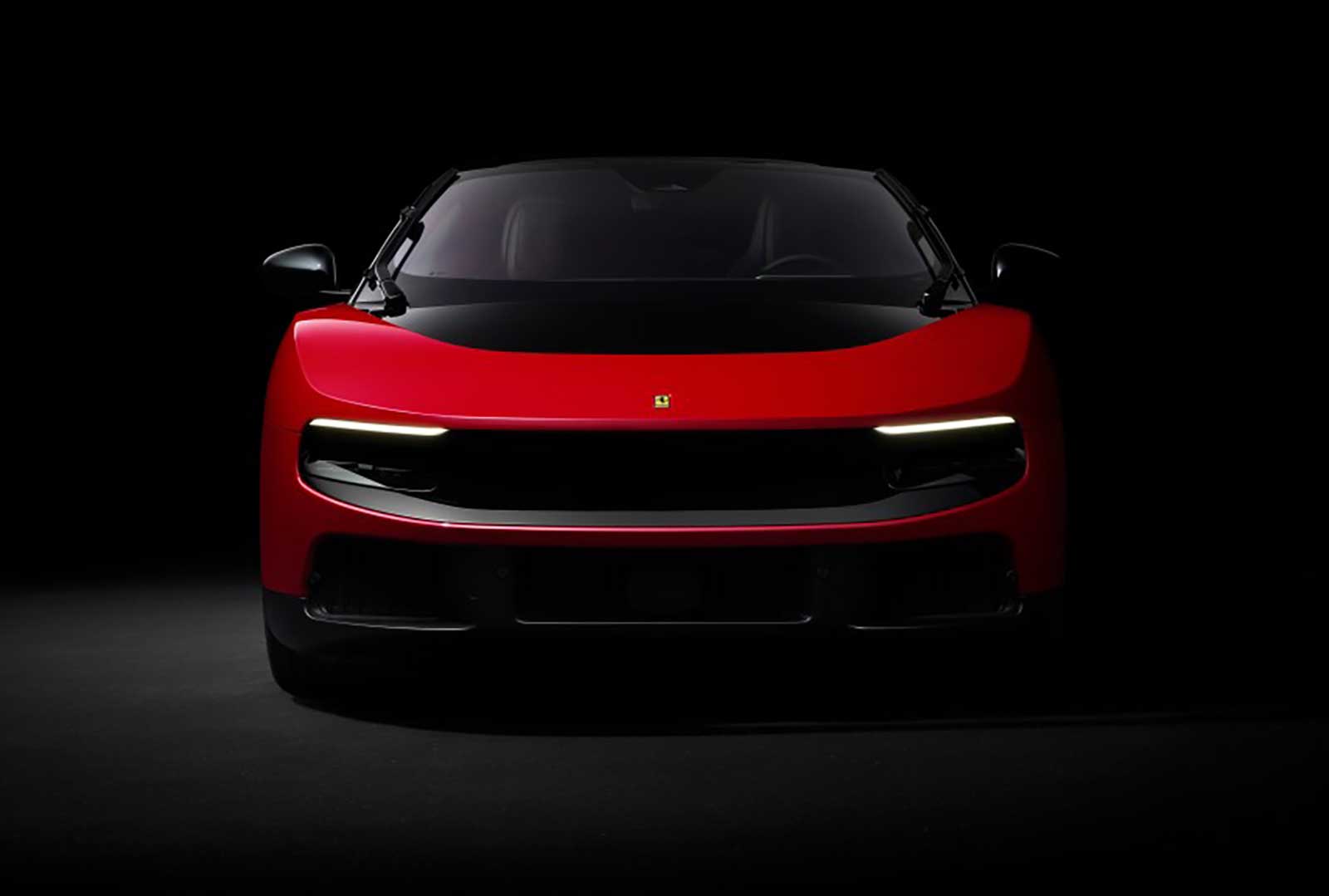
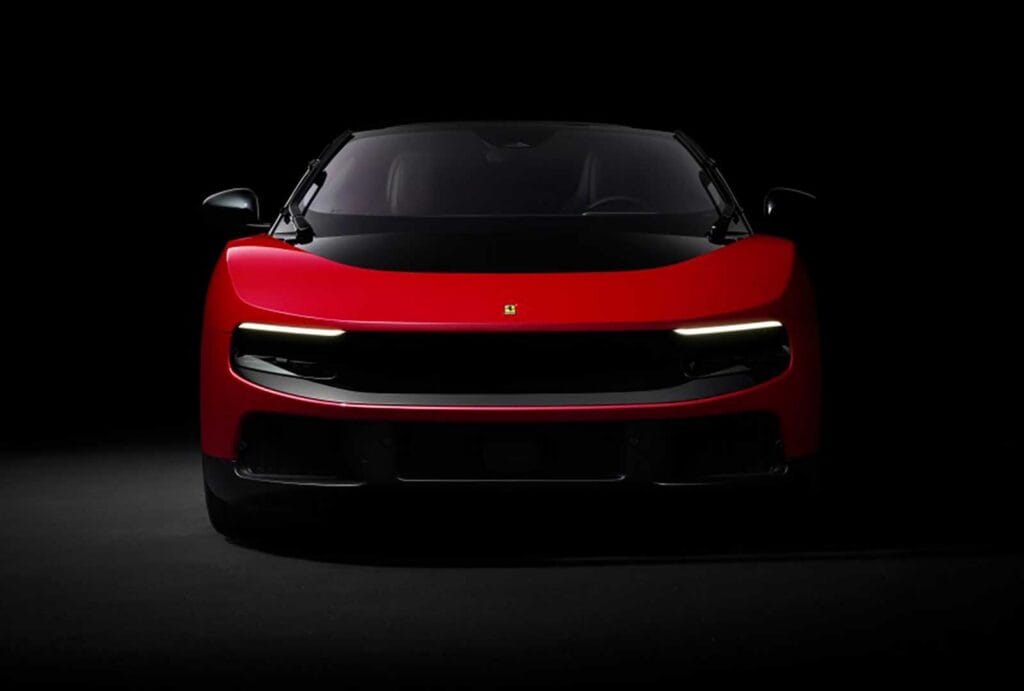
That comment either aged well or did not, depending on who you ask, as Ferrari’s first all-electric car, the Luce, co-designed by Sir Jony Ive and Marc Newson has been met with a wide array of emotions. No matter the reception, Ferrari said no once again, and yet they did the exact opposite.
First, it was no to an SUV. Then it was no to an all-electric Ferrari. And now, it’s no to an autonomous Ferrari.
Current CEO Benedetto Vigna recently said; “We will not make fully autonomous cars, loud and clear. We want the people to have fun, not the [computer] chips. We want to have a steering wheel and a man or a woman behind the steering wheel. Otherwise, why do you buy a Ferrari?”
Why would you want to buy an autonomous Ferrari? It is a status symbol and an experience. The future of autonomy will not be defined by who has the best technology; it will be defined by who has the best experience.
A $600,000 personally-owned Ferrari is an experience, and yes, there are people who will buy them. Just like there are people who take their Ferraris to the grocery store, simply because they can.
And yes, at some point, Ferrari will go 3 for 3. First it was no to an SUV, then an all-electric, and now autonomous. And guess what? At some point, Ferrari will say yes and produce an autonomous Ferrari.
Our Take: An autonomous Ferrari will be more profitable for the company than today’s traditional Ferrari, which already commands an average operating profit of $167,000 per vehicle.
With a six-figure profit margin in hand and the ability to charge for an Autonomous Ferrari Virtual Driver to drive their customers around in their $600,000 personally owned Ferrari, autonomy just became highly profitable, and for Ferrari, the brand was once again reimagined as times change.
Piquing Our Interest
Waymo’s New 100,000 Square-Foot Tampa Depot All signs point to Waymo getting closer to launching commercial service in Tampa, as Waymo recently signed a lease for a 100,698-square-foot warehouse near the airport.
Tesla Eyes Sin City Expansion Tesla has filed an application with the Nevada Transportation Authority for an Autonomous Vehicle Network Company Permit within Clark County, Nevada, including Harry Reid International Airport and Henderson Executive Airport. If approved, Tesla will soon be able to operate Robotaxis in Sin City.
WeRide and Uber to Launch Robotaxis to Madrid WeRide and Uber are planning to launch a robotaxi pilot in Madrid later this year, with Avomo providing fleet managment services.
Autobrains and Uber to Launch Robotaxis in Munich Autobrains and Uber are planning to launch a robotaxi service in Munich, pending reguatory approval.
Serve Robotics Expands into Autonomous Laundry Delivery Serve Robotics has begun delivering laundry on-demand in Los Angeles.
📰 Follow @RoadToAutonomy on X for our latest thoughts and insights on the autonomy economy.
Trending on X
60,000 Autonomous Rides and Counting
Avride continues to scale in Dallas on Uber, surpassing 60,000 rides since service launched. Now the question becomes, with a fleet of over 200 vehicles in the Dallas market, how many human driven vehicles operated on the Uber network during that timeframe and how many rides did they complete?
Our take: Now it’s time to compare the numbers. Uber, how many human driven rides occurred during this period, and what was the average number of times someone had to order and cancel to get paired with an Avride?
From Tracking Terrorists to Tracking Trucks: How a Former CIA Officer Built the Ground Truth Layer
Ryan Joyce, Co-Founder and CEO, GenLogs joined Grayson Brulte on The Road to Autonomy podcast to discuss how the intelligence community’s playbook is being applied to trucking, building a ground truth layer for freight.
Uber’s Europe Strategy, FedEx Freight Flips the Script, Undersea Autonomy Accelerates
This week on Autonomy Signals presented by KPMG, Grayson Brulte and Rob Grant discuss Uber’s OEM-agnostic robotaxi strategy in Europe, FedEx Freight CEO’s declaration that autonomous trucks are ready for prime time, and the AUKUS alliance accelerating undersea autonomy.
WeRide Is Catching Up to Waymo Globally
This week on Autonomy Markets, Grayson Brulte and Walter Piecyk discuss WeRide trying to catch up to Waymo globally, Waymo preparing to deploy Chinese-made robotaxis in Texas and the CEO of FedEx Freight’s open embracement of autonomous trucking.
THE ROAD TO AUTONOMY IN THE NEWS
Inside Uber’s strategy to avoid a head-on collision with autonomous cars – Fast Company
We took the less diplomatic position in this Fast Company interview and shared our view on the current state of the Waymo/Uber relationship.
If you read between the lines, I think the relationship’s over. At the end of the day, what type of company does Waymo want to be? We don’t know. But what we do know is that if you look at the last eight earnings calls, the amount of time that Alphabet spends talking about Waymo has dramatically increased. I think Alphabet views this as a winner.
– Grayson Brulte, The Road to Autonomy Founder as told to Fast Company, June 1, 2026
Read the full article in Fast Company