


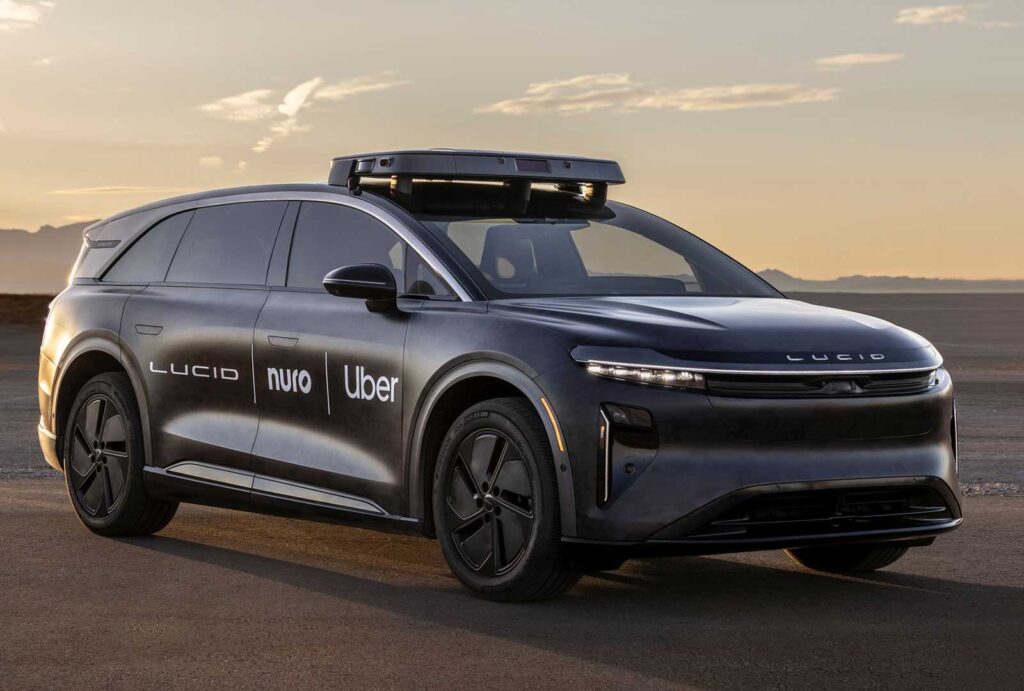
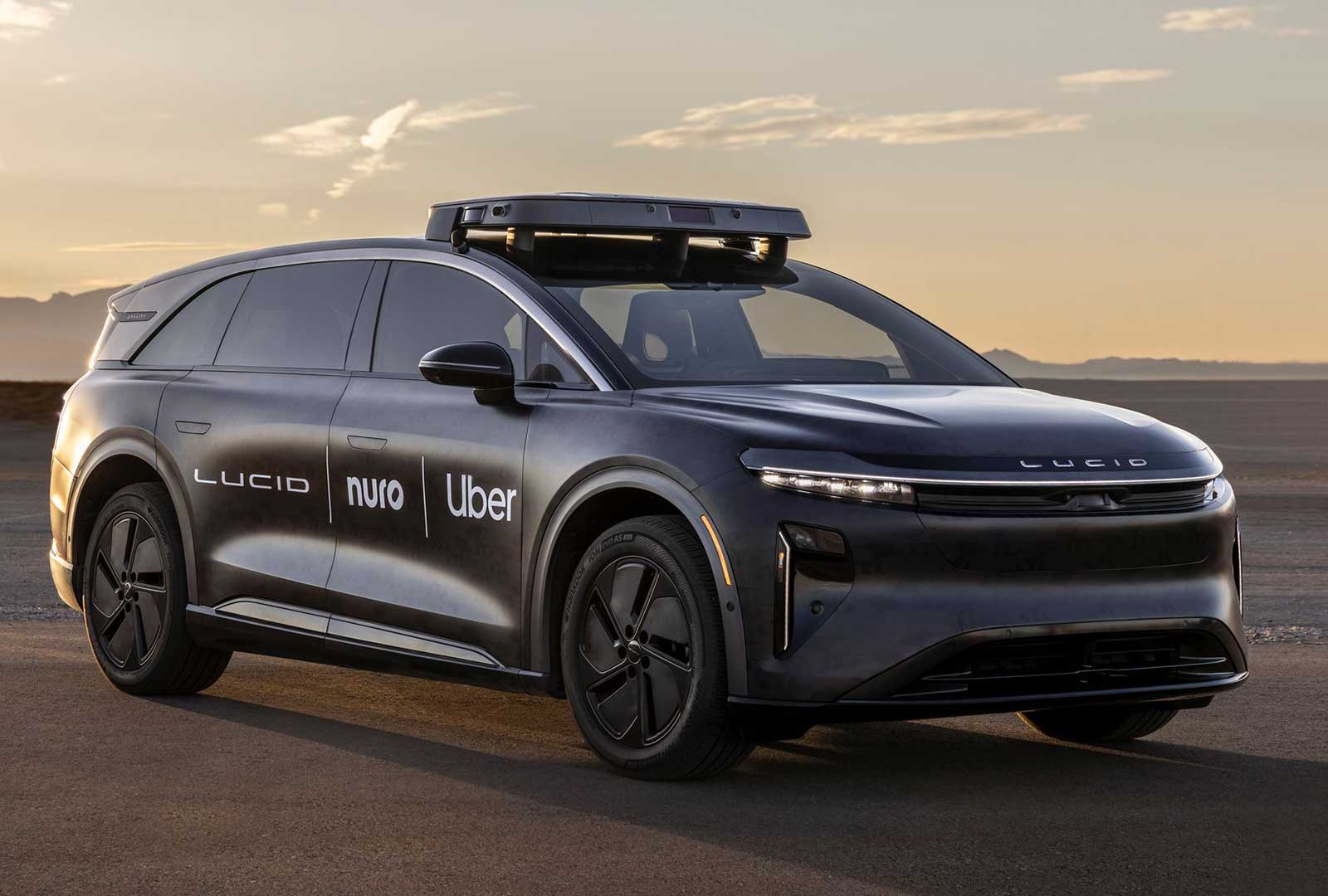
Uber's CEO argues the company can thrive as a robotaxi platform rather than face disruption from autonomous vehicle competitors like Waymo and Tesla.
The Road to Autonomy Perspective
If the two AV leaders bypass Uber to run their own robotaxi networks, Uber risks being cut out of the value chain, says AV strategist Grayson Brulte, author of The Road to Autonomy newsletter.
February 11, 2026
Uber’s CEO says the introduction of robotaxis will be good for its business, not the death knell that some investors fear.
Why it matters: Fifteen years ago, Uber was transportation’s Great Disruptor. Now the ride-hailing company itself is in danger of losing ground to competitors like Waymo and Tesla as robotaxis expand across America.
Threat level: Waymo just raised $16 billion to accelerate its global growth, while Tesla CEO Elon Musk says its robotaxis will be widespread in the U.S. by the end of 2026.
The big picture: Uber’s superpower, CEO Dara Khosrowshahi argues, is the efficiency of its global network — something standalone AV companies lack.
He’s positioning Uber as an “indispensable demand layer,” Brulte notes, with the company hoping to become the world’s largest facilitator of AV trips by 2029.
Driving the news: Khosrowshahi spent a big chunk of the company’s recent fourth-quarter earnings call defending its AV strategy, which involves a mix of human drivers and robotaxi partners operating on its network.”AVs fundamentally amplify the strengths of our platform,” Khosrowshahi told investors: “global scale, deep demand density, sophisticated marketplace technology, and decades of experience matching riders, drivers and vehicles, all in real time,” he said.
The intrigue: Early data suggests Uber’s ride-hailing demand is expanding, not shrinking, in cities where AVs operate, Khosrowshahi said — even in places where they’re not yet available on Uber’s network.
- As vehicle supply increases across ride-share, trips become more affordable with shorter wait times, he said. This improved experience has drawn in new customers and led to existing riders taking more trips.
- “The history of ridesharing has always been supply-led,” Khosrowshahi told investors. “With the benefit of learning from multiple AV deployments around the world, we’re more convinced than ever that AVs will unlock a multitrillion-dollar opportunity for Uber.”
Zoom in: Uber says its hybrid platform strategy — human drivers and AVs on the same platform — is the most efficient way to capitalize on that opportunity, in light of fluctuating ride demand.
- Robotaxis provide a consistent baseline supply of vehicles, while human drivers handle demand spikes at certain times of day, on weekends or during big events, for example.
- During slow times, Uber can even redirect AVs to deliver food for UberEats.Standalone robotaxi networks like Tesla and Waymo don’t have that flexibility, Uber says.
Follow the money: Robotaxi economics depend on high utilization rates.Too many AVs sitting idle, waiting for rides, is costly for fleet owners — and yet not enough AVs means missed revenue and unhappy customers.In Austin, Texas, and Atlanta, where Waymo robotaxis operate on Uber’s network alongside human drivers, Uber reported 30% more trips per vehicle per day and 25% shorter wait times compared with robotaxi-only platforms.
Viewing the competitive landscape, Uber is preparing for a world with a multitude of AV suppliers to fill up its network.
- Today, it has more than 20 AV partners providing rides, delivery and freight services on its platform globally.
- In the U.S., Uber offers robotaxi options in Atlanta, Austin, Dallas and Phoenix, with more markets and multiple partners to come.
- In the Middle East and Europe, it’s deploying AVs mostly with Chinese partners, including Baidu, WeRide and Pony.ai.
Just this week, Uber announced Baidu’s Apollo Go taxis will be fully driverless in an affluent section of Dubai starting in March.
The bottom line: Robotaxi technology has arrived. Now, it’s a battle for network control.