


Has Waymo Finally Solved Robotaxi Supply?
Executive Summary
In this episode of Autonomy Markets, Grayson Brulte and Walter Piecyk analyze Waymo’s potential deal to acquire 50,000 Hyundai vehicles, a move that could definitively solve the industry’s supply constraints. They also break down Lyft’s strategic launch of Baidu robotaxis in London and uncover a hidden detail in Waymo’s latest updates that suggest a return to autonomous trucking might be on the horizon.
Key Autonomy Markets Episode Questions Answered
Did Waymo secure 50,000 vehicles from Hyundai?
Yes, there are reports that Waymo has a deal to purchase 50,000 vehicles from Hyundai by 2028. This deal, valued at approximately $2.5 billion, implies a cost of $50,000 per vehicle, which likely includes the sensors and integration, signaling a massive cost reduction for autonomous vehicles.
Is Lyft launching robotaxis in London?
Yes, Lyft plans to launch Baidu’s RT6 robotaxis in London later this year. The UK government is accelerating regulatory approval, potentially allowing commercial driverless operations as early as Q2 or Q3.
Is Waymo re-entering the autonomous trucking market?
It appears so. A recent Waymo blog post included a hidden graphic of a Class 8 truck, which aligns with Daimler Truck’s release of a dual-redundant Freightliner Cascadia chassis in 2027. This suggests Waymo may be preparing to partner with Daimler again or use an upfitting model similar to Kodiak and Aurora.
Key Autonomy Markets Topics & Timestamps
00:00 Waymo’s 50,000 Hyundai Deal
Grayson and Walt break down the massive news that Waymo has secured a supply of 50,000 vehicles from Hyundai by 2028, a move that Walt suggests officially answers the question of whether Waymo can scale supply.
03:26 The $50,000 Robotaxi Economics
Analyzing the financial data, the hosts discuss the implied $50,000 per-vehicle cost. Grayson argues that if this price includes line-fit sensors, it destroys the bear case that autonomy is too expensive to compete with human-driven rideshare.
06:20 Zeekr & Waymo/Magna Mesa Upfitting Plant
The discussion shifts to Waymo’s second supply source: the Zeekr (Ojai) platform. Walt notes the “tens of thousands” of vehicles expected to move through the Mesa plant for upfitting, further bolstering the supply outlook.
10:11 Scaling to 750,000 Autonomous Vehicles
Walt revises his long-term forecasts, predicting that the industry could reach 750,000 autonomous cars in less than a decade—a number capable of taking significant market share from traditional rideshare.
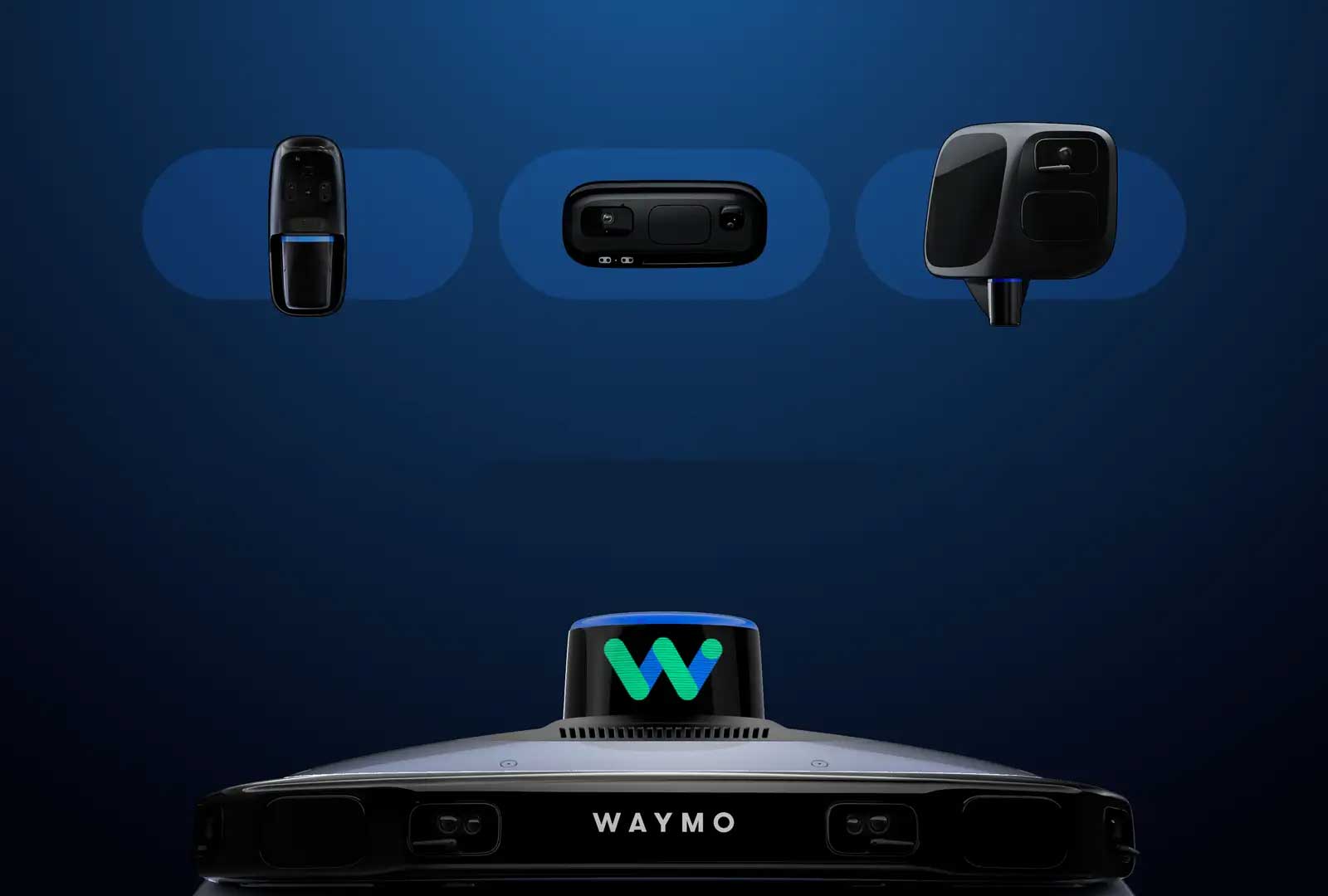
17:09 Waymo Gen 6: Custom Silicon & Improved Cameras
Grayson and Walt analyze Waymo’s technical blog post. They highlight Waymo’s move to custom silicon (bypassing Nvidia) and the emphasis on camera cleaning systems, which the hosts interpret as a direct critique of Tesla’s camera-only approach.
23:21 Uber’s Narrative vs. Waymo’s Reality
The hosts contrast Waymo’s 2,500+ vehicle fleet with the smaller fleets of Uber’s partners like Pony AI and WeRide. Grayson provides “ground truth” on the Chinese market, arguing that restrictions there make the technology less impressive than Western media reports.
28:09 Lyft’s Flexdrive Advantage
A look at fleet operations: Walt explains why Lyft’s vertical integration with Flex Drive could offer a 20% cost advantage over Uber’s reliance on third-party fleet managers.
31:52 Inspector Walt: Waymo’s Secret Truck Tease
Walt puts on his “Inspector” hat after spotting a Class 8 truck in a Waymo animation. The duo speculates on whether Waymo is preparing to re-enter the trucking market in 2027 using the new Daimler Truck’s dual-redundant chassis.
33:41 Aurora’s Pivot & Kodiak’s Marine Corps Deal
An update on the trucking sector: Aurora pivots to upfitting International trucks (mirroring Kodiak’s strategy), while Kodiak secures a major defense partnership with the U.S. Marine Corps.
41:39 Foreign Autonomy: Lyft in London & Uber in Dubai
The Foreign Autonomy Desk covers Lyft’s plan to launch Baidu RT6 vehicles in London and Uber’s deployment of WeRide vehicles in premium tourist areas of Abu Dhabi and Dubai.
45:09 The Regulatory Tide Turns
Grayson and Walt discuss the current regulatory environment for autonomous vehicles and NHTSA’s Automated Vehicle Safety Public Meeting upcoming in March and Waymo calling for D.C. residents to advocate for autonomous vehicles.
48:38 Hyundai: The Arms Dealer of Autonomy
In the wrap-up, the hosts discuss Motional’s return to testing and Hyundai’s pervasive role in the industry by partnering with Waymo, owning Motional, and supplying platforms, leading them to label Hyundai the “arms dealer” of the sector.
Full Episode Transcript
Grayson Brulte: Walter. It’s becoming a trend here in autonomy markets.
Walter Piecyk: Another week, another big week for Waymo, there’s news reports that Waymo has their supply.
Grayson Brulte: The question we’ll find out later, is Walt happy? Then we had earnings from Aurora, Lyft, and AVride owner Neibus, and there’s some news happening on the Foriegn Autonomy Desk that we’re gonna dive into. But let’s start with the big news. It looks like Waymo’s. Got their supply of vehicles. Is Walt happy?
Walter Piecyk: I don’t know if supply and demand are gonna quite be met. ’cause as you know, I’m very bullish on the demand for safe, clean. Reliable and predictable. Rides from autonomy. But yes, Waymo got cars. There’s a publication I’ve never heard of before called, I think you pronounce it, GasGoo. Um, hopefully they’re, they’re reliable. No one’s come out to really deny that this, but apparently there’s a, a deal in the works between Waymo and Hyundai to purchase 50,000 cars by 2028. So, look, we already knew that they were getting cars from Hyundai. It was, you know, in some of my expectations for the number of cars that Waymo was gonna have in 2026, we didn’t really expect them to hit, um, you know, production meaning, you know, line fit production of these cars till the very end of the year, early 2027. So this was definitively a new data point and a lot of cars, 50,000 by 2020.
Grayson Brulte: A lot of cars. And this week also there’s been multiple photos on X in Reddit of Waymo testing the Hyundais in San Francisco. So that’s a really good positive sign. What I’d love to see us get clarity on, are they going to be line fit, are they going to go to Magna? Are, are there going to be sensors? Are they gonna basically get shells? I’d love to get an official release from Waymo of how these vehicles are gonna start coming off and eventually. Will it be fully factory produced and being able to go into service minutes after coming off the line?
Walter Piecyk: A lot of great questions that popped into my mind as soon as I saw this story. Um, I still don’t think that you’re gonna see many out of them in 26. I think this 50,000 is mostly gonna hit in 27 and 28. For Waymo, I’m only expecting about 4,000 new cars for them to receive for this year. And again, only a portion of that to be the Hyundai, the arrest being Zeekr, and I think some residual volumes from, um, from Jag and just look to put this 50,000 in context, I, I had been forecasting for the entire industry in the United States, the entire autonomous industry, that by the end of 2028 there’d only be 55,000 cars total. At the end of, of, of 28 and some of our, our peers on the street, I think were even lower than that. And by the way, my estimate assumes very little from Tesla. That’s something I’m holding back on until I see how Austin, um, starts to scale. That’s obviously gonna be the turning point for Tesla. So that’s 50,000 alone, you know, from Hyundai is, is a big number relative to street expectations.
Grayson Brulte: I’ll summarize it this way, once we get official confirmation, probably in the form of a blog post from Waymo, I’ll declare that Waymo does threw the gauntlet down on the industry that 50,000 is a big number. The next domino to fault of to further strengthen their thing is it’s expand on that Toyota relationship. Now, Waymo’s cooking with a full tank of gas, or they’re electric, so a full charge.
Walter Piecyk: Cooking, cooking with ions. Uh, there were some financial data in there as well. They talked about, uh, a two and a half billion dollars deal for these 50,000 cars. Simple math would indicate that’s $50,000 per car. I’m guessing that’s just what they’re paying a Hyundai and that that wouldn’t include the cost of their sensors. What do you think?
Grayson Brulte: What we do know, Waymo has been actively working to reduce the cost of their centers in compute. And if you look at, you and I were to go buy a Hyundai Ionic five on the lot today with incentives, you could probably get one around 32 to 38,000. So based on that, there’s a very good indicator that the sensors are built into that. Again, we have no confirmation, but based on. At the retail pricing, there’s a very good confirmation ’cause you have a plus or minus $20,000 buffer.
Walter Piecyk: I mean, if that’s the case then, then what we’re talking about here is more likely a line fit situation where the, the sensors are effectively the sensor kit effectively purchased by Hyundai, integrated into the car and embedded into that $50,000 cost. Again, no idea. That would be certainly an interesting detail. And at that price point, I mean, I’ve run enough models to know that for all those that were questioning. The ability to drive a profitable business. If you’re talking 50,000 a guard with the sensors, obviously if it’s line fit, you’re not, you don’t even have to deal with that mesa plant in incremental cost there. That is a, that’s a great, I think number, uh, for Waymo to exploit.
Grayson Brulte: And what Waymo did, there’s a certain faction of retail investors instead of Waymo can never get it sub a hundred thousand. They just blew that narrative up overnight.
Walter Piecyk: Well look, I mean, that’s the type of type of stuff that I heard in starlink. They’re never gonna get their CPE down below a thousand dollars. I don’t, you know, you follow technology for enough decades. Uh, you know how prices come down as obviously that you scale up and 50,000. Great number. You know, still we’re gonna see materially larger scale over the years. So these are numbers, um, that I think can, that can probably continue to, to drop. But again, no confirmation of that. For all we know, the 50,000 does not include the sensor stack. A little more context there. Our friends at neuro, I think their sensor stack is probably 10, maybe $15,000 from what I understand. I mean, I think, you know, this is the kind of incremental cost, the ballpark that people should think about. , If they’re, they’re trying to question whether autonomy can challenge the economics of the human driven ride share market.
Grayson Brulte: If you, another thing that needs to be looked at, if you look at multiple analysts and banks that publish this data, what’s the cost of lidar? Down 98, 90 9% since the early days when David Hall founded Velodyne. So you and I know, and you know from your experience, this cost technology starts here, it goes and it goes down. Eventually it gets commoditized.
Walter Piecyk: Well, that was in the only news from Waymo this week. Grayson, as it relates to this topic that we’ve been, maybe more so me than you, but I think both of us have been focused on volumes. You know, Waymo had a, a, a post on their website, I guess you would call it, a vlog post, an update really just announcing six, six generation. There was a lot of stuff in there that we’ll get into. But let me first focus on what stood out to me Immediately. Tens of thousands of cars are gonna go through that Mesa plant. Again, so this is implying upfit. This is different than I think what we believe is the case with Hyundai tens of thousands of cars is what they’re ramping to. So in my mind, this, this is probably the Zeekr Zeekr, which is now they’re calling Ojai spell Hika J Um, these are Chinese vehicles. So I think there are some restrictions by commerce and, and about Tivy, you know, vehicle, supply chain and not allowing. Some of this, uh, US technology to be installed there. So these are gonna be purchased, you know, by, uh, Waymo taken to that plant, upfitted with these sensors. But to get to tens of thousands of vehicles incrementally now with Seeker again, just adds to this addressing the supply questions that, that we and I think many have had in terms of Waymo.
Grayson Brulte: I mean, I’ll use a simple silly term, Waymo’s Open for business. It’s very clear that Waymo is focused on scaling. I still do feel that the Zeekr, it’s not the Ojai, it’s the Zeekr. Rebranded was still an unforced error, but I really love the bullishness. Coming out of Waymo and the unsung hero that’s really enabled Waymo to scale over the years, in my opinion, doesn’t get enough credit, is Magna. Magna is one of the world’s best contract manufacturers, one of the world’s best upfitters. And the work that they’ve done on the JLR Jaguar I-PACE has been absolutely incredible. So no matter which way Waymo goes, if all factory, I’d love to see some sort of relationship with Magna continue because the engineering that Magna’s done has been top notch.
Walter Piecyk: So there’s no timeline on either of these things, right? So tens of thousands. I don’t think your Zeekr is gonna hit tens of thousands in 26. Like I said before, I don’t think Hyundai, those 50,000, I think a very small percentage of that. Hit in 26. With that said, with these two announcements, do I need to rethink my expectation for Waymo? Right now I’m at, I think I have the matting 3,500 cars in 26. More than doubling the number of cars they ended 2025, which was I think about 2,500. Do you think I need to rethink that and take that number higher Grayson.
Grayson Brulte: I do based on the announcements I do, but I will say that with the caveat, you could get some executive order from the Trump administration that effectively bans the OI that could affect. Your numbers, but the way it’s currently written, I would consider putting your number to 4,200 to 4,500.
Walter Piecyk: We will say, I’m, I’m not gonna, I’m not willing to do it yet. I wanna start seeing those Ojais actually turned on with customers, which has not yet happened. Right? We see them. There’s plenty of videos. Pictures of them on the road, but it hasn’t really been turned on. But like Tesla, you need that kind of hit that step before you start to scale up the the sensor installment.
Grayson Brulte: The Ojais. We did get an announcement, I believe it was next post, that they’re testing them with employees and, and trusted friends. If you want to use the term trusted friends, I don’t know the proper term to use that Waymo has invited to go in the vehicles. The other thing that we need to watch for with the Zeekrs, the Zeekrs will not be deployed in every public market that Waymo has. I believe based on the, the political narratives around the country, the Zeekr is we placed in more left-leaning states than right-wing states because of the China issue. So that’s something to watch as well. I’ll give you an example. If you look at the official announcement that Waymo made for a announcing the Denver market, it was announced specific language in photograph of the Zeekr. Does Denver become a Zeekr only market? Do we start to see that evolve? That’s something to watch as well.
Walter Piecyk: I said before in my coverage of the wireless industry in the early days, pre ebitda, pre-revenue, even to a certain extent, um, the early signs on things like units. Give you greater confident in your longer term estimates. So for example, like if I went back to, you know, 95 and I, and I tried to forecast what I thought the number of, you know, phones that people would have in their hands 10 years, I way undershot it, right? And it turned out being much bigger. And, and some of that came to realization as they started to roll out. So let’s turn back to these, these car levels. Again, going 55 was my estimate for end of 28. Clearly Waymo alone is gonna top that number. Getting, if you just kind of model it out, getting to seven 50,000 cars in less than a decade doesn’t seem like heavy lifting. And if you think about seven 50,000 cars in the us, which the context is ride share companies, Uber, Lyft, you’re talking about a 2.2 million million-ish range of drivers. Obviously aren’t on the road all day. So that seven 50 equates two to three times that size based on their availability. Now there’s peak hour things that have to be addressed, but I mean, that is a substantial number of cars. It could probably take, you know, half the ride share market in terms of miles driven half right now. Look, the ride share market as bulls have, have pitched, could expand dramatically. So it’s, maybe it’s less than that in a, in a much larger market, but. This is all happening in less than a decade. And I just wanna underscore, sorry to pick on it, but like, you know, in the last couple weeks and months you’ve had Darren and David richer out there, ta saying that they couldn’t scale the, the autonomous industry couldn’t scale for decades, plural. Decades. And you know, I think the, the, the trajectory that they’re on right now, um, is they can get to decent scale. That takes a substantial portion of a reasonable expectation in the market in less than 10 years.
Grayson Brulte: You’re seeing, and this is just me, I believe you’re seeing a massive disconnect in the market between myth and reality. And then when I say that you’re seeing Waymo scale at a pretty incredible pace. You have Toyota lurking over here, which everybody knows could scale faster than any company in the world when it comes to scaling vehicles. And to say that this technology is going to be delayed. It’s not. I’ll give you a wireless analogy. I’m gonna go way back in wireless world with you. I don’t know why I’m going there, but I’m going there. I remember Omni Point way back in the day with Omni Point in the GSM and there was A-C-D-M-A that Verizon said, oh, they can never scale GSM. It’s a European thing, and you know this better than I do. I was just a customer boy. Oh boy. Did that Omni point GSM network in America scale faster than I think anybody really imagined. The same thing is going to happen with autonomy. It’s not just Waymo, that lucid vehicle. They have the capability to produce thousands of those vehicles at the plant in Arizona. And when these vehicles come online, despite what the market thinks and what certain individuals on certain podcasts think autonomy is going to disrupt the traditional ride share market. It’s not necessarily gonna expand the pie. It’s going to really disrupt it, and I think it is next essential threat to the traditional ride share business.
Walter Piecyk: So as our listeners can see, we can barely contain our enthusiasm, um, that we got this news. Out of Waymo. Hopefully both of it, both of the things were reading properly. There was one small disappointment in, in, in this context of, um, you know, what came outta Waymo this week. The language in there made it pretty clear to me that Waymo has no intention to make their own car. I forget the exact quote. I, I think I tweeted it. If you can look at my Twitter account for the exact quote. So, my hopes for maybe Waymo going to a contract manufacturer and making their own car. Is dashed. So I think what’s next for um, for Waymo is, you know, getting an OEM and you, and, you know, I can already hear the criticism. Well, they just got 50,000 and they just got Zeekr. I hear you. But, you know, starting a process with a new OEM now it’s not gonna yield cars obviously for at least 18 months. Right. Two years maybe. Especially you if you’re looking for low cost line fit type implementations with Western. Manufacturers, I don’t think we wanna keep relying on this Mesa plant, um, in Phoenix, when you really wanna hit the scale, that’s gonna get to the 7 50, 7 50,000 cars that I, that I’m expecting in less than a decade. Much less than a decade. So that’s what I’m hopeful. I’m disappointed that they won’t just make it. That’s fine. Let’s get, let’s get another OEM on the tape. You know, they had that Toyota announcement that you referenced earlier. Nothing there that has come of it as of yet, but there’s plenty of other OEMs that. Maybe start starting to feel incremental pressure that, hey, they gotta, they gotta start thinking about autonomy. Even though EV was a kind of a bust for ’em, that autonomy could be their future.
Grayson Brulte: This is gonna be the future. I I, I will. Say, I know it was discontinued, but I was a fan of the Firefly car. You can go visit it at the Computer History Museum in Silicon Valley. It’s, it’s really, really cool, really great design, but it was the right decision to move away from it. As Cass or the CEO of Applied says, building and running a car company is a hard thing to do, and that’s not what Alphabet’s strengths are. And Casser, right? He, he was there for many years before starting apply. So I, I like that. If you look at the global automotive business. You have two companies that come to mind, both Japanese that I believe that could make moves. One, you have Honda. They, they were a former investor in Cruise. They liked the space they currently have in a relationship with Helm AI that vla, uh, is running. But so Honda could very much be in play and the other that needs to make it a, a strategic. Nissan. Yes, Nissan has the relationship with Wave for the Pro pilot too. That’s an L two system. However, Nissan does have excess capacity in certain Japanese plans to start ramping up autonomous vehicles. And why do I say Nissan Wal? There’s been reports over the last couple months coming outta Ni outta Tokyo that Nissan was looking to sublease those plants and or sell those plants to Foxcon to build frames for autonomous vehicles. So where there’s smoke, there’s fire.
Walter Piecyk: Grayson loves to cite the nikk. I’ve had, I’ve had mixed, mixed success with their, some of their information in the past. Now those, those are great ideas oems but, but Grayson, I’m gonna take it a step further and say, look, if Uber’s out there and others are saying, you know, the bull case is that this dramatically expands the ride share market. ’cause it, it’s lowering cost. Expanding. Expand the market, expand the market. That’s the mantra, right? It’s short term or long term. If you’re expanding miles driven, rideshare, dropping the cost like that is potentially taking away from private car sales, right? Reducing the fact that that second or third car in your in your garage is gonna happen ’cause you’ll just use rideshare instead. Otherwise, how does that whole concept of ride share market expanding, if you’re whiteboarding this at the OEMs, and I know you, there’s OEMs that listen to this. You have to consider that that is another pressure point. It’s not about just doing a Waymo deal to, to sell cars into the Waymo rideshare market. You know, which will represent, like if you know the X million cars a year, x, y percent are gonna be autonomous. It’s also selling to the end customers, selling cars in the future, having, you know, some type of autonomy included, even if it’s only available on a regional basis. Be necessary for you to drive revenue just from your base product. Do you agree or not?
Grayson Brulte: Yes, because I’ll cite the data to Cox Automotive. Automotive into Experian. Here you are seeing a trend in the United States. I’ve not looked at international data, so I wanna cite this. This is based on US data. You are seeing consumers, US households move from three vehicles to vehicles to one vehicle. You’re seeing them downsize as a way to cut expenses. It is a very real growing trend.
Walter Piecyk: Now let’s move on to the, the more meat of the Waymo Post, which was not the supply stuff that, that excites the two of us. Um, there was a lot of discussed. About the sensors, um, that are on these Waymo’s, what were your takeaways from, from that part of the Waymo Post?
Grayson Brulte: The sensors were interesting reading between the lines. Waymo talked a lot about the camera upgrading to a 17 megapixel camera saying they could do more with less because the high fidelity on that. That had a very interesting undertone to the way it was written. Did you pick up on that?
Walter Piecyk: No, I didn’t. What, what did you, what did you say?
Grayson Brulte: way it was written? Basically in Mrs. My opinion, they were taking a shot at Tesla and saying that their cameras are superior to the Tesla cameras.
Walter Piecyk: That’s possible. I think there were more obvious shots at Tesla. I mean, there was whole sections on how they’re, they have camera cleaners and you know, as our listeners know, and those that are following it closely, some of the cars in Austin have been spotted with cleaners. On cameras that don’t exist on my um, Tesla model Y. Right? So maybe that was a shot there. And obviously there was once again a full section on lidar. And then there was a tweet later by someone from Tesla, I think, on the engineering side talking about like, you know how this blog post, or this post by Waymo was talking about how you wanna get multiple data points or multiple sensor inputs to make your autonomy work, which is obviously the opposite. Of, you know, what the Tesla mantra has been is where some of these multiple data points can confuse and slow down the reaction. So, yeah, I think I didn’t pick up on the megapixel camera one, but I did pick it up, pick up that kind of under undertone on the, on the cleaners, the camera cleaners, and also the lidar section about it.
Grayson Brulte: , I’ll summarize it this way. The blog post was very crafty in terms of the language that we used, and it wasn’t just sensors. There was also language around compute where this is, I’m gonna quote this here. Waymo’s custom Silicon chips, rather than relying on multiple hardware components, that language was in there. That’s interesting. Not one mention of Nvidia custom silicon chips. Interesting.
Walter Piecyk: I mean, look, this is their, this is their thing, custom, right? Custom lidar as well. Obviously, they’ve claim in, in this very BOD podcast, or podcast in this very blog post. That they have, you know, even though their, their LIDAR is custom, that they’ve benefited from the drop in industry prices. I think some of the criticism has been like, oh, LIDAR is so cheap. If you should have just bought a third party, they’re claiming that they’ve benefited from those, you know, the reduced cost on the lidar. And then Nvidia stuff is like, obviously, you know, the, the counterpoint here is from Uber saying that the NVIDIA system. Is gonna effectively democratize and commoditize autonomy. So I think it’s, it was interesting for them to push their own custom silicon chips. Look, Google gets a lot of props given how they’ve turned around Gemini relative to the early threats of, of, uh, chat GPT. So I think you gotta cut ’em some, some, uh, some slack and some benefit here about what they can do on the custom silicon side of things.
Grayson Brulte: Alphabet’s an incredible, an incredible custom silicon shop. I play with the TPUs Walt for training purposes or data. The TPUs are phenomenal. The, the engineering that went into the TPUs is great. The other thing I’m gonna put on my wall hat here, when you’re building custom silicon, the costs go down. You’re not relying on the, if you wanna call it the Nvidia tax, their costs go down. So everybody looks at, oh, the costs for the compute, the costs for this. I’m gonna go on here and make a prediction. I think Waymo’s cost to build and operate. The Waymo vehicle today are a lot less than the market thinks.
Walter Piecyk: I mean, sure. But you’re then you’re just ignoring the billions that they’ve spent over the past decade to get to this point, to custom build everything. But sure, maybe it’s cheaper, uh, to go look with all this tech Grayson. I wanna understand they, they can do the custom ships, they can clean the cameras, they can get the 50 million megapixel, whatever, but they can’t get a door that closes. They’re now paying DoorDash to close the doors for them in the market. What’s going on with that?
Grayson Brulte: As much as I don’t want to omit it. No, I don’t like it. That’s why they went to the, the Zeekr design, so the doors can remotely close the way that, and you and I, when we were in Austin, we tested this. If you, if you, if you walk away, the vehicle can’t go through the door open so that they had to solve the door problem. So over time, I’m not gonna give a prediction of when, ’cause I don’t have any insight or any idea, but at some point, those Jaguar vehicles are all going to be discontinued and so they’re gonna go to models where the doors can close.
Walter Piecyk: I would hope if you’re spending two and a half billion dollars with Hyundai, that Hyundai can figure out how to put some type. The motor mechanism in there to close the door and perhaps a much larger, uh, reservoir for your camera cleaning fluids as well, that is gonna be needed. Some of those custom autonomy changes that are gonna need to happen for some of these cars.
Grayson Brulte: But that’s the fun thing about this podcast. You and I talk about all the, the nuances or the, you’re gonna call the nooks and crannies that go into operating this from cameras to cleaning, to to fleet management. We go through it all and I think we do a pretty good job.
Walter Piecyk: Now with all this Waymo News, you know, we talked about Uber’s earnings last week, miss in realities, but they were out there again, there was some podcasts and stuff and, and really talking up the partners. So I think it’s, it’s, it’s good to kind of like. Go through, you know, some of the partners that they’re, that they’re talking about saying like, okay, Waymo’s out there and they’re great, but we’ve got, you know, we ride an AV ride and pony and saying that, you know, like, we’re, they’re all there. Just for context, again, like today, Waymo has 2,500 plus cars, right? They, we think it’s about a thousand square miles of service. Area pony, which was I think brought up, has a thousand cars, so, you know, a thousand to 2,500. I think from, based on what I was able to see online in China, you’re talking about 1600 square miles. Now, Waymo already gets complaints, primarily pushed by Uber themselves about the wait times for a Waymo versus, you know, a human driver. So how is it working with Pony with a thousand cars and 1600 square miles versus Waymo’s, 2,500 cars with a thousand square miles? Like, is that, do we have more qualitative feedback on, on how that service is going and is that. I think ponies talked about going to 3000 cars a year end, and I think by my estimates that that, um, Waymo’s gonna be more than twice that in this mark.
Grayson Brulte: I will, I’ll use the term that this audience is familiar with. It’s behind the Great Firewall. What’s truly happening behind the Great Firewall? We don’t know. We did get some insight this week. There was a article published in Insider, Bryant Walker Smith, who’s a professor, university of South Carolina, went to the mainland to ride in vehicles. Well, the article was sparse on details. A couple interesting things. You had to be, and this is quoted in the article here, you have to be a Chinese resident to, to download the, the app to get in there. There’s a lot of restrictions of who can go in those vehicles. Not everybody can go in those vehicles. Another interesting from the article is that you’re limited. To the, the geofence, and they’re smaller than the western media thinks they are. They only operate at certain times of the day. The government could say, which I believe this one, okay, you’re shut down too much traffic. You can’t operate now. So when you get down to the, the nitty gritty, or I’ll use the term, the ground truth, I don’t think it’s as impressive as, as the market believes it is to be. ’cause when we, when you’re getting this ground truth, intelligence, it’s a little different than what the market’s interpreting.
Walter Piecyk: I don’t know if it’s the market. I think what we’re specifically talking about is what Uber’s pushing. Their defensiveness about the Waymo progress, about where Pony is, and I think they’ve listed May Mobility we’re familiar with where May Mobility’s coverage is in, in the, in the markets. We’ve obviously been in those cars. We ride another Chinese, uh, maker, a thousand cars 80 ride, which I think is 80 cars, is what they disclosed on their earnings report again, versus the 2,500 going to 6,000 going to tens of thousands a year. Um, which is Waymo. The other thing that’s, that I think to me is curious is. You’re out there like basically knocking down Waymo to a certain extent and pumping up Chinese car makers and you’re a US company and like, you know, at some point there is some sensitivity about, you know, the race to, to ai, which is like the race to 5G. And if you’re a US company, I mean they, they constricted NVIDIA’s ability to, at least to a certain extent, no longer to sell chips. You have a US company basically, you know, helping and promoting and, and partnering with these Chinese, Chinese car manufacturers while at the same time, like showing them in comparison to, to a great US company in Waymo and Google.
Grayson Brulte: I would summarize what you said this way. It’s an unforced error and frankly, it’s unfortunate where it goes. I don’t know. But I do think that you will see geopolitical risks emerge both in the uk, the eu in the us, around this technology of, of Uber accelerating the adoption of Chinese autonomy. But then Waymo’s not in the clear either. They have the seeker so. It’s, I mean, both parties have their, their own political risks based on strategy decisions they’ve made.
Walter Piecyk: so let’s transition to again, the third leg of the stool that I’ve talked about, the servicing of the cars. Again, in Uber’s defense, in, in many of these interviews, it it, it made it sound like, like their, you know, the part to scaling autonomy would be like, who’s gonna, you know, deal with all the software to figure out where the car should go or how many they should have or clean them. And it almost made it sound like. Uber owns the, the cleaning function. You know, as our listeners well know, these are all third parties, right? And there’s incremental expense when you’re going through an voma or, or move or whoever it is. Um, as a third party that’s very different than Lyft. And, and Lyft actually highlighted this on their earnings call saying that Flex Drive by having an in-house and focusing on this, will provide 20% of incremental savings. Now, we’re not saying like if it costs a dollar per mile or whatever it is. For a human, 80 cents for autonomy, it doesn’t take it down to 60 cents, right? It’s 20% of the 20%. Like, so it is small. But in a, in a business where, you know, you’re talking about bookings or EBITDA being a single digit margin on a bookings number, those, those little things matter. And I think this investment that Lyft is making, um, in Flex Drive is very different. Than what Uber is is doing in terms of third parties. And I, and I tend to agree that if executed properly, it, it can be a strategic advantage and one that that delivers greater margins. It’s just funny or, or interesting that it almost seems like Uber’s trying to leave people with the impression that they’re actually doing this. They’re not like these are, these are third party partners and in some cases I think, I think you the, from your video last week in Miami, one of their partners is, is. Servicing the Waymo’s in Miami, and that’s not gonna be a, an Uber partner for Waymo in Miami.
Grayson Brulte: You’re correct about that. That partner for Waymo in Miami is Move and Move, has an investor in Uber and they’re also partners. So a lot of interesting things go in there, but I wanna highlight the Flex Drive part. Flex Drive to me is a strategic asset. For Lyft, Jeremy Bird, uh, this week was on the Road to Autonomy podcast and I asked Jeremy, I said, could we ever see a scenario where Lyft perhaps does a partnership with Waymo or another AV company where they only use Flex Drive and his exact words, you can listen to it on the Road to Autonomy podcast. Possibly. That’s interesting. That could become a bus, a quite a business for Lyft if they wanted to accelerate that because. Nobody’s cornered the fleet management market yet. Move is trying their best, but it’s still an open market.
Walter Piecyk: Well, the market’s tiny, right? So there’s nothing to corner yet, but as it grows, they can be there and, and look, I’ve said this before for a long time, listeners. If you argue that like charging and servicing cars is a low margin business, like what do you think autonomy is Like? If you look at the margins on the bookings, this is a single digit margin business, right? I mean, it’s not, you are not, the revenue is like after the take rate. So, um, and again, an important component, the downside is like, look, flex Drive isn’t traditionally doing this. They’re, they’re gonna have to learn new skill sets. They’re literally just breaking ground in Nashville now, so we’re not gonna really know until later this year. And frankly, in terms of Lyft’s relationship with Waymo, like it’s gonna take, I think until 2027 for Lyft to prove out why that model that they’re doing with Waymo, which is not only servicing with Flex Drive, but also sharing the, the Waymo fleet, right? Not having a separate, like the way Phoenix works. Waymo has cars that go onto the Uber. The Uber platform. They have cars that go into the Waymo one in Nashville. It’s just one set of Waymo cars that go into the Lyft platform as well as, as the Waymo One platform. Again, we’re not gonna know probably till later this year. So best case, maybe end of the year early 27, you have an opportunity for Lyft to expand that. But again, it’s, it’s a model that we agree with. We just hope that, Lyft can execute and do it quickly.
Grayson Brulte: just when you thought it was safe to move away from the Waymo blog post. I had to put my inspector hat on, but it’s not my hat today. It’s your hat. You what? That me. Hey, you’re never gonna believe this. Look at what I posted on X. You saw a graphic inside of the animation. What did you see? Inspector Walt.
Walter Piecyk: I have to hat tip you as well. You can put your clappy hat on that you actually hit me and say, did you see the truck graphic in the Waymo Post? And I’m like, brother, you have not been watching my Twitter account because I posted that picture like half an hour, a half an hour ago. So you also had your inspector hat on and basically it was the section in the Waymo Post where they were talking about how like the Waymo driver is applicable to any number of cars and they’re flashing through different cars. One of them was a class A truck. So, you know, people that know this industry know that they’ve had trucking before. I think they already have an OEM partner in Daimler. I don’t even know if that’s been, been, uh, terminated, but Wow. That was, that was interesting. Do you think we’re reading too much into this?
Grayson Brulte: I am reading in that I like you being an inspector, so I put the clap hat on to give you a proper clap. Listen, as I said earlier, that post, the blog post from Waymo was extremely well crafted. I’ll say it this way, that graphic inside of that animation was not put there by accident, and to me it’s even more strategically interesting. We know based on public filings that Diler Truck is going to release the dual redundant Cascadia in 2027. We also know that prior to shutting down Waymo via Waymo had a public partnership. With Daimler. Why is that important? Because a chassis to scale becomes available to the public in 2027, so there’s perhaps a little bit of interesting timing in that post.
Walter Piecyk: It could be. I mean, look, you know, earlier this week we had, uh, one of their effectively competitors in this space, Aurora, you know, do a, a bit of a pivot after they had some issues with Paccar, who was a OEM partner, um, are now gonna be upfitting. Um, international trucks, this is international, is a, an actual partner, an integrated partner with plus ai. So, you know, I mean, I guess Waymo can theoretically do what Kodiak has done and then what Aurora has effectively copied, you know, literally with the same upfitter inro by just buy trucks and then upfit ’em with the Waymo. I mean, that’s what they’re doing in Phoenix now with, with, um, you know. With the Jaguars and I guess with the Zuckers, and, you know, maybe they don’t have the same type of volume demands that, you know, that the cars have. Like, to put it in context, Aurora’s talking about doing, I think they say about 2020 trucks a week that they’re gonna purchase from international and then they’re gonna upfit, again with Roush, which is the same upfitter that, that Kodiak is using for their trucks.
Grayson Brulte: So if they’re purchasing ’em from from international, do they just go into the local international dealer and buy ’em or any insight to how that relationship looks?
Walter Piecyk: I think they’re buying them directly from corporate. I don’t think they’re buying them from a dealer, so it’s not, I mean, you could argue like, you know, if it’s through corporate, why aren’t they having the same restriction that Paccar had, meaning that Paccar forced Aurora to have that person sitting at the driver’s in the driver’s wheel. I guess a different type of integration. Obviously they’re not using any proprietary parts. Um, but I, so it’s, it’s, look, there was an international person at the Plus AI Investor Day and talking about how, you know, they can’t really, it’s challenging maybe to have multiple integrated partners, so, but I’m sure they’re, it sounds like they’re fine with just selling. I mean, they’ll sell whatever it is, a hundred or 200 cars this year, even if Aurora then transitions. To line fitting using, I think what’s Continental and maybe either Volvo or maybe PACCAR finally gets on board that they’re gonna continue to upfit international trucks again, 20 a week. They’ve got, you know, they’ve got big aspirations. They, they, at their investor day back in 24, they talked about 1,000,000,004 target, I think, of revenue in 2028, and they’re exiting. At what, an 80 million run rate. So there’s a lot of, a lot of ground between an 80 million run rate, which is their target for this year, and 1,000,000,004 in 2028. So they’re gonna need to get a lot of these, a lot of these trucks on the road. So it, it is gonna progress towards integration. Um, but at least for this year, you know, it’s, it’s basically doing the Kodiak, copying the Kodiak approach of upfitting. Again, we’ve, we’ve went down this thought process like, why couldn’t Waymo do, do the same thing and just buy. You know, buy some trucks and, and, and, you know, upfit ’em with the Waymo driver.
Grayson Brulte: Waymo can, and it just, as you said, it just validates what Don Burnette and Kodiak strategy was at the end of the day with upfit because. If I was playing a drinking game with the, the Aurora call partner, requested driver observer, I’d be hammered by the time the call was over. And if you look at the restrictions that the PACCAR placed on Aurora, it had a lot of impact on ’em. And if you look at buying what they’re doing now with internationals, you clearly heard on the earnings call, there’s not those restrictions there. So there is nothing to stop Waymo from doing it. The only thing is, is. Infrastructure. ’cause Waymo, I mean, they can go get the real estate. They have a great real estate team. They don’t have any of the, the old real estate left from Via, that was all, uh, acquired by wbe, believe it or not, the Texas facility. So they’d have to go start getting real estate
Walter Piecyk: there’s clearly more to this trucking business than just buying a truck. And I mean, you gotta actually sell it. You have to, you know, create the areas where you drop it off, you know, no matter what you say, the truck is different in terms of its size and where it’s driving. So, you know, it’s interesting. I think we wouldn’t go over the top in terms of. The impact to Aurora. But it was just something, you know, since we have done trucking here and we have talked about Aurora and Kodiak, um, something to shout out. By the way, Aurora, that’s not the only thing they had to say. They talked about how they’ve now kind of solved, I guess, rain fog, heavy wind driving at nights and they expanded their lanes. They added seven lanes, um, you know, over the quarter to quarter now. I didn’t see seven new markets, so I’ve, I’ve had to educate myself on, on what a trucking lane is now. Now I think you’ve been, you’ve gone to Forward Fort Worth More than me. Why don’t you describe to me what you think a lane is and I will tell you the reality or tell you if you’re right or wrong.
Grayson Brulte: I’m not Lee White, and I’m not Jim Mullen. So I’ll, I’ll give you my my best humble opinion of Elaine. The most obvious, most well-known lane in the autonomous trucking world, Dallas to Houston. I view that as a lane.
Walter Piecyk: Right. So what’s interesting here is I’m gonna, I’m gonna express it in East Coast terms, not Dallas terms. Let’s assume that, um. New York to Philly is a lane, right? And then we assume, and by the way, there’s two, ’cause it’s both ways. So New York to Philly is one lane. Philly to New York is in another lane. So there’s two now, let’s say Philly to dc there’s one lane, DC to Philly, there’s another lane. Now we’re up to four. So it turns out that if you went from New York to DC, that’s another lane. That is another new lane. And then back again. Is a sixth lane, so five and six. So even though the actual roads that you’re on are 95% the same, maybe 98% the same, you’re just passing by. When you’re going from New York, you know, down to dc you’re passing by Philly. That is counted as another lane. So I learned something new. Apparently this is like the industry standard. Maybe our, our friends over at JB Hunt and others can, can affirm that yay or na nay. Um, whether that’s true, but it, it gave me a, a better, um, I guess idea in how these things are gonna scale. At the end of the day though, for Aurora, it’s gonna be getting those 200 trucks signing up revenue generating customers and, and starting to ramp that revenue, um, to reduce that cash burn.
Grayson Brulte: And the other thing for Aurora, which I believe the technology is ready, is removing the observer. They remove the observer and they start running those hundreds and thousands of miles consistently back and forth 24 7. Then things start to get really interesting, and then I do believe you start to see autonomy accelerate, because then at that point here in the United States, you will have two companies operating commercial driverless trucks. With no human in the cabs, Kodiak and Aurora, and that’s a really good sign for the industry.
Walter Piecyk: I mean, but that is the case. The 200, the 200 trucks that they expect this year. Again, these are the upfit, um, uh, international trucks are not gonna have a driver in there. So, and obviously they do. Like, that’s the whole point. Like that, that is what we’re trying to get to. Was there more? Was there other trucking? What did, what did Kodiak have to say in response to all of this?
Grayson Brulte: Kodiak announced a partnership with the United States Marine Corps. We’re on the, on the, uh, sorry. Kodiak announced a partnership on the United States Marine Corps, where they’re gonna adopt their technology to the rogues platform. Pretty good there. Their defense business is booming. If you see public statements and press releases outta the Department of War, the budget for the Department of War is getting big, and a lot of that’s going in technology. So this could be a very interesting catalyst for Kodiak as they expand their defense business.
Walter Piecyk: There’s also just. So much Val validation for Don Burnette, the CEO, because there was some level of attacks about, you know, upfitting versus partnerships and how important partnerships are. And here they are. And you know, Aurora, who many have pushed this concept as the leader in the space. Maybe they are, maybe they aren’t. It’s Upfitting, right? With literally the same op pitter that that Kodiak is. But anyway, let’s move to the foreign autonomy desk. Um, and I think, let’s start with Lyft. What news do we have from Lyft on the foreign autonomy desk
Grayson Brulte: We are going to one of the world’s great cities, London. Lyft and Jeremy Bird not to talk about The Road to Autonomy podcast. Discuss this in great detail. This year on, uh, Lyft will be launching the Baidu RT six Robo taxis in London. We do not know if it can be in Westminster, city of London. We don’t know where in in London proper, but we do know that they will be launching this year and pending regulatory. Updates. Now this gets interesting on the regulatory front because the UK government de, despite the the, we wanna call it the upheaval in the Prime Minister’s office, is moving the timeline up to deploy commercial driver out robotaxis in London. Originally it was gonna be Q4, signs are pointing. It could be Q2 Q3. The UK government is starting to get very bullish on this technology, so good sign for Lyft there.
Walter Piecyk: I mean, and Baidu is a company that, that is obviously of interest. I mean, I think they also had an announcement this week of, of that the robotaxi service is gonna be launching on, excuse me, Uber this month in Dubai. Um, obviously Dubai and um, I think has multiple autonomy opportunities there. But just like Abu Dhabi, there’s gonna be dedicated AV tier in the Uber app. Um, so look, and you know, obviously Uber doesn’t own third party. We know the third party person there, new Horizon. So again, that’s how the Uber model works, whether it’s US or overseas. So, du you know, definitely obviously one of the leaders to watch in this space.
Grayson Brulte: And the other thing that we learned on that release, they’re going to be launching in the Jumariah area. A high concentration of taurist areas on the golf’s a really good strategic position to launch. Because if you know the geography of Dubai, it’s very separated, so very good going area there because it goes into my whole theory tourism based on this launch in the Drew Moriah area. It is clearly based on tourism, but I don’t wanna poke the bear or a needle. But why in Abu Dhabi in Dubai can you get a, a dedicated autonomous vehicle tier, but you can’t get one in other markets.
Walter Piecyk: that’s a good question. Maybe it’s supply. I don’t know. I mean, you know, if you’re getting Baidu, maybe they’re able to supply many more cars than Waymo is in the, in those partnerships. And that could be it. But I think in Uber, the, the other partner that they have, I believe is We Ride, who just launched commercial service in Abu Dhabi.. Does that also go into its own tier in Uber as far as you know?
Grayson Brulte: Now this gets interesting in the official Uber press release, no mention of dedicated tier in the official. We ride release mention of dedicated tier. Interesting there. Another good point to point out, the vehicles will be operating in downtown Abu Dhabi and they’ve al also publicly announced that they were operating on, on, on Yaz Island, which is where the Warner Brothers, the Ferrari world, all the entertainment is, and most of the really good hotels are down, are downtown. By the mosque and the UAE, uh, presidents, uh, presidents, residents. So really good geographic region. Again, why do I bring that up? That’s for majority of the tourists in Abu Dhabi spend their time. So these are being strategically deployed in those locations.
Walter Piecyk: The president’s residents. That’s pretty good alliteration there, Grayson and well done on that. Um, so that was a good foreign autonomy desk. We also have. A regulatory desk. Didn’t we have a special name that we were gonna use for the regulatory desk? Have I already forgotten? I thought we had a good name for that. Or maybe that was something else. But in any event, wired Magazine, yes, they still exist, is talking about asking residents of DC to pressure officials. I loved seeing this because this is exactly what I think is ultimately gonna happen to our poor friends up in Boston who have the teamsters and the mayor and everyone else, I guess, against. Bringing autonomy to Boston, it’s, you know, at some point you’re gonna have to, the citizens are gonna see what’s going on around the rest of the country and the world and, and demand it. And, and I don’t know, I, I kinda like the fact that Waymo is, is trying to drum up that support. What do you think about that policy strategy, Grayson?
Grayson Brulte: Waymo’s getting aggressive and I like it. And they’re not taking no for an answer and. I like it is going to work. I don’t know. I’ll say that. I hope it works, and I will say this for the record. I think that autonomous vehicles for Washington DC are great and going back for the third time to charm. They’re great for tourism. If you want to go visit the Washington Monument and you wanna go have dinner in Georgetown, what’s a better way to connect you than in a Waymo? It’s a really great experience. I could see a business being built where you can go see the sight and sounds of dc. In a Waymo great opportunity. DC is a great district, if you want to call it that, the, the true name, but it’s a city district, really good, and I hope Waymo is successful because the special interest shouldn’t stand in the way of progress.
Walter Piecyk: Clearly not the administration that’s the problem in, in DC in this, uh, scenario. It’s the local officials. But that’s a good segue to what we heard out of NHTSA this week, which they’ve scheduled a meeting on March 10th. Um, uh, to basically provide updates on the ongoing automation activity across NHTSA. Um, they’re gonna feature keynote addresses from DOT leadership panel discussions on automated driving systems, and I guess this dates back to some meeting that they did in, in November where they got some initial information. So it feels like the drumbeat for, you know, some type of national framework continued to, to beat on there.
Grayson Brulte: It’s, it’s a positive sign. Mr. Morrison, the nits administrator will be giving remarks. There will be a workshop that is open to the public. You can register on the nitsa website or the Federal Register to go and attend and voice your opinion. About this technology. You are right. We are starting to see positive momentum from a regulatory standpoint towards autonomy and me putting on my policy hat, do you know how, do you know how the autonomous vehicle industry wins this? You make it United States versus China and you will have bipartisan support on that, and that’s how you ultimately get this across the finish line.
Walter Piecyk: I like it. So we have a couple cleanup items., I shouldn’t call them cleanup items, but just to make sure that we cover the diversity of autonomy. Um. Neibus is the, is the owner of AV Ride. We already talked about the, the fact that they’ve disclosed having 80 cars in the market. That’s impressive by Avride., As you know that we’ve, we have our own video of AV ride. Check it out. It’s one of our most watched videos on autonomy markets, um, of what that experience was like. So we hope to get down there and tested it in a commercial. Scenario as well. They also have the, the robot delivery business. We also have video of that and those robots, and they’re very smart robots, but they disclosed that they surpassed 316,000 deliveries, deliveries, not robots, deliveries in 2025. Um, and in Q4, the robots delivered three times as many deliveries per day versus Q3. That’s so a tripling sequentially. That’s pretty, pretty solid. You know, obviously we’ve talked about serve robotics and, and them hitting milestones. It’s funny, like someone was, you know, there was a, a podcast that someone did with, with, um, with Uber and they were saying, oh yeah, you know, the, you have this, this great, um, oh my God, why am I blanking? The name of it, sorry. So there was a podcast this week. They were talking about the neuro relationship. We love the neuro team also scaling those Lucid, which is a car that I love. Great. But they’re like, oh yeah. And what about like Uber Eats and the, and the Uber robot? Like, yeah, no, that business is is not happening. Just ’cause it didn’t work for Nuro, I think they were before their time. ’cause it’s on road delivery doesn’t mean it’s not happening for AV ride, for Serve Robotics, for Coco, I think is in this space as well. It’s one of those spaces that’s kind of on the side, but like it’s also an important element of autonomy.
Grayson Brulte: It’s, it’s very important element. When I was down in Miami quite a bit, testing out the Waymo stuff. I can tell you the serve robotics and the cocoa robotics are everywhere, and they’re really good, good. They serve a purpose and they have a market wind at their back because I truly believe, and there is data to back us up that can, consumers are tip fatigued. They’re tired of tipping. You don’t tip the robot. So I think that’s gonna be a and and a really good win for those companies. While there’s the wind at the back wall of the autonomous robot delivery companies, a company from the past, they’re back. I can give you that. Here’s Johnny, but here’s Motional. Brad Templeton put up a piece on Forbes that announced that. Motional is now testing driver out with safety attended, very similar to the Tesla in the original days in the passenger seat. So they’re, they’re on their way coming back tested in, in Las Vegas. They’re owned by Hyundai. They’re testing the Ioni fives. And let’s not forget, Hyundai also has another autonomous driving division called 42 Dot, that uses camera and radar, but no lidar. And then they’ve got the relationship with Waymo Hyundai seems to have. Their hands in a lot of pies, and I’ll use your partner, has this great term Arms dealer to discover the media companies that wanna sell content. Does Hyundai want to be as your partner? Rich Greenfield says an arms dealer for autonomy.
Walter Piecyk: I mean, Hyundai, the name keeps popping up. I mean, it used to be two years ago. We talk about Toyota and all their partnerships, may mobility. You know, they had their relationship with Aurora. Um, you know, obviously that press release with Waymo, but Hyundai, Hyundai is the name. Hyundai is the autonomy, the autonomy player, and I don’t know, Meina, maybe you getting enough? Hyundais, those Iion six. You decide to buy one for yourself, for your personal ownership. Good advertising, you know, for their car.
Grayson Brulte: Good advertising, great engineering. Now, what do we need to look for in the market next week?
Walter Piecyk: We didn’t talk really about Tesla once, so I think it’s time for Tesla to give us something to talk about next week. There’s been some back and forth in terms of, you know, people getting some, some robotaxi rides over the past week. So let’s, let’s see, let’s get some evidence of, of them adding cars and maybe, maybe, uh, getting some of those cyber cabs, you know, unleashed. In Austin, maybe not this week on the cyber cad, but at least start to drive some of the volume on, on the Model Ys, , in Austin. That’s, that’s obviously something that to keep an eye on.
Grayson Brulte: Well, we’ll be watching the data and analyzing the markets each and every week. The future is bright. The future time. The future is scaling Walt. Until next week.
The future is bright. The future is autonomous. The future is The Road to Autonomy.
Subscribe to This Week in The Autonomy Economy™
Join institutional investors and industry leaders who read This Week in The Autonomy Economy every Sunday. Each edition delivers exclusive insight and commentary on the autonomy economy, helping you stay ahead of what's next.