


Tesla’s Robotaxi Scale Plan, NVIDIA’s Autonomy Ambitions
Executive Summary
This week on Autonomy Markets, Grayson Brulte and Walter Piecyk discuss Tesla’s Q3 earnings call, NVIDIA’s strategic partnership with Uber, and GM’s surprising return to autonomy under Sterling Anderson’s leadership.
Key Autonomy Markets Episode Questions Answered
What is the significance of the Nvidia/Uber partnership, and could Nvidia become a direct competitor in the autonomous vehicle sector?
The partnership is to develop an autonomous driving stack, which is seen as a significant positive for Uber as it builds fragmentation and gives it a powerful new option beyond Waymo or Tesla. Grayson and Walt speculate this could be a precursor to NVIDIA becoming a direct competitor. Grayson predicts that Nvidia will eventually acquire an autonomy company (like Wayve) and leverage its “software powerhouse” status, not just its GPUs to license a complete, certified stack, which could accelerate the entire industry.
What is GM’s new “in-house” autonomy strategy?
GM has announced it is building an in-house “hands-off, eyes-off” system, with a target of 2028 for the Cadillac Escalade IQ. This move comes after they hired Sterling Anderson (formerly of Aurora and Tesla), who stated he would not have joined if GM “wasn’t committed to autonomy”. The company is reportedly on a hiring spree, even bringing back many of the original Cruise engineers to work on this new internal program.
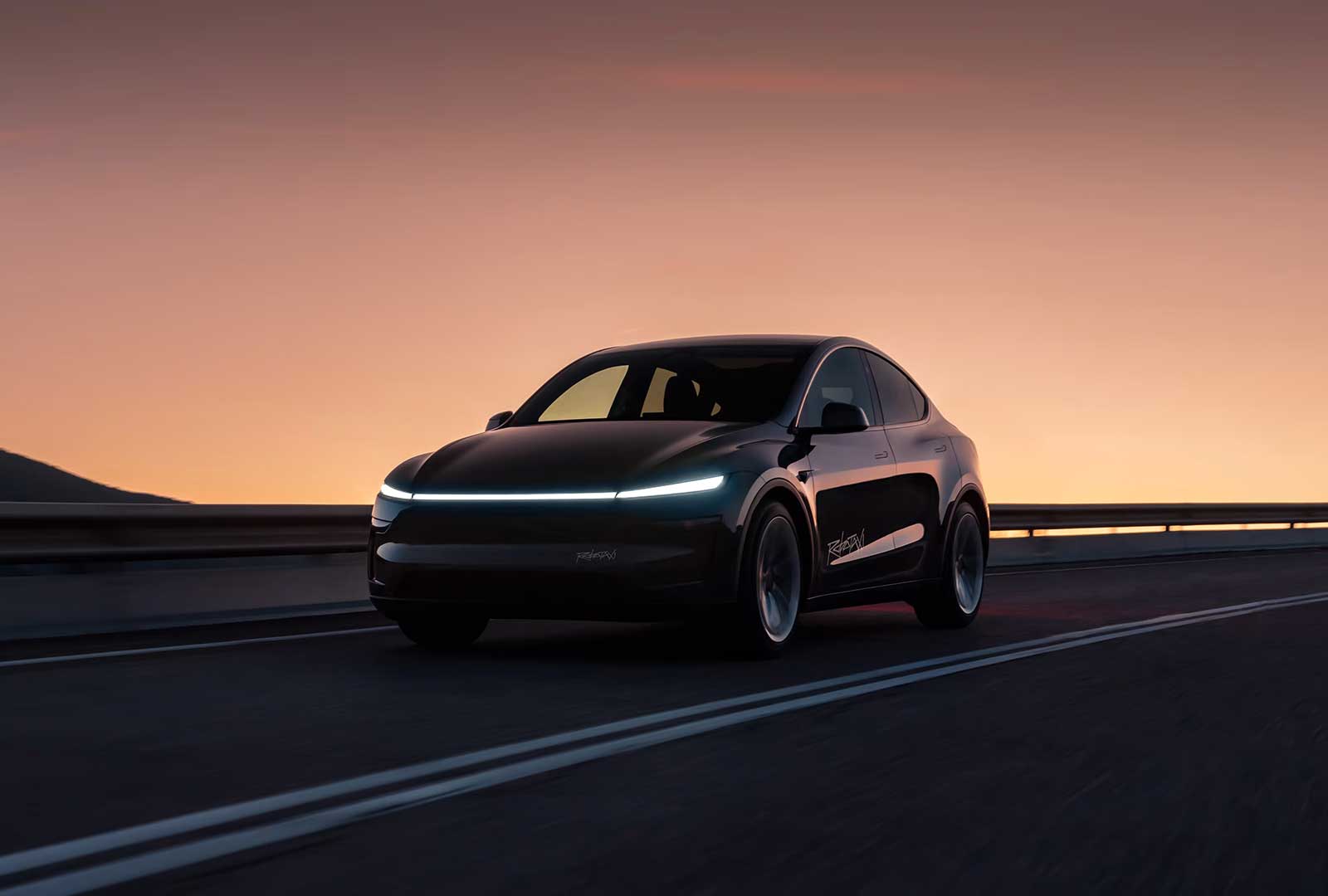
What is the strategic advantage of Tesla’s “stealth” design (no bulky sensor stack)?
Grayson and Walt discussed two main advantages. First, the car “blends in” and is not an obvious target for vandalism, citing incidents where highly visible Waymo and Cruise vehicles were attacked or set on fire. Second, from a human psychology perspective, consumers are accustomed to a “normalized” car design, and the lack of bulky sensors may reduce anxiety and make them feel more comfortable using the service.
Key Autonomy Markets Topics & Timestamps
[00:00] Tesla Q3 2025 Earnings Call
Walt discusses his goal on the call: to represent the Autonomy Markets listeners and get clarity on the robotaxi advancement, not just vehicle deliveries. He confirms Elon Musk validated the prediction that the driver attendant will be removed in Austin by year-end , though Musk hedged by stating it would be in “large parts of Austin”.
[02:00] Tesla’s Robotaxi Scale & ODD Expansion
Grayson predicts Tesla’s Austin fleet could reach 300 vehicles (plus or minus 50) by mid-2026 and will likely include Model Ys and potentially 25-50 Cybercabs. They also break down Tesla’s plan to expand to 8-10 new markets, including Florida, Arizona, and Nevada, by the end of the year, noting this will be a “methodical approach” (city by city) rather than a mass fleet activation.
[05:00] The “No Sensor Stack” Advantage
Tesla highlighted the benefit of not having a bulky sensor stack. Grayson agrees, arguing it makes the cars less of an obvious target for vandalism (citing incidents where Waymo and Cruise vehicles were torched or attacked) and feels more “normalized” and comfortable for consumers who are used to a traditional car design.
[09:00] FSD 14 vs. FSD 13 and “Reasoning”
Walt confirms with Elon that new FSD versions are first released to increase safety and reduce interventions. Comfort and smoothness (are built in as the software matures. They also touch on FSD 14’s new “reasoning” capability, which Grayson describes as giving the car a “brain” to make its own decisions, like waiting for a parking spot.
[15:00] Nvidia-Uber Partnership: Will Nvidia Buy a Stack?
Nvidia and Uber have partnered to develop an autonomous driving stack. Walt sees this as bigger news for Uber, as it provides fragmentation against Waymo and Tesla. Grayson predicts that Nvidia will eventually buy a stack (like Wayve) and license it, leveraging its software powerhouse status beyond just GPUs.
[23:00] GM’s Autonomy “Flip Flop”
GM announced a 2028 target for a “hands-off, eyes-off” system in the Cadillac Escalade IQ, built in-house. The hosts call this a “flip flop” after GM killed its previous robotaxi program. Grayson notes that GM has been on a hiring spree, bringing back many original Cruise engineers, and new product chief Sterling Anderson is now the public face of the effort.
[28:00] Waymo at the Newark Airport
Waymo is now testing at Newark (EWR) airport, working with the Port Authority. Grayson speculates about a future integration with United Airlines, which has hubs at both EWR and SFO, though Walt finds this “farfetched” and believes Waymo is “way too big” for an exclusive airline partnership.
[32:00] New Segment: The Foreign Autonomy Desk
The hosts introduce a new segment to cover global news. This week’s updates include: Baidu’s Apollo partnering with PostBus in Switzerland , Uber and WeRide launching a fixed-route shuttle service in Saudi Arabia , and May Mobility receiving a “significant investment” from Grab for expansion into Southeast Asia.
Full Episode Transcript
Grayson Brulte: Walt, It was another busy week in the atomic markets. Every time we think there’s a slowdown, it only picks up. This week we had the Tesla earnings call. I tune in and lo and behold call coming from Walter Piecyk of Lightshed Partners I said, holy cow. Walt’s on the Tesla call. Then we had a big milestone from Avride. We had the announcement of an Nvidia Uber partnership. Then GM signaling that they’re going back into autonomy. And Waymo’s look into more airports. But let’s start with the big news, the Tesla earnings call. And I might say, Walt, you’re famous now. You did the great work for our listeners and viewers. How was the call?
Walter Piecyk: that’s what I was trying to represent, the interest of really everyone that listens to this podcast because not really as concerned about deliveries as I am about the advancement of robotaxis. And, and also to a, to a certain extent, optimist. ’cause that will hopefully service these cars at some point. And we did learn something, uh, on the call, you know, from my questions in part. Um, just getting more clarity on what happens after driver comes out in Austin. There was validation in, I think the prediction that I’ve had here, that by year end we’re expecting that driver attendant to come out. I think actually on the earnings call, I, hopefully I said it as driver attendant. I know that’s been our kind of language that we’ve been trying to use here, and that was. That was validated on, on the call, Grayson. And so what do you think about that? Do you think that they can, I mean obviously Elon has given milestones in the past. Some of them met, some of them not. What do you think do you think we’re gonna see that attendant come out of in Austin by year end?
Grayson Brulte: You did good, Walt, for the record, you did good. And you, the technical term that you used was safety attendent, and that term was used by Mr. Musk in typical Musk fashion. He hedged, which very smartly, he said Large parts of Austin. We’ll have the safety attendant removed what the large parts mean. I’m unsure because on the call Mr. Musk also stated that they’re gonna expand Austin. So what do you think? Is it the ODD today because I believe they’re gonna do it, or is it, is that what’s gonna be, or what do you think it’s gonna be?
Walter Piecyk: I mean, even if it’s a, unless it’s like a very tiny ODD and even the very initial one that we tested. And we have videos on, in Austin, I think it was, was sizable enough. Even if it’s that and you have the, the safety attendant out, that is a very big milestone, I think, for the company. And I think what’s going, what our expectations are for this industry. And I think at that point you move on to like, what are the next things to expect in Austin?
Grayson Brulte: So the next things to expect on the call, we found out that they’ve driven in robotaxi a quarter million miles. To me, I’m looking at when do they cross a million miles. When do we start to see numbers around the fleet increasing? That’s what I’m really looking for. What are you looking for?
Walter Piecyk: I mean, for me it’s scale and it’s a lot of the stuff that we’ve talked about as it relates to Waymo and how Waymo has outsourced this to move and others. And you know, I think initially the way Tesla is approaching this is like, let’s build it here first. That doesn’t remove the opportunity for companies. Like move and others to be, to be that third party that can charge and clean these cars in the future. But initially it’s gonna be Tesla and I think it’s a scrappy company. And if you go back to the earliest days of Tesla, they were literally making cars in tents. So I think, you know, if they get that safety attendant out in Austin, and my guess is next prediction, you know you’re gonna have maybe a couple hundred cars by the middle of next year in Austin. You know, maybe a gating factor is that service function, but I think it’s a company that’s scrappy enough to figure out, even if it doesn’t have like a moove type investment like we saw and we have video of in Austin itself, um, that it should be enough to be able to, to handle that. So I think that’s kind of what happens next. After you get this attendant out, what do you think that, what, you know, what are your views? Like what, what’s your June of June 30, 2026? How many car, how many Tesla? Robotaxis are in Austin.
Grayson Brulte: if you’re looking at June 30th by the end of June, and let’s hedge and say 4th of July, I’ll give you a prediction. I would say 300 vehicles plus or minus 50 on either side, and I’m gonna say those are the model Ys. I also do think that you very well could see, depending on NHTSA regulations and exemptions, 25 to 50 cyber cabs in that fleet. Austin, so I believe that Austin is going to ramp up. Furthermore, I believe that you are gonna see an expanded ODD in Austin by that time. While Austin ramps up on the call, we got even more clear indicators that eight to 10 markets are coming online with Florida, Arizona, and Nevada all coming online. By the end of the year, it’s very clear that Tesla’s ramping up quickly. How do you see those markets rolling out?
Walter Piecyk: I also think in those eight to 10 markets, you might include additional cities in, in, uh, Texas, um, to hit the eight to 10. But aside from the states, uh, that you mentioned, but I think the process is gonna be, you know, you’ll start with a safety driver or safety attendant. For some period of months. And again, I think that was addressed on the call because of my question, um, on the call. And then, you know, same thing as, as I think we’ll see as Austin. So Austin will be kind of this kind of rolling effect. So this goes back to what we talked about earlier on this podcast, is this concept that some of maybe the more bullish people had, which is like, oh, once it’s unlocked, you just, every Tesla is turned on. Every market’s turned on. Like, no, there is a more methodical approach. That goes back to the culture of safety that I think exists at Tesla and that they don’t get, um, as much credit for. The other thing, um, that was talked about on the call, grace and not as part of my q and a, now that I’ve patted myself in the back seven times for that, um, was in the earlier comments when they were saying that there is a benefit in Austin about not having a sensor stack. And this was one of the primary points you made in an earlier podcast. I, I was, when he was talking about that, I was, I could see you, I could almost. Envision your grin about saying, yep, I told you so. ’cause I think we debated this and I was more on the sensor stack side of it as being beneficial, but they were pointing out that this is, uh, you know, a benefit to them. So what was your reaction to that?
Grayson Brulte: A clap and a, are they listening to autonomy markets? I had to ask myself that, and I went out and I opened a bottle of champagne because I had. Celebrate ’cause hopefully they were doing that. I think it is a very, very valid point, whether they’re listening to, to us discuss it. But if you look at market data. I think this is very important ’cause this hasn’t been discussed. We saw in Los Angeles during the riots that they had in downtown la, the Waymo’s were torched. They were on fire. There’s multiple photos of that. And then we saw during the No Kings protest, Waymo turned off downtown la The reason I, I, I bring those incidents up. Waymo has learned that the vehicles with their, if you want to use the term bulky sensors. Clearly a target. If you’re going to quote unquote target a Tesla, how do you know which, which one’s a robotaxi and, and which one’s not robotaxi it, it blends in, it makes it less of a potential target. And then let’s, let’s even go back further in, in, in the rewind history. Let’s go back to cruise. There was this video and I wanted to make a video of it, but I couldn’t because of copyright violations where there was an individual in San Francisco that hopped on top of a cruise car and was hitting the lidar sensor with a hammer, and the lidar sensor won. It’s like from the clash, I fought the law and the law won. It’s like I fought the lidar and the lidar won and that’s what happened. So it’s, there’s a clear target and Tesla’s right with this.
Walter Piecyk: I, I think there are comments where broader than just, you know, attracting the, the attention of bad actors, which I still think that over time. That’s gonna become a smaller issue for a variety of reasons, which we don’t need to digress on now. But I think the issue, I think the point they might have been trying to make is that as a consumer, you might feel more comfortable getting into a more normalized car, and there might be some anxiety factor getting into a car that has all these bulky sensors, which is kind of reverse logic than what a lot of people think in that. Oh, the, the lidar is gonna make me feel more safe when I’m getting in that car rather than less safe. So it’s like, it’s basically taking that narrative in reverse and saying, without all these sensors, the consumer feels, um, so in that feels more safe. So in that context, do you think that’s true or not? Like what do you, what’s your view on human, human behavior there?
Grayson Brulte: Human psychology tells you for the last 50, 60 years, cars have been prevalent and consumers are used to a design. They’re used to the comfort of that design. It’s something that they’re accustomed to. So I think that, uh, Tesla is right in blending and it’s something that considers, oh, okay, the car drives itself this is great. There, there’s no major changes. Where if you look at a, a Waymo stack, why does it need all this? Why does it need all this? I think that it starts to raise a lot of questions. We don’t have data to look at. I’m just giving you my personal perspective, but I think that they’re right.
Walter Piecyk: Now I’m gonna go back to patting myself on the back because here on autonomy markets, you know, we get a bit wonky sometimes on the technology, talking about FSD 14, which is the new software for early adopters or whatever the early access program they talk about, but thankfully. I have the, uh, I have the ability to do, maybe not as broad of an interest, but an important one because it speaks to the broader private ownership of autonomy. And I got Elon to talk about kind of, is the FSD software different in Austin than it is? In terms of, you know, what they’re using with what we just got in 14 and I actually mentioned like there is a different feel to 14 than there is to 13. And he talked about the fact that like, yes, when we first launch a new software, it is to increase safety, reduce interventions. And then as that software matures. They build in some more of that, , comfort level before it’s more broadly I think released. And I think that’s what I’m experiencing, where the car is just more aware. Like, you know, if there’s a car, there was a car coming down to an intersection very fast and my Tesla now at software FSD 14 like was what hit the brakes. Like that wasn’t happening on 13. But it’s because perhaps the safety perception there is greater and it’s just gonna take a couple of more versions of that. In order to feel, so it was good to get more color on that. And also to know now that I think what’s happening in Austin is not a separate, um, software technology. It’s, these are things that are effectively the same, just at different, uh, you know, points of, of maturity. So that was good to get that, um, that feedback. They also talked about reasoning, but I’m not sure what that means. What, what was your interpretation of, of Elon talking about how reasoning is coming as, as part of software 14.
Grayson Brulte: I’m gonna give you a very simple, non-scientific, non-engineering answer. The car has a brain. The car’s gonna be able to make decisions on its own, and we heard on the earnings call the example of the parking lot spot park in this spot. If, if you can tell the car’s coming out okay, then we’ll wait, put our blinker on and pull in there. So I’ll, it is my understanding based on the call and, and working with LLMs, that is going to give the vehicle the ability to autonomously, no pun intended, make decisions on its own.
Walter Piecyk: I think one of the examples he gave was the reasoning of dropping you off at the front of the restaurant and then going to to park at at a certain location. Just to also, just one final point on this, like, yes, of course I got another version of FSD 14. This is.one 0.3. To me it, there wasn’t really many differences. I know, I think online you’ve heard people kind of like gush about like, oh, it’s so much smoother. This like, that has not been my experience. Like there’s still, you know, some of those breaking things that had happened. It’s not as much as maybe the very first version of 14, but it’s still exists. I’m not gonna deny that these people are experiencing this like smooth thing. But 14 is definitely not the smoothness of 13. And I think again. That experience was validated by, by Elon on the call saying like, yeah, this is part of the process that FSD goes through until it gets to that, um, that level of comfort. You know, as they develop that software,
Grayson Brulte: as a Tesla owner, I was very thankful you were able to get clarity on that. And Tesla’s starting to give a lot more clarity on FSD, the development and the milestones that we learned on the call. FSD has a 12% uptake rate with 6 billion miles driven. What do you think from a Tesla owner’s perspective. Is it gonna take to increase the adoption of FSD from 12% to say 20%?
Walter Piecyk: That’s a good question. ’cause I thought FSD 13 was great. So to the extent that you give a free trial, and then that, you know, there’s conversion on that after the fact. ’cause it works really good. I thought should have driven higher penetration. I told you, you know, this is a recent purchase for me or a new purchase of a think on a past podcast I said that, that the sales channel needs to do a better job at educating and pushing the consumer to, um, tell them about FSD. Maybe it’ll take a little advertising, you know, to get this, to get this out there. I know that’s not something that Tesla traditionally has done. But, you know, 12% I think could clearly be higher given, you know, the quality experience that they can deliver with 13. And I think what now, what fourteen’s gonna, you know, is gonna provide, like with 14, with all the complaints about. Some of the braking, it’s still amazing to get sit in your, in your, garage, press a button and have it take you end to end without, you know, doing anything else.
Grayson Brulte: we all know you’re a football fan and you love your beloved Eagles and you are rooting for them to go to the Super Bowl. So what if Tesla ran a Super Bowl ad your car can autonomously drive you to the restaurant park on its own, pick you up and take you home all without having to touch the wheel. Could that be that moment that that sparks it if they did advertise it that that adoption rate.
Walter Piecyk: I mean, when we’re talking about advertising, we’re not talking about digital advertising. This is like a branding exercise where Super Bowl is, you know, and television, you know, is part of it. Obviously television is in. Significant decline. So you identified one part of television, which is not, which is the NFL and whether it’s Super Bowl Sunday or during NFL weekends, then that’s probably a good opportunity for them to do branding if they’re willing to spend that type of money. I mean, I think a lot of times these, these technology companies are, or you know, these guys are tech nerd that just believe if we make the best technology, people will come to it. And there’s some validity to that. But I think like Google’s a good example with YouTube tv. On the advertising front that they think that, oh, we built the best ad tech and we’re just gonna get a bunch of of ads coming in. And anyone that has YouTube tv and when you get those moment of Zens tells you that they may maybe need to do a little bit more than just build the best tech for, for the advertisers.
Grayson Brulte: if you look at some tech companies become brands, NVIDIA’s become a brand, everybody follows. And this week we had news that Nvidia had teamed up with Uber to develop an an autonomous driving stack. To me, the question for you, Walt, is this Nvidia signal and that they want to compete in this space, is this Uber signal and they’re gonna go deeper into the ecosystem. What do you make of this announcement?
Walter Piecyk: I think this is obviously bigger news for Uber than it is for. Nvidia and, and Uber stock on the, on the announcement of this was up 3%. Um, I mean, Nvidia partners with everyone on their grandmother, T-Mobile, you know, had, um, Jensen in an event that I, that I was at. So everyone’s using Nvidia, , for that halo effect. And in this case, what Nvidia is doing, like we know that Nvidia is in a lot of these autonomous startups that we’ve talked about on this, on this podcast. So. All they’re doing here is saying like, okay, we’re getting more data from these Uber drivers for this Nvidia drive system. So, and that’s a positive for Uber to the extent that it builds fragmentation in the market. But you highlight another potential issue here, which is like if, let’s say you’re an autonomous company, Nuro or whoever, and you’re paying Nvidia, and this is a quote unquote close relationship in, in some cases Nvidia, but what if then Nvidia goes out and buys a company or develops their own autonomy stack? And I think. We’ve seen court documents where Nvidia showed interest in, in, what was it? Uh, Zoox prior to, it getting purchased by Amazon. So I mean, it’s kind of like friend info like you have with any big technology company. Whatever happens in that regard, it’s positive for Uber because obviously the concern with Uber is that Waymo relationship is still undecided. The Tesla relationship seems like a non-starter, so to have a major player like Nvidia, you know, kind of push this process forward, whether with third party autonomy companies or in their own stack is gonna be a positive for Uber, regardless.
Grayson Brulte: If you look back at acquisitions, NVIDIA’s made over the years, they bought James Wu and Mark Wheeler’s DeepMap. When they started moving deeper into mapping. You’re right, we had the Delaware court documents that they, one, they looked at investing in Zoox, then two, according to court documents as at acquiring it. And so I’ll go out here on the record. Nvidia goes, goes here and, and, and they invest in folks and they, and they cut this GPU investment deals. At, at some point they’re gonna buy a stack and they’re gonna license it there. I said it, it, it’s gonna happen at, at some point. How does the market react when that happens
Walter Piecyk: So by that, for our listeners, what you’re meaning is if they go out and buy Wayve, like who’s we think a leader and, and someone that’s already a partner? Um, with Nvidia, how does the market react? I mean, you know, very positively. I think for Uber, because of the Nvidia brand, I think to a certain extent rivals Google, Waymo, um, as well as, Tesla., I don’t know, like if Tesla really sells off there ’cause it’s almost a validation of the autonomous market. And same thing with with, I mean Google Waymo’s only one subset of Google. It’s not necessarily bad for Waymo. Again, it’s a validation in the market, but it’s good. I think for Uber, it’s probably problematic, , for a bunch of the other autonomous companies, not because Nvidia is gonna know how to do this better than let’s say, Nuro or May Mobility or whoever, just because this is the way the market is. They ev Nvidia has such a halo, such a strong brand. Obviously tons of capital available to it. It’s obviously gonna make it more difficult on the capital raising front for the other companies that Nvidia doesn’t buy. And by the way, from NVIDIA’s standpoint, if you do that, aren’t you potentially risking, you know, selling your compute and other products, your drive software into these other companies? That’s why, even though maybe they went after. Zoox initially, it might not be the best strategy for them right now, unless they’re just saying like, look, you know, our stack has to be the winning stack.
Grayson Brulte: I’ll push back on that. One of the, everybody from Nvidia says GPU, GPU, GPU. Yes. I get that. That’s part, that’s only half of what Nvidia special sauce is. The other half that’s not talked about outside of, I call technical circles. Software. Nvidia is a software powerhouse. It is great to write on those chips. If you go back to the days when NVIDIA was battling with ATX what separated NVIDIA from ATX and the GPU battle was their software and the CUDA platform, the ability to write on top of that if in Nvidia, took a very similar approach to it to autonomous driving. Bought a Wayve, put a NVIDIA certified software layer, and then allowed other companies to build and develop on that Nvidia could accelerate autonomy much further than than you and I have envisioned today.
Walter Piecyk: difficult topic again, let’s take Nuro. They use Nvidia Drive, I mean, excuse me, the Thor, which is the system on the trip, but they also use the Drive os, which is the operating system. So does Nvidia or does Noro, excuse me, continue to use Drive OS if Nvidia goes out and buys Wayve, like, I don’t know, like maybe they, maybe they’re kind of, they have to ’cause it’s the best system on the market and they end up competing with one of the suppliers. Again, it’s only one cost component. From what Nuro or any of the various other autonomy development companies that are out there, um, are using. But I mean, and maybe Nvidia just doesn’t care and it’s like, look, we make good stuff. We’ll continue to sell it. We can, you know, sell this product and, you know, Qualcomm can sell phones and, and sell chips and then license, um, stuff and to, to other chip makers. So I, you know, maybe that, um, that does exist. We’ll have to see. And I guess, you know. While there are risks, it does seem like Nvidia is one of these companies that’s kind of like, take all, this is like the new tech thing. Like do everything. Um, you know, it’s almost like open AI with, with Johnny Ive like, do we make a device on top of just having, you know, what we’re doing with LLMs?
Grayson Brulte: There’s risk, but there’s also opportunity if you stay on the risk and opportunity theme. Uber continues to invest in the AV ecosystem. This week’s it was announced along with partner Neibus group that they’re putting $375 million into Avride. You and I experienced a, a driver out ride with Avride in Austin, and we posted a public video of it. We were thoroughly impressed. We know that Avride is getting ready to launch on the Uber Network driver out with a safety attendant, but no driver behind the wheel in Dallas this year. And Baliaji, the head of investor relations from Uber, posted a photo this week showing the depot. So Uber’s continuing to take that risk reward model.
Walter Piecyk: just to be clear, Nebius is the owner of of Avride, so they’re just putting more money down to its effective subsidiary. Um, Nebius is like, is like a core weave type company and the stock has done well as, as a result. , So this is one of their subsidiaries and yeah, you’re right. I mean, we’ve been at Avride. We like the product. We have video that. Our listeners can watch on YouTube. And, you know, they’ve hit the milestone, right? I mean, they’re testing. It seemed like they were on track to do that. And it goes back to what we’ve talked about Uber before investing in these third parties, and having that type of fragmentation in the market that that will hopefully benefit them long term. Again, the, the major investor concern here is like, does all this matter like five or 10 years from now? Are there gonna be, you know, 1, 2, 5 autonomous, uh, companies and regardless of what’s, what, how these early investments are gonna be and who are those companies gonna be? And everyone can make their own own decisions on that. In the meantime, we’ll continue to, to test these, these cars and, and cheer on their, their development and, and proliferation in the market.
Grayson Brulte: To me, I’m looking at this from a capital allocation standpoint. Uber has put hundreds of millions of dollars into a variety of companies in the autonomous vehicle space. Why not just, let’s say cumulatively, and I don’t know the, the total number, let’s say cumulatively it’s a billion dollars. Why don’t they just bring back ATG and build their own in-house program?
Walter Piecyk: Diversified risk. I mean, you’re spreading, you’re spreading bets across the board. Why, why bet everything on your own, which I think is a good segue, um, to our next topic, which is OEMs that rather than partner with the great technology companies that are out there. Are trying to do stuff internally and maybe working with companies like MobileEye to develop their own internal one. And the latest news we have on that is an often talked about OEM on this podcast because of our friend Sterling Anderson, , you know, talking, all of a sudden they’re back and, and talking about autonomy again. What, what, can you kind of review that, that info for us, Grayson?
Grayson Brulte: There’s the great line. Here’s Johnny. Or it could be, here’s gm. GM announced this week, 2028 in the Cadillac Escalade iq. They’re doing a hands off, eyes off system. Pretty impressive, all being built in house. And then an interview with our friend David Welch over at Bloomberg Sterling Anderson said that highways first. Urban next, and they’re gonna do robotaxis as well. Key takeaway there along with personally owned the gm, looks to be coming back with a vengeance.
Walter Piecyk: But as a reminder, GM is this company that was like about to launch a robotaxi. And at the very last minute, decided not to and pulled it. And now, and then they, they hire a guy from Aurora, one person. Right. I don’t think we’ve seen a rash of new hires, but all of a sudden, like they’re back on the roadmap for, in this case, I guess a privately owned SUV. Like how that, it just feels like fits and starts. And how do you take that in incremental information Seriously.
Grayson Brulte: So to clarify for the record, uh, they have been on a hiring spree. Mr. Anderson has done several interviews and there is public data from Glassdoor and various other LinkedIn data to prove it. But GM has been on a hiring spree for autonomy, including hiring a lot of the original cruise engineers back.
Walter Piecyk: Hiring the, the same people that were, that were there before back, so. Is so Mary Barra the CEO o like basically kills this program. They bring in someone new and then all of a sudden it comes back. And then we’re also, by the way, seeing Sterling Anderson doing more media interviews. Like, I mean, this almost gets back to the speculation that, that you had had from, I don’t know what episode it was saying, like, is this basically, is he getting groomed to be the next CEO of GM? And, and like. I don’t know. I don’t listen to the GM calls. But are people wondering, like, or asking the CEO, like why are you flip flopping on autonomy? Because how is this not perceived as a flip flop? Grayson?
Grayson Brulte: It’s totally perceived as a flip flop.
Walter Piecyk: Okay, so, so we’ve identified it’s a FlipFlop after you brought in a new senior executive who’s now doing media interviews. So how are outsiders supposed to perceive that? And if, by the way, if that is the end game. Why mess around, like, make the transition now completely. Like, you know, if, if that is ultimately the plan, like just move forward, you know, prioritize autonomy when a lot of the OEMs are shying away from it and shying away from EV and, and position yourself appropriately. What is the board waiting for?
Grayson Brulte: Don’t have insights to what the board’s thinking. I can say that Mr. Paul Jacobson, the CFO of GM, gave an interview this week to CNBC where he talked about the ice engine is back and the profits, it’s spitting off. And then at the media event this week that GM held and Mr. Mark Royce was there, Ms. Mary Barra was there, Mr. Sterling Anderson was there. Mr. Anderson spoke the longest and he was the only one to give media interviews. So that’s another sign to me that they’re going all in on this.
Walter Piecyk: So we’ll say, I’m. It sounds like this is a large organization. Maybe there’s some internal politics going on. I’m not sure who’s like, who he was hired by. Was it by the board? Was it by Mary Barra? Like what is the strategy at this company? I’m obviously given this is Autonomy Markets always encouraged when, you know someone with means, uh, and production capability is, is willing to, um, you know, invest in autonomy. I’m not sure internal development is, is, is the one I would prefer. Prefer does this, are they gonna, is this gonna be like Toyota where they have their quote unquote internal development, but at the same time invest in and, and participate in production? You know, with separate autonomy companies, like in their case of May, mobility among others, like or is GM, do you think going to not or just do everything internal and not bother partnering with any external technology companies?
Grayson Brulte: Based on the press conference this week, and based on the interview with Bloomberg, I’m gonna say. They’re going to build it in-house. And I want to give a quote here from the Bloomberg interview that Mr. Anderson said. He said, this is in quote here, I, I would’ve been a strange choice for chief product officer if the company wasn’t committed to autonomy. Right? I think there’s some signal in that I wouldn’t be here if we weren’t doing av, because obviously I believe in it. It’s a big statement on the record.
Walter Piecyk: great, but if you’re gonna change the culture of, of a, of a major company, no one’s done that better, first of all, than I’ve seen with John Ledger at T-Mobile. Turn that company around and it was a culture change. That’s a CEO role, that’s not a, whatever his title is now. So, you know, interesting signpost for our listeners. Um, but I think obviously, you know, more has to be done there. So why don’t we move on to the next topic, or unless, is there anything else you wanna say about gm?
Grayson Brulte: It’s something that we’re gonna be watching and we’re gonna continue to watch, and as we get news, we’ll continue to analyze it.
Walter Piecyk: Let’s shift to Waymo, and airports. You know, we’re very focused on airports here, on autonomy markets, particularly in the market side of it, because in Rideshare world, these are the highest value rides out there. So we’re waiting for, for Waymo and, and San Francisco. Actually, someone, someone told me they took a ride. They were, they were saying, oh, I had to take that bus out to get to that. What is the, the kissing? Kissing by kissing share, whatever the, whatever that ride is in San Francisco. Crazy. Um, and here we are in New York, about to get a, potentially a new mayor or definitely getting a new mayor. Um, and we, we have some Tet, well actually this is New Jersey. This is like the Giants, right? The Giants and the Jets. They play in New Jersey. They don’t play in New York. So this is Newark, which is in New Jersey, is, uh, testing Waymo. So is it possible that that New Jersey gets a, um, or that that Newark gets a autonomous pickup before San Francisco, even though they’ve been in that market for how long now?
Grayson Brulte: Potentially in the announcement that Wema put out the most interesting thing to me, they’re working with the Port Authority as you and I know the Port Authority controls the airports in this tri-state area. Newark’s an interesting one. So why do you think, why start with EWR Newark and not start with Kennedy LaGuardia?
Walter Piecyk: I think these are just random announcements. I mean, obviously the challenges in New York City. Are greater for different reasons, right? Um, getting approval, getting the power, getting the, the servicing. So I think this is just one of those random releases, like you can walk and chew gum at the same time. Like you can try and get into New York City, but at the same time you’re like, look, we know we’re gonna get there eventually, so we might as well start working on the airports now. So. Thank you to, to the Port Authority. I think I might be the first person ever that has said that. Thank you to the Port Authority of New York and New Jersey. Um, you know, for pushing this forward, I’m definitely much more interested in, in San Francisco moving, or you, or Waymo doing what it takes, um, to get your pickups in that garage as opposed to that remote lot.
Grayson Brulte: So this is pure speculation, but if you look at SFO and you look at EWR, common Denominator, both United Airlines hubs. When do we see an integration with Waymo and United? When you get off your off your plane, the Waymo vehicles are waiting for you. So you’re not waiting. It knows if it’s delays, knows what the walk time is. United has all the data. When do we see some integration like that? ’cause then it gets rid of the whole pushback that we’ve seen in public comments. Oh, the Waymo’s are gonna load at the airport. They’re gonna go around in circles. Waymo say, no, we’re integrated with the airline. We know exactly when to get you. We can come from a holding lot. When do we see some integration like that come out?
Walter Piecyk: Never on an individual airline basis because like Waymo’s way too big to get tied down to just a united partnership. I mean, that would be, , that’s gonna be integrated in your app. Like the app is gonna know that you just landed and say, okay, we’re gonna bring the car. They don’t need United or any information from United. I already have that capability in Uber. When I land in an airport. Uber’s like, okay, you know, here’s the, here’s the directions to get to the pickup. So I don’t think that, um, that ever happens unless it’s like some random sponsorship deal. This is not like DoorDash. Where Waymo and DoorDash were getting into an entirely new market. Um, so I think that’s a farfetched idea.
Grayson Brulte: I don’t think it’s as far fetched actually think, but we’re gonna watch that space. What we do, we get a a lot of feedback and this week we’re introducing a new segment. Called the foreign autonomy desk. You wanna tell the audience all about the foreign autonomy desk Walt
Walter Piecyk: Well, we’re trying to go with some different taglines, like let’s check in with the foreign autonomy desk because autonomy. Doesn’t stop at the border, or welcome to the Foreign Autonomy Desk where regulators outnumber Robo Taxis Global Edition. This is part of our attempt to diversify our, our comments beyond Tesla and Waymo. Although, look, Tesla and Waymo are, Waymo is the leader, Tesla, obviously great deal of interest and, and certainly can ramp. Um, but in, in the foreign autonomy desks, it’s, you know, stuff goes on around the world. We’ve got a number of different things this week. Let’s start with the first one. Baidu’s Apollo partnered with post bus to deploy autonom autonomous vehicles in Switzerland. Thoughts.
Grayson Brulte: China’s eating Europe’s lunch, and Europe has a China robotaxi problem. Are my initial thoughts. The secondary thoughts outside of that. It is going to run in eastern Switzerland in the Catoon’s, which is basically their counties is 838 square miles. How much of that 838 square miles they’re gonna run in, I would probably say what, 20 miles? 30 miles, 40 miles. Uh, and so that’s interesting. And the interesting thing in, in the press release is they’ll be shared rides and private rides. So they’re gonna do both.
Walter Piecyk: That is Grayson’s. Big thing for our longtime listeners, he does not like to share rides, so he’s happy that there’s private rides. Even when he is traveling internationally, he won’t have to share a ride. Um, on the China front as well, we have Uber and WeRide. Began offering autonomous robot taxii passengers in Saudi Arabia, China obviously being the WeRide connection there. Uh, Riyadh. So thoughts there? I mean, this is not really unexpected, right? But this is a good, uh, milestone, I guess more so for we Ride than Uber.
Grayson Brulte: Yeah, because if you look who’s on Uber’s cap tables, the PIF, so for the audience, this is not a point-to-point on demand service. This is a shuttle service. Uh, fixed, fixed route service. Big positive step. I’m not gonna say big positive step, but positive step because this is the first autonomous vehicle licensed by the kingdom of Saudi Arabia to operate on public roads. So a positive step forward is how I would describe this one.
Walter Piecyk: You know, in past episodes we’ve kind of poo-pooed the concept of dedicated routes. But I mean, I think there is a role for that in the evolution of autonomy, and that should be part of what we consider autonomous market. Getting back to the airports, like Gldways, is making progress in a project that they secured with the San Jose Airport, uh, in terms of, you know, taking volumes of passengers. Probably less relevant maybe in a developed market like the us but you take like a, you know, a set route like that. And again, Riyadh, not necessarily this, but in areas that don’t have infrastructure, that don’t have buses, that if they purchase buses or trains, they’d be very expensive. Having a, I don’t wanna call it pseudo autonomous ’cause that’s kind of a little rude, but like having dedicated routes. Has value in, in terms of lowering costs of equipment as well as obviously, um, people costs. Um, you know, so I’m different though, right? Than maybe the criticisms that we’ve had from Zoox in Las Vegas that also has these kind of set routes because Zoox’s ambitions are more than that, like Gldway’s, ambitions are not to ever really go point to point. It is to be these dedicated routes in the case of Zoox. The reason maybe we’ve been, uh, critical of, of them not having point-to-point service in Las Vegas in this initial trial is because that’s not the goal. That’s not what they’ve pitched in terms of what they wanna do. So I think I want to just, there is nuance, right, that it can exist. We, we can be critical of companies that have greater ambitions that are currently offering dedicated routes, but also recognize that there is value in the autonomy markets for dedicated routes for business models like Gldways that I think, um, you know. Or making progress around the world, which is again appropriate for, uh, the foreign autonomy desk to cover.
Grayson Brulte: Look, another company in the foreign autonomy desk this week May Mobility. They started with dedicated fixed routes, and now. They’re doing robotaxi. This week they announced a, an a, a quote unquote significant investment from grab with plans to expand to, to Southeast Asia. Putting on your prediction hat, Walt, is this an expansion to potentially Singapore?
Walter Piecyk: I mean, look, to grab obviously a great company, , for main mobility to get an investment in partnership is, so this is another kind of feather in May Mobility’s cap. Again, it’s you, you’ve called them the, or Ed. The ed. The ED is the little engine that that could, um. May Mobility is kind of still out there. I mean, again, we wanna see them expand, getting back to this kind of dedicated routes to more point-to-point type service expand. In Atlanta, it’s, it’s a, you know, it’s a steady approach. They’re maybe not as, you know, as far along as we would love them to see in, in some of these markets, but, um, when you, when you get some of these validating, um, investments and partnerships, um, it, it tells you to keep your eye on May. And yeah, of course this is. Um, a sign of further expansion for sure.
Grayson Brulte: And I, I will tease for the audience, Edwin Olson, the co-founder, CEO, May Mobility, will be coming on The Road to Autonomy Podcast speak about the grab deal. So we’re gonna get a. A, a lot of details there. Looking forward to having add on. The last thing on the foreign desk here, Walt Waymo’s taking out the old playbook. They’re flying in safety \ advocates from the uk, putting him in Waymo vehicles, sending them home just to preach the gospel. What do you make of that?
Walter Piecyk: I mean, it’s at, it’s to be expected. And this underscores our new segment, the Foreign Autonomy Desk Global Edition, because Silicon Valley. Doesn’t have a monopoly on mayhem. Um, so yeah, Waymo obviously has international aspirations. Google’s a global company, Waymo. This is not just gonna be a US product. This is as they progress forward and more towards generalization where they can ramp it. I’m gonna restate it again. I’m sorry to be redundant for long time listeners, Waymo needs to get more cars. Go, go out and get an OEM like every week. I hope that we will appear here on the autonomy markets, and I’ll say, it’s great. Waymo announced a new OEM partnership. I don’t care when those cars are gonna delivered. At least having something, um, something on the roadmap. And just one other thing we do listen to listener feedback. You’ve asked for more diversity, and now we’ve talked about what we’ve talked about. WeRide, we’ve talked about grab May Mobility. Baidu, um, I think we didn’t hit Aurora this time. We, we probably should have touched on Aurora. Given what Tesla said about semis, but maybe we’ll hit that next week, but it was a good week. I think for the podcast this week, Grayson,
Grayson Brulte: Aurora has earnings next week. Besides the Aurora earnings, what else do we need to look for in the economy markets next week?
Walter Piecyk: for me it’s a slew, a slew of earnings calls. Yes. As you mentioned, Aurora’s on there. A bunch of telco stuff, apples is, is, is obviously reporting. But I don’t think anything else in, in the autonomy space that I can, that I can think of. I don’t think Uber and Lyft are until the, the, you know, the subsequent weeks.
Grayson Brulte: I will say this, Walt, you listen to a lot of earnings calls. I hope you have Walt GPT to dictate them and take notes for you because it would make it really fun and frankly it would be interesting. The future is bright. The future is autonomous. The future is the foreign desk of autonomy Walt, until next week.
The future is bright. The future is autonomous. The future is The Road to Autonomy.
Subscribe to This Week in The Autonomy Economy™
Join institutional investors and industry leaders who read This Week in The Autonomy Economy every Sunday. Each edition delivers exclusive insight and commentary on the autonomy economy, helping you stay ahead of what's next.