


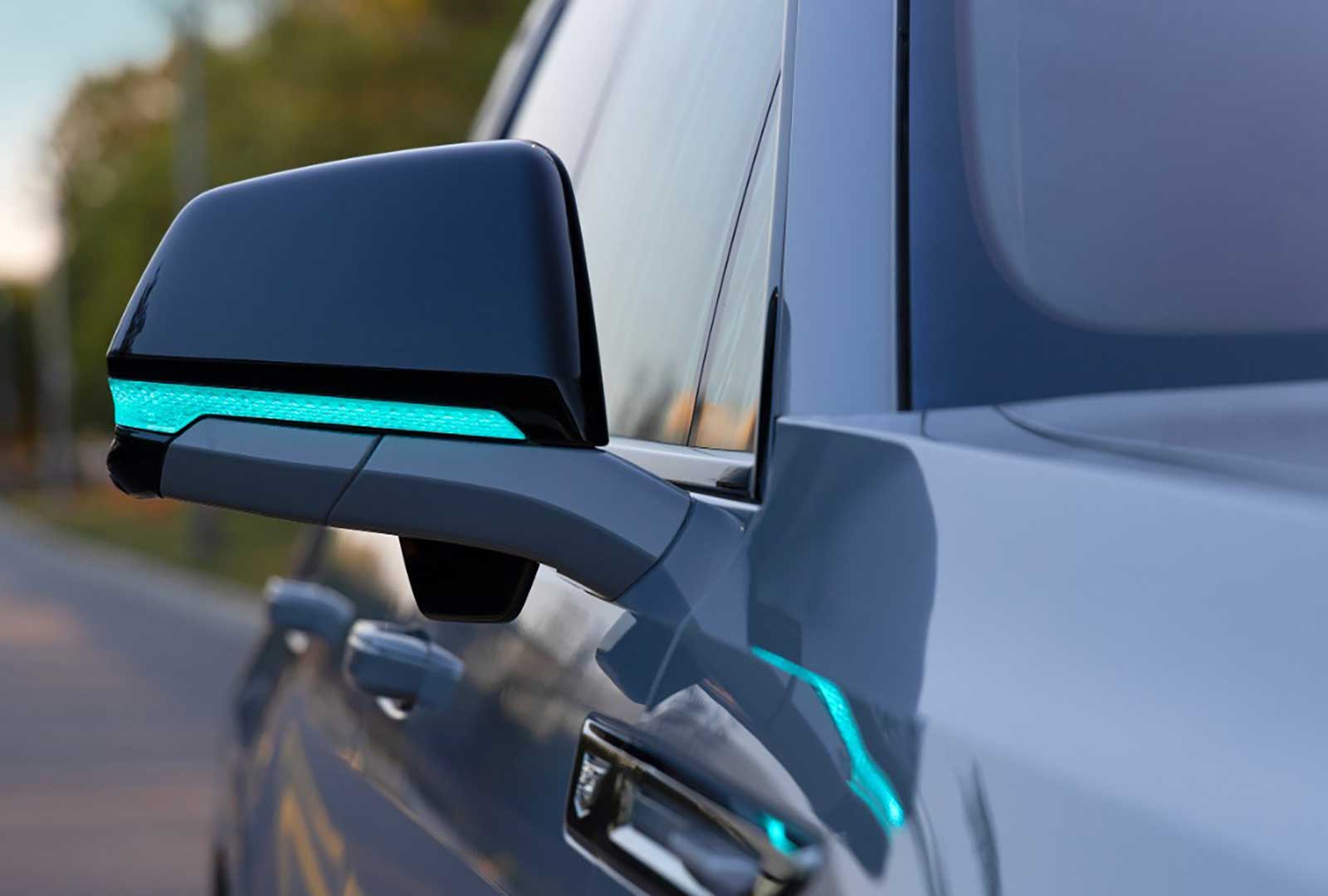
GM’s Return to Autonomy
Executive Summary
In this episode of The Road to Autonomy podcast, Grayson Brulte sat down with David Welch, Detroit Bureau Chief, Bloomberg joined Grayson Brulte on The Road to Autonomy podcast to discuss GM’s return to autonomy and the company’s long-term strategy for personally owned autonomous vehicles.
Key The Road to Autonomy Episode Questions Answered
What is GM’s new plan for autonomous vehicles?
GM is developing a “hands-free, eyes-free” system, which some call Level 3, set to launch in the 2028 Cadillac Escalade IQ. The initial use will be on highways, but GM aims to expand to urban areas and surface streets after launch.
Why is this GM autonomy plan different from their Cruise robotaxi venture?
This new strategy is lower-risk and builds on an existing, profitable business. It’s an advancement of Super Cruise, which is already part of a $2 billion/year service business (with OnStar) with 70% margins and a good safety record. This contrasts with the high-investment, high-risk, and legally troubled robotaxi model of Cruise.
How does this new autonomous vehicle plan fit into GM’s broader business strategy?
Investors see the new autonomous vehicle plan as “icing on the cake”. With GM’s core internal combustion engine (ICE) business remaining strong and EV investment costs stabilized, this software-based autonomy service is viewed as a highly profitable, scalable new revenue stream. The plan is also part of a larger push to bring technology in-house, including a new central computing platform for 2028.
Key The Road to Autonomy Topics & Timestamps
[00:00] GM’s Return to Autonomous Vehicles
The discussion kicks off with Grayson reacting to the “holy cow” news, first broken by guest David Welch in August, that General Motors is officially “going back into autonomous vehicles”.
[00:54] The 2028 Plan: “Hands-Free, Eyes-Free” in the Cadillac Escalade IQ
David details GM’s new plan: a “hands free, eyes free” system (a term he prefers over the ambiguous “Level 3”) set to launch in the 2028 Cadillac Escalade IQ, the all-electric version of the vehicle.
[01:45] Expanding Beyond Highways: GM’s Ambition for Urban Streets
David reports that GM’s ambitions don’t stop at highways. Sterling Anderson told him the company wants to expand the system into “urban areas” and “surface streets” after the initial 2028 launch.
[02:16] Sterling Anderson (ex-Tesla, ex-Aurora) Leads the New Charge
The new autonomy push is being fronted by Sterling Anderson, GM’s Chief Product Officer and a veteran of Tesla’s Autopilot and Aurora. Anderson confirmed GM has hired back “a lot of the people from Cruise” and stated he wouldn’t have taken the job if GM “wasn’t committed to autonomy”.
[03:45] Why This Time Is Different (And Not Another Cruise)
When asked if this move is “for real” given GM’s past “start stops”, David explains why it’s different. Unlike Cruise, which faced intense regulatory scrutiny and investor skepticism, this new plan is a strategic pivot.
[05:05] The Profitable Business of Super Cruise ($2B Revenue, 70% Margins)
David argues this new strategy is lower-risk because it builds on the already successful Super Cruise platform. He notes that Super Cruise and OnStar are an existing business generating “$2 billion a year in revenue” at “70%” margins. This is an advancement of a system that already makes money and has a good safety record.
[07:35] Investor Confidence: Why “Ice, Ice Baby” and Autonomous Vehicles are Boosting GM Stock
Investors are now confident in GM’s stock because the “EV question” risk has faded. With the internal combustion engine (ICE) business remaining profitable and EV investments “written down” , this new AV software plan is seen as a high-margin, easily scalable “icing on the cake”.
[10:45] The Big Picture: Personally Owned Autonomous Vehicles vs. Robotaxis
David contrasts GM’s new personally owned AV (POAV) strategy with the robotaxi model. He explains the robotaxi business is “pretty expensive,” citing costs for fleet maintenance, high-end talent, and expensive sensors, all for a business model where profitability (like Waymo’s) is still unproven.
[12:20] Insurance & Liability: The Unanswered Questions for “Eyes-Off” Driving
Grayson raises the critical, unresolved issue of how “eyes off” vehicles will be insured, noting it adds a “new risk” to actuarial tables. David agrees it’s a key question they didn’t discuss, speculating that premiums will ultimately “depend on the safety record” of the systems.
[16:30] Regulatory Hurdles and Removing the Steering Wheel
Looking long-term, David anticipates that federal rules for AVs, including those that would allow for the removal of steering wheels and pedals, will “probably get passed” in the years between now and the 2028 launch. He suggests that after the Cruise debacle, GM might even “want some pretty tough rules”.
[19:10] The China Factor: Competitive Pressure on GM’s AV Timeline
David agrees that pressure from Chinese automakers is “one reason they’re pushing this”. GM doesn’t want to be “flatfooted” if companies like BYD or Xiaomi, which are “all developing AV technology,” enter the U.S. market.
[28:15] Ford’s Lack of Commitment to Autonomy Post-Argo
In contrast to GM, David states he sees “no commitment” from Ford on true autonomy after they shut down Argo. He believes Ford’s focus is limited to “active safety and driver assist” (like Blue Cruise) and not Level 4/5 systems.
[31:30] GM’s In-House Compute Platform and the “War” on CarPlay
GM’s 2028 AV system will run on a new “bumper to bumper” in-house computing platform. This is part of the same strategy as removing CarPlay, which is to control the entire software stack, reduce chip dependency, enable better over-the-air updates, and create a “more seamless experience” for the customer.
[40:45] 2030 Outlook: GM’s Future in EVs, Software, and Global Markets
By 2030, David sees GM remaining “relevant”. He predicts they will have a significant EV presence, be “making pretty good money” from their AV software services , and potentially leverage their Hyundai partnership to “push to go international again” into markets like South America.
Full Episode Transcript
The Road to Autonomy Introduction: Welcome to the Road to Autonomy, the podcast shaping how Wall Street and industry executives think about the autonomy economy for today’s executives and investors. Simply following the headlines is not enough. That’s why our clients go beyond the podcast and the headlines. To get exclusive market intelligence and industry briefings, see what they see. Visit road to autonomy.com. That’s road to autonomy.com.
Grayson Brulte: David, in August, you broke the news. I couldn’t believe the news you broke. You broke the headline. GM is going back into autonomous vehicles. I said, holy cow. Just liek Phil Rizotto the scooter, they’re back. And then this week you’re in New York, you interview Sterling Anderson and you got some details of where they’re going. What did you learn this week?
David Welch: So they’re going back, uh, you know, I guess you could call it level three autonomy, but. It’s, it’s hands free, ice free. I, I hate level three autonomy as a term because it’s very ambiguous. And, and everybody’s system does something differently, uh, than everybody else’s. And, and it, it, it doesn’t really tell you what’s going on. So in G GM’s case, , you’re gonna be able to go hands free, eyes free 2028 in a Cadillac Escalade IQ, which is the electric version of the vehicle. And, um. They want to push to other vehicles pretty quickly beyond that. And Sterling also told me that they want to get into, it’s just on highway use. They want to get into, urban areas. They want to get to surface streets, uh, after that too, they didn’t give any time late on, on expanded vehicles and expanded geography. But they’re doing a lot of work here, and that’s almost three years away. So you gotta figure that they will have time to make progress between now and then. But look, they’re, they’re. Bottom line is they’re very serious about this. Th this event was very interesting because Sterling was really Sterling and Dave Anderson, who’s their head of software services, they were the stars of the show. Uh, Mary Barra spoke for five minutes and introduced them, and they were, they, you know, they were really front and center of this event. So, you know, GM is still pushing to get more business out of technology and software, and autonomy and. Presumably with their EVs after, you know, we’re having some real struggles developing these technologies over the past few years.
Grayson Brulte: based on what you learned this week, do you feel this is the first indication or first move towards Mary Barra’s publicly stated goal to personally owned autonmous vehicles? Is this the first indicator that they’re going towards that again?
David Welch: Yeah, definitely. Uh, an interesting, um. Comment when I was talking to Sterling Anderson about this and, you know, and we, we had some time, uh, one-on-one to chat about what they’re doing. , You know, he confirmed what I had reported in August, which is that they have hired back a lot of the people from Cruise and they have hired others from other companies brought in autonomous talent. Then I’m, I’m gonna read you the quote here. He gave me, he said I would’ve been a strange choice for chief product officer if the company wasn’t committed to autonomy. So he, he took the job figuring, you know, former Aurora guy worked on, uh, I think he worked on autopilot at Tesla. So his career’s been autonomy, and, and his PHD thesis was on self-driving or self or, or assisted driving technologies. and so I, I, I think he came to the company expecting to do that stuff and, and they, you know, clearly weren’t, you know, they were hiring him to, to give him some, some money and some free reign to do it.
Grayson Brulte: Well, he’s got the manufacturing capabilities to, to do it with GM, but. GM’s culture around autonomy has been a hundred miles an hour. Reverse. Okay, we’re gonna start again. And then there’s been these, if you wanna call ’em start stops. Do you think this time is I’m, I don’t mean to be rude or disrespectful, but is this time for real?
David Welch: Well, it’s a fair question. Uh, we were talking about this, uh, I was, I, I was on Matt Miller. Matt Miller, with Bloomberg tv. And Hannah Elliott, who’s our auto critic, did, uh, their podcast yesterday. And they, they were asking me about the same thing. And I said, look, when they shut Cruise down, their investors applauded it by buying more shares. Stock went up. GM went through some really tough times with regulators and some serious legal issues with Cruise. And you know, GM doesn’t like to get. Speed up by regulators and deal with lawsuits. They’ve had a couple big recalls, right, , in the past decade. Fires with the Chevy Bolt, ignition switch there. There’s a very visceral reaction when part of their business brings that kind of scrutiny, pressure, uh, and, and, and punishment. So, and you and I talked about this, I, I think when Cruise was shut down, they said they were gonna continue developing a personally owned autonomous vehicle. But I, I thought to myself, you’re never gonna see that car. The shareholders don’t want them spending money on it. General counsel didn’t like Cruise as a business. And, um, and it brought them a lot of, uh, lot of headaches. But here we are. So your, your, your question’s really valid. I think this time is different for a couple reasons. From the investor side, they’re already making money on Super Cruise on that service. I think they said that. And OnStar are about 2 billion a year in revenue. Margins are about 70%. So it’s, it’s a business now, now that, you know, 2 billion a year isn’t huge for GM’s revenue, but those kind of margins that, that’s real money for the company. And, you know, e every bit of consumer reach or research I’ve seen on systems like Super Cruise, Fords, blue Cruise, the systems that Tesla BMW and Mercedes have out there, consumers like them and they want them on, on road trips or, you know, bumper to bumper traffic. When it’s not fun to drive, they don’t wanna drive. So GM, c’s a real business here, whereas robotaxi, it’s not clear. That you’re, that anyone’s gonna get a return on that investment, and it’s a big investment for a very long time, technologically speaking, if you look at what GM’s doing with this, so the, you know, this is Super Cruise that’s being super advanced. , Interestingly, they did not brand this as Super Cruise 2.0 or Ultra Cruise or, or anything like that. So branding is TBD on this 2028 system, but. They are, they’re taking a system that’s already a going concern, has not had safety issues, accidents, deaths and so forth on the highway, makes money, uh, from customers, brings in revenue, and they’re, they’re building it out. So lower risk, clear, kind of clear line of sight for what the business model is. And now they’ve got, software people and talent and, and, and a software architecture. To build it. So, so with all that in mind, so maybe I should have just said Yes, I think they’re serious about it and through all that, yes, they’re serious for all those reasons.
Grayson Brulte: Super Cruise is driven over 700 million miles in, you know, the last GM’s, last quarterly filing. We saw that it is highly profitable and on Tesla’s earnings call, we got the number that 12% of all Teslas have FSD active and they’re paying for it. So is GM looking at that at potential modeling and saying. If we get X percent of our fleet revenue can be X and then this is really where we want to go and, and that, do you think investors will go along with that? Since one there is, it’s not, uh, enough revenue move the needle to GM, but there is profitable revenue there that they will continue to give the GM board and, and leadership the runway they need to build this business.
David Welch: Yeah, it does. So if you look at, um. GM shares were up about 15% in the past week, uh, this pa I should say this past week because they, you know, they beat on, on their earnings estimates and they raise guidance for the year. I’ll get to what this means for their autonomous business in a second. But the clarity that they gave on earnings was they can manage the tariff costs and they didn’t come out and say it, but investors now know. After GM took the big charge for it EV business, 1.6 billion, that the company’s not going to add a lot more investment to electric vehicles and they don’t need to. They have a dozen models and uh, couple of battery plants. A third one is planned if they actually go through it. That’s a lot of capacity and a lot of name plates for ev. And if you look at what’s been holding GM shares down and really every conventional automaker for the past few years. It’s been the EV question. And, you know, GM’s value, basically was like a discounted, ver like a discounted value of the cash flow from their internal combustion business. And what investors feared is that over the next five years that goes away, that revenue slowly goes away and is replaced by electric vehicle revenue, the profitability of which nobody could really predict. So that’s what made investors worry about GM and other conventional car company stocks. So investors are seeing that risk has gone away, because internal combustion vehicles are gonna be sold for a long time. They’re, the investment is written down for, for EVs and this AV stuff they’re talking about is at a minimum icing on the cake and could be more. You look at, you know, GM sells a couple million vehicles a year. , And, if, if they get, you know, a third of those, quarter of those, all of those, whatever, , amount you want to assign to buy into Super Cruise, it’s easily scaled because there’s not a lot of investment to do it. You’re just putting, uh, the hardware is in the vehicle is just putting more software in the vehicle. And, and activating it and maintaining it for people. It’s, it’s very profitable stuff. Uh, and then, you know, they’re, now, these days they’ve had their divorce with Honda on technological development, but they’re doing it with Hyundai. What if they license that to Hyundai? What if they license it to Honda or other automakers? You know, there, there are a lot of possibilities here and it’s not like electric vehicles where. You need a certain amount of sale sales to get scale. Once you get that scale, you need to keep building on that to make it profitably. So, you know, even if you grow it’s profit uncertain. It’s not like robotaxi where, and you and I talked about this a million times, it was wild West in terms of, you know, predicting future profitability. And my view on it, after doing a story a few years ago, talking to Avis and how they. The, like, their costs for maintaining and running a fleet, which by the way does not turn itself over as often as a robotaxi if we would just keeping these cars cleaned and maintained, it was pretty expensive. It’s, it’s a pretty expensive business. And then you’re maintaining a neural network and you’re hiring some very expensive, very talented people to develop these vehicles. And the cars themselves are expensive because of all the sensors and software. Systems, chips, hardware, everything on board. I just never really saw how anyone was gonna quickly make money on this. You know, look, crucially, alphabet does not break out Waymo’s profitability, , on this, at least, uh, not the last time I looked. we, you know, we just don’t know where you’re gonna make money on that stuff. And, and it is tough for investors to really gauge that. what they’re doing now, GM’s starting to give a little more clarity, but, but it doesn’t require a big investment. They’re already there. They already made that investment.
Grayson Brulte: I mean, have you seen Paul Jacobson over the last two weeks doing the, I call the. Financial news rounds, and he’s basically saying, ice, ice baby. The ice engine is, is powering profits again. And if you throw autonomy in there, it’s, it’s ice. Ice. Personally owned autonomy. So it’s, it’s going to start in the 2028 Cadillac Escalade IQ. Then, do you see it eventually going through the rest of the Cadillac models and then eventually into non Cadillac models such as the internal combustion? Let’s use the Tahoe, for example, and some of these, these other vehicles or the bolt.
David Welch: Yeah, I think so. I mean, you know, they didn’t give any specifics on that. When I talked to Stuart, he said they wanted to push it to other models pretty quickly. And how many models does, is Super Cruise available in, I guess it is. It is a pretty good chunk of the line, right. And even some of the cheaper models. So assuming they don’t have any safety hitches with, with, uh, this new system. Yeah, I think it goes pretty quickly through the lineup. We’ll see. But that’s kind of what’s Sterling indicated to me is that, that they wanted to push it to other vehicles pretty fast.
Grayson Brulte: Is they’re gonna push it to other vehicles, reduce the term quickly. But then if I’m putting on my regulatory hat outside of the eu, we have not seen a comprehensive insurance policy yet for personally owned vehicles. That is eyes off. Do you think GM give you any insights into how these are going to be insured? Are they gonna work with an insurer? Because if I’m an insurer, it’s, it’s, you’re adding a, sorry, you’re adding a new risk into the, um, the actuary table here.
David Welch: we didn’t talk about that. I mean, that, that’s something that’s always been lurking in the back. Background. Um, and, and people sort of, it is a great question on your part because people talk about these things secondarily, uh, I mean, you think about with EVs, think about the insurance issue there. These are extremely heavy vehicles that if they hit another one, they’re gonna do some damage. And they’re also expensive to repair themselves. And no one really thought about that until they went out and bought an ev and then they got their insurance. You know, they looked at their insurance bill after they were already, you know. Two thirds way through the process of the dealership, then you’re in the f and i office and you’re looking at your new insurance rates, like, oh damn. So what is it on, uh, you know, on some of this stuff, I think it depends on, well, clearly one thing, it’ll depend on the safety record of the vehicles, right? If the systems actually prevent accidents because they are basically super advanced active safety systems. Maybe it could lower your insurance if they’re sort of like Tesla autopilot. People do dumbs thing with dumb things with it and people die from it. It could raise insurance premiums if, if there’s, if there are issues with people using it improperly or with the system’s not working all the., And I would like to say GM’s really good about managing these risks, but they have problems with Cruise. They’ve had problems with bolt batteries, they have problem with ignition switches. These, these sort of things do happen to any car company. Toyota’s had its issues, Volkswagens had its issues. , Now these are all really good manufacturing companies that have had problems, but, , GM is pretty thorough on the safety side, uh, with this stuff. But you know, perfor Performance will tell.
Grayson Brulte: Is the goal over time. If you got any indicators on this, obviously you could be in the driver’s seat or I could be in the driver’s seat. And we could not be paying attention. I’ll be old school here. I could be reading a print edition of business week, or I could be reading a, a newspaper, not paying attention. Is the next step then to allow me to go into the back seat of the vehicle? Is that where the architecture of where they eventually want this to go?
David Welch: It is, but that’s a big step. Uh, one thing that was interesting by the way, is that they had a demo just sitting in the, the, the studio. We couldn’t drive it or ride it or anything like that of the Escalate IQ. And it had a movie screen in the dashboard showing an episode of White Lotus. The implication kind of being that maybe you can watch movies while you’re, you’re driving because it’s hands-free, eyes-free, but because it’s not a system that can go off highway, you’re always gonna need someone in the front seat. Now, Sterling’s saying they want to get this thing into urban areas, so I guess yeah, if, if, if you can drive it everywhere, autonomously. I think the goal is to allow, allow the driver to sit in the backseat, take a nap or, uh, you know, whatever. You know, you’re on a road trip, you got a bunch of people in the, instead of the front seat sitting in the backseat. On the way to a game with a keg, um, you know, tailgating in the vehicle on the way there. Presumably that could happen if, if these things can drive everywhere. I think we’re a long way away from that sort of thing. I think it’s where they eventually want to go.
Grayson Brulte: that’s where we wanna go to society. So if I call up and say, Hey David, you wanna go to the baseball game? Okay, I’ll have somebody in the car. You and I can have lunch and a beer in the back. This is great. I mean, that’s what everybody wants, but, and I’ve had these conversations in DC it’s the regulatory environment that has to get fixed. I mean, that is a huge issue that has to be OO overcome is GM thinking about these long-term potential reg regulatory issues. Where this could go. And I asked on the backside of that, any indicators of when they’ll remove the pedals in the steering wheel. Because when you do that, this is a technical, it still has to go through regulatory approval, but when you remove the steering wheel and the pedals, there is no legal way for you to take over So technically, I’m not a lawyer. You can, you can have an open beverage in the vehicle.
David Welch: I think eventually they do, but was it last year when GM withdrew their application for the Cruise origin to take the pedals and all that out? Look, it’s, you know, we’re 20, 28 when GM’s gonna launch this system. So that’s a few years away. In between now and then you’re gonna see those bills introduced in the House and Senate for federal rules, for AVs, for trucking, and for robotaxi. Come, probably get passed and then you’ll see nitsa develop rules, transportation department developed rules around them. And I think all of that happens in between now and then. Uh, and, and the launch of this system. And other systems., And I’m sure they’re talking to the federal government, Trump administration, people in Congress who have an interest in this and who are pushing these bills. I’m sure, I know those conversations are happening, not just with GM, the whole autonomous and auto industry. , They’re all, they’re all pushing on this stuff and, you know, I’m sure they would not want lax rules, but. They do want rules so they know how to do this. Actually, if I’m someone like General Motors and I’m cautious over the debacle with Cruise, I might want some pretty tough rules so that a less cautious competitor doesn’t get out there in the market and offer a system, beat me to the punch, get customers, and then have problems that make this a, a, a troublesome thing on the road. And legally and legislatively for the entire industry. Remember, after the Cruise mess, I, you know, you and I talking to a lot of people, the government affairs side of the autonomous industry, worried that like those, those regulatory problems with GM and Cruise were, were gonna kind in come back and haunt everybody. I don’t think they really have, honestly. I mean, Cruise was shut down. Less than a year ago, and we’ve got bills in the house and the Senate to take vehicle controls out. Tesla’s got what, 18 people who have died by, you know, with problems with autopilot that hasn’t done it either, uh, in terms of slowing down legislative progress. Now part of that’s also because Republicans are, are controlling both houses and they want to see this happen. The Democrats were a little more cautious about it, but. There’s, there’s a lot of momentum for it.
Grayson Brulte: there is a lot of momentum and on the policy side, there’s a lot of momentum because of the rise of China, and especially from an an autonomy perspective. So GM is publicly stated 2028. Do you think that they’re feeling any pressure from the rise of personally owned autonomous vehicles emerging from the Chinese market and also the robotaxis that are seemingly taking over Europe day by day? Are they feeling any of that pressure to put out a compelling product in the market to compete with, which is eventually gonna come at some point?
David Welch: I think that’s one reason they’re pushing this, is, is they, same reason they’re still pushing electric vehicle technology, right? Even though American, even the Trump administration wants nothing to do with elec electric vehicles and it’s lost their momentum in the US market. Uh, they don’t wanna be flatfooted if BYD or Xiaomi or one of these companies gets into the US name would BYD, but any of them, and they’re all developing AV technology over there. And you are seeing a lot, a lot of AV developments in Europe and look Stelantis working with pony, but that’s the European deal. They’re not doing it in the us. , So everybody’s working on getting it out there in these other markets, so you have to develop it here. And that’s GM’s biggest market. Is the US So if they’re gonna get scale on any technology they developed, they have to, they have to make it work here. So, yeah, I think they are. , I think it’s gonna be tough to just unbox Chinese or European based technologies here, especially if they’re, they are developed and in any way run by Chinese companies because of some of the, , actions we saw at the end of the Biden administration kind of keeping Chinese connected vehicles out of the us. Uh, you know, that that’s a pretty big burden. And, and I don’t, the Trump administration hasn’t touched that stuff because it’s largely seen as sort of intelligence related, you know, national security related actions by the administration to keep Chinese connected vehicles outta the us.
Grayson Brulte: And I think that, and hasn’t really been discussed a lot, but I still think that Waymo has a risk with Zeekr because the Trump administration could turn up the heat at some point
David Welch: They could. It’s funny we haven’t heard much about that. Uh, but in, in terms of the, you know, the, the legislation that we’ve seen affecting automakers, from the Republicans and, and from the Trump administration, it, it, it’s all been tariffs and. Swiping away all the EV tax credits. They haven’t, you know, other than proposed legislation and who not, is that stuff even gonna be voted on before the end of the year? It’s hard to see.
Grayson Brulte: Is the government even gonna be open before the end of the year? I think that’s the the first question that we have to ask. I’ve noticed in Waymo’s press releases or public announcements where they’re announcing a a, a new city, certain cities, they’re naming the vehicle that’s going there. The one that really caught my eye was Nashville. To me, it seemed like Waymo went out of their way to say this would be the Jaguar I-PACEs. Not the Zeekrs ’cause if you look at the polling coming out of Tennessee, Marsha Blackburn, a well-known China hawk is gonna be the next governor. Could you imagine the go? Somebody’s telling the governor, governor, there’s Chinese vehicles. The Chinese government controls rolling on the streets of Tennessee. She’d have a cow. And so it seems like they’re starting to get very selective of where they’re getting ready to put these secret vehicles. Because I believe somebody inside of Waymo understands the political risks that are there.
David Welch: there is, and especially with Trump, right? , You know, Trump is trying to get comp and, and having some success at getting companies. To bring American brand name vehicles production back to the US and, and GM is doing that. And I think, you know, some of the foreign companies, foreign owned companies that sell vehicles here are gonna have to do that. So if you’re Waymo and you’re hoping that the Trump administration turns a favorable eye toward your robotaxi business, one way to anger them would be, or at least to draw attention to yourself, would be to have Chinese vehicles. Connected. Even if it’s not connected to a a a, A network in China, you know, it’s going to draw attention that they don’t want.
Grayson Brulte: if you look at foreign manufacturers that have presence on US soils Hyundai, they have the Savannah plant. You, you and the team at Bloomberg did reporting on the battery raid with ice, but they have a, a manufacturing plant where they’re making the IONIQ 5s. They have the deal with Avride, which is launching with Uber in December and Dallas. They’re doing the vehicles for Waymo. Why do you think we’re not getting more news outta Hyundai as it relates to this IONIQ 5 platform, which I’ve been to an engineering tear down of one of these things. And it’s a great vehicle to build an AV system on.
David Welch: I sort of feel like they’re in a bit of a holding pattern at the moment, all, and, and all the Korean companies maybe are. Because, you know, they want some clarity and probably some way to expedite getting talent to be able to work in the US without stuff like the, I mean, look, they’ve said that, right? Uh, Jose Munoz, CEO of Hyundai told us that, that some of the projects that they have in Georgia would be delayed because they can’t get their workers to come over here. so, you know, I, I, I think any investment, any activity the Koreans make over here. And, and look, Hyundai as a company is gonna be working in lock lockstep with the Korean government. They’re, they’re gonna want assurances that they’re gonna be able to do this stuff without, you know, ice raids and renewed tariffs and any, anything else that, that’s just gonna harm their ability to do business here. And, you know, the, the Trump administration has proven to be pretty mercurial when it comes to a lot of this tariff stuff and a lot of these other, a lot of these other issues that affect businesses. And, you know, Trump will say, you know, we’re close on a deal, then the deal doesn’t happen, or, you know, we’re far apart. And then the next day something does, I mean, a lot of times he’s posturing in order to get something he wants, but it, it, that makes it difficult for businesses to predict and and forecast. Then plan. So I, I, I think in Hyundai’s case, they have a big business here. They’re, they’re partnered with General Motors. They made a big investment. Uh, and, and I, I think the ice raid probably shook the Koreans pretty hard. And, and we’re gonna have to wait on some of this stuff until they get the kind of clarity they need.
Grayson Brulte: so while Hyundai waits for the clarity, they have a a, a robotaxi platform that they’re allowing others to develop and build on, and they’re building that in Savannah plant. GM has expertise in building autonomous vehicles. Do they ever spin up a line to do contract manufacturing for a large robo taxii company? Does there any one, first of all, would that ever happen? And two, could that eventually ever be profitable for them if they were to do that?
David Welch: It could be, I’m not sure. With GM? It’s a good question for Sterling Anderson ’cause he’s in there and he is been hiring people, former Cruise people back and bringing in other talent. So clearly GM would own all of the patents, intellectual property for the Cruise vehicles. they still have that technology. you know, how quickly could they get that going again and do they. Do they want to go into city by city, by city to develop that? Would that effort run parallel to what they want to do with personally owned avs? I, I would assume it does, but then the early question about insurance and liability, if GM’s the vehicle maker on a robotaxi, even if somebody else is running that service, Uber or Lyft, anybody like that, are they carrying the liability? Hmm. And do, and would they want to. it, it could be a profitable business for them. I, I mean, I think licensing is the way to go here, and you’re, a lot of the trucking companies you’re seeing are, are going with the, the licensing kind of model. But, , you know, in GM’s case with robotaxi, how much risk would they bear? Uh, that I think that would play in pretty heavily here. Look what GM has done, you know, we’ll, we’ll, we’ll see if there’s still what their capabilities are compared to the field of competition in 2028. But right now, Mercedes and BMW have similar systems, but they top out around 40 miles an hour, I believe. And full self-driving is not a completely hands-off system. You have to put your, I mean, you, you have a Tesla, right?
Grayson Brulte: I do.
David Welch: When you use FSD, don’t you have to put your hands back on the wheel every so often?
Grayson Brulte: Not anymore. No. There’s in, in cabin monitoring, I can go days or weeks without ever having to touch the wheel now,
David Welch: Oh, really? Okay. Someone told me the other day you still had to go, you still had to touch the wheel at certain points, but GM systems up there in terms of capability.
Grayson Brulte: and so I look at this from. I mean, I don’t wanna call it a posturing standpoint, but I look at this from a, a business standpoint and certain people will say, well, how will freeze up before this happens? But based on your reporting, you’ve done an excellent job on, it seems very clear to me that GM is laser focused on personnel, autonomous vehicles, and that’s the mission. That’s the North Star, that’s where they’re gonna go. While it seems to me that they don’t have an indication for robotaxis. There. Waymo has a vehicle constraint problem. They don’t have enough vehicles. They need more vehicles. They have a potential problem with Hyundai. Depending on where that goes, we know they have a problem with the Chinese main Zeekrs. Could we see Waymo in an effort to build trust with the Trump administration? Announced a partnership with GM made in America, robotaxis by Americans for Americans. Because, you know, the White House could get behind a message like that. Could that ever, potentially, ever, ever happen?
David Welch: I would think they would more likely do it with Ford or Stellantis. Even though the Trump administration, I don’t think really views Stellantis as an American company. If the vehicles that in question were made in a US plant, I. They would support it, but I, I would almost see Ford as more likely because while, while they do have Blue Cruise, they, they don’t seem as aggressive in developing their own level three level four type systems as GM is. So, would GM want to build for Waymo when they’re, they’re working on their own stuff? They could, I mean, they, they don’t have to stay on the same path, but it seems a little counterintuitive to what they told us, , earlier in the week.
Grayson Brulte: Do you feel that, if you want to call it the blunder that was well reported when Mark Fields was CEO of Ford, between Google and Ford has been healed, do you think Farley really has an interest in autonomy because. They shut down Argo Latitude. We haven’t heard anything out of it. Obviously they’ve been very public about Blue Cruise, but it just seems that I, I question Ford’s commitment to autonomy.
David Welch: Well, I mean, Argo’s gone. , I think they’re probably out there working on some deals to, to try to get, you know, back in the game with somebody. But, you know, when they shut down Argo, I, I think they really saw autonomy as something that’s very far away and. honestly, I don’t, I don’t see a big commitment. I don’t see any commitment for it on autonomy. I see that, certainly see a commitment on active safety and driver assist, but on autonomy where, you know, where, where would, where do they even have like a dog in the fight at the moment? If they don’t find a partner and do something? Which, which I think they will, but that doesn’t make them internally committed from an engineering and technology standpoint.
Grayson Brulte: So do you see Detroit emerging where GM under Sterling builds an in-house program? Then Ford turns to licensing instead of, instead of a. Major investment like they made with Argo. They go turn to Wayve or they turn to Nuro from to license that stack and integrate it.
David Welch: Yeah, probably, but I’m not sure. GM doesn’t license it in terms of full level four or five autonomy either. Uh, at some point they could just, . I do remember when, you know, when, when various points, when I was reporting, it might’ve even been for when I was working on a book talking to Mark Royce, the president of GM, about this, the, or maybe it was a story I did on why GM bought Cruise. But what he told me is that the, the technology you develop for Super Cruise and even Ultra Cruise, which they killed off, but they were talking about, which was like Super Cruise on steroids. And the way you’ve developed technology for Cruise when they had it were very different. One was, you know, super advancing advanced safety systems and just iterating them better and better and better. And then, you know, the autonomous system with Cruises is developed to take the big plunge and, and go full driverless all at once. That doesn’t mean you can’t get to the same place. Going either way, I guess, but I wonder how far you can get , developing things like Super Cruise or Blue Cruise or these other systems and just pushing them further and further as opposed to having a, you know, truly level four, level five dedicated system like Waymo has. I dunno the answer to that, honestly,
Grayson Brulte: I could see GM licensing an L four system, but then. Going back to your reporting, I question it because we’ve seen them remove CarPlay Android Auto, and it seems based on everything that they wanna bring everything in-house. And they’re also developing at the media event that you were at a central computing platform to control everything. And when I read the press release, the fine print said, I’m gonna paraphrase this here, but better over the air update. It was like, okay, Sterling is starting to make this more like a Tesla, where the vehicle’s getting smarter.
David Welch: yeah. And, and the way they described it to me, the, that whole vehicle computing system, bumper to bumper, they’re developing that controls everything and, and, and developing that in-house is kind of, you know, that that system’s ready in 2028 when they’re develop, you know, when they’re running the self-drive system in, in the escalate IQ. So one, and, you know. The compute platform enables that and, and, and over the year updates and a lot of other stuff. So look, I, I think they, they do want to do it in-house, but it’s also a very difficult challenge. That’s what I’m saying. So I’m, I’m not totally convinced they wouldn’t end up licensing somebody else’s system. And look, they shut down Cruises because the development costs. So if it gets too expensive to develop the road system in house, then. Maybe they go a different direction and they were, look, they were arch enemies of, of Waymo. So maybe they would license Wayve’s system instead. Who knows? I mean, we’re looking way far out on this.
Grayson Brulte: that’s the fun part about this. ’cause we could speculate. Let’s, let’s hypothetically say
David Welch: Nobody will remember what we speculated in five years. So, uh, we can say whatever.
Grayson Brulte: exactly. So that’s a very, very good point. Hypothetically, let’s say the compute platform works and it’s a proven success and it meets, uh, all, all the, all, all the benchmarks. A-M-L-E-E, every safety benchmark out there. Then do we see, this is based on Sterling’s history here. Do we all suddenly see GM look to design and develop their own ship and have, and have Taiwan semi manufacture it for them and they start to more vertically integrate?
David Welch: they were kind of developing their own family of chips in order to be able to reduce the number of them. Do they have the expertise to de design their own chips for this stuff? That’s tough. I mean, , you know, Dave Richardson, who’s their head of software, he and I were talking about Thor, the Nvidia chip and what it can do and, and what the newest version of that came out earlier this year. That from whatever in, in autonomy has told me, like, like Thor does a lot for them in terms of reducing the number of chips, increasing computing power, , on board that really enables, driver assist and autonomous vehicle systems. So, but they need to, with someone like Nvidia out there, you know, really having the expertise and pushing ahead in that game. I mean, there’s, you know, GM’s taken on some risk here by developing their own computing platforms, even though they’ve got partners on it. I mean, you know, they’re working with Google and Microsoft on a lot of this stuff. But, they’ve had some issues here, like with the Chevy Blazer and, and software glitches, uh, with their own internal system. They’ve worked the bugs out or, uh, I, I think a lot of the bugs out on this, but there, there is risk. It’s not their core business, but it’s core to their business, and not letting the experts do and trying to develop the expertise in house. It takes time.
Grayson Brulte: It takes time. There are risks, but they do have the cash flow to hire the, the, the engineers and the designers to build the chips. They clearly have the desire and they clearly have a desire to own and control everything
David Welch: They also have a desire to buy back shares
Grayson Brulte: Yes, that is a very important part. Invest or buy back. Invest or buy back. That that has to be balanced. But at the same event that you were at, they announced that they’re gonna put Gemini in the vehicle for conversational ai and then in typical GM fashion, the next line, the press release says until we get our own system working. So that’s why I keep going back to that.
David Welch: Talking cars. They’re developed. I mean, you look, the, the, the competing system they wanna develop, whether that they’re working on it, it end-to-end controls everything, not just infotainment and the stuff that you and I see and touch, but powertrain, all of that. And there’s some really practical reasons for doing that. GM’s philosophy on this, and, and we, we did a story on this about a year and a half ago, is, you know, right now the way cars work, you know, a supplier who does the chassis or the steering or braking, you know, they, they do a lot of the software. For those systems. And then it’s up to the automakers when they buy these systems to plug it into their master system and you, and so all this stuff kind of gets Frankenstein together. and it, it, it is a lot more lines of code and a lot more chips than they would prefer to be using. And, and look, We got the next period issue in Europe. We’ve had chip shortages before. Everybody wants to reduce that. So you reduce lines of code, you reduce chips. It’s just a smarter way of running your business. But it’s also a more, I think, seamless, experience for a driver. I mean, look, you know, you test drive different vehicles. , I get to kinda sit in different vehicles and I can tell you just plugging in the current version of CarPlay. And getting a consistent, experience on the, the screen and the dashboard can be difficult. Like it just will quit out on you while you’re driving for no reason whatsoever. In certain brands, I’ve seen it happen. I, I see it happen a lot with brand new vehicles. Brand new systems. So even though car police’s been around a long time now and should be seamless. I, I don’t know if it’s Apple’s fault or the, the, the company that develops the vehicle where I see these things kind of crap out, but it does happen. So, you know, like that, that, that’s not a perfect system either. And GM’s philosophy on this is, and, and by the way, they’re not alone. Rivian, Tesla and Mercedes all do this too. They all have, have kicked CarPlay out of their vehicles. They use some Apple apps in their systems, but they kick CarPlay out is, you know, they all see a more seamless, if it’s all one software system and one set of chips working in concert, presumably it’s a more seamless experience for the customer and more consistent.
Grayson Brulte: I own a Tesla and I don’t miss CarPlay. I like the Tesla interface. Do you or do you see in any reporting where CarPlay and Android Auto are still a determining factor, or is that phase kind of diminished?
David Welch: It still is. You, you, you still see customer research, , where people really want their car play. I don’t think that lasts forever necessarily. If the car companies can develop their own system and it’s good, and, and Tesla does. I’ve driven GM system. It’s pretty good. It and, and, and so is Rivian, but it’s, I, I’d have to check. I know GM at one point wanted to get Apple Music in their cars. Tesla has it in on its system, right. You can get Apple Music in your car and I’m pretty sure Rivian does pretty sure. So if GM can get access to it and Mercedes can, and anybody else has their own system can get access to Apple Music, you’re kind of in business, right? Because the only other thing you wouldn’t have is Apple messaging and Apple won’t give that to anybody. , Or at least they haven’t so far. I don’t see the big deal there. , I never texted in the car, not even with voice command. If I need to communicate with some, if I with somebody in the car, uh, like let’s say I’m driving and you send me a text message and I get an alert on my screen and I look down at my phone really quick and you say, Hey, do you wanna do the podcast this Friday? I’ll just call you. I’ll just say, call Grayson Brulte. Or as, or as, as, as the system in my car says, now Grayson Brot. I’ll just call you and we’ll talk about it. Like I don’t need to dictate a text and then read it and do it. It’s so inefficient. But a lot of people do want that and, and I think they just, like the very simplistic system that Apple has, they’re just used to it. There’s just, it’s just human inertia. But if somebody can get a good system out there and market it as, as being a, having a great HMI and then people get used to it, you know. Great. . I mean, you know, think about our habits of watching TV over the past 20 years. You had one cable system and if they told you 20 years ago that you’d have to have Hulu and Paramount Plus and all these, you know, other things to watch this game and that game and this movie, you’d hate it. And honestly, probably most people do hate it right now, not having it all in one cohesive system, but they still watch all the stuff anyways unless it costs too much money. For example, I was gonna watch the Giants this weekend, but YouTube wanted extra money outta me. I’m like, okay, just not watching Giants this weekend. If you, if you ask people for more money, they won’t do it. But if you give ’em a good experience and it’s the same cost or less, you might be able to pull ’em in.
Grayson Brulte: GM could build a user interface experience, very similar to Tesla’s, they’ve got a winning hand and they’ve got a very compelling r. Argument. Putting this all together and looking out towards 2030, where do you think GM is?
David Welch: Well, in my book I said that their electric vehicle efforts and stuff they were doing with autonomy would keep them relevant. I didn’t believe that they were going to double their revenue and, you know, steal all these buyers on the coast necessarily. Although they’ve, they’ve done a good job of gaining market share in the US I think, uh, the partnership with Hyundai for GM is pretty crucial because they, they actually, they’re not just sharing technology and vehicle development, although that, that is big if you’re competing with the Chinese, ’cause you’re getting more scale and. Hyundai can get some of GM’s bigger vehicle architectures. GM can get some of Hyundai’s smaller ones, but they’re also doing, to me, the most interesting part of that is they’re targeting growth in Central and South America. Remember, under Mary Barra, GM has gotten out of a lot of markets, exited Europe, Russia, India, Southeast Asia, Australia, and South Africa, all places that 15 years ago everybody said you had to be to be a a successful multinational company. I think once you start working with somebody else and you can actually kind of piggyback each other’s resources, they’re gonna try to grow again. So I think 2030, they’ll, you know, they’re going to, uh, they’ll have a, a better presence than most in electric vehicles. And, because I do think there are buyers for EVs. I don’t, it’s not 30% of the market. It certainly isn’t 50% of the market. I think it’s a big chunk of luxury and some other people are gonna buy in. And they’ll be significant there. I think they’re gonna have some, I don’t know about the other software services that they can’t seem to articulate, but the software services where you have assisted driving level three kind of stuff, I think they’re making pretty good money there. And I think they’ll be trying to push to grow their presence in some other markets, uh, outside the US where, I don’t know, \ I don’t think they go back to Europe. Europe’s a very tough market. Everybody’s there, including the Chinese. It’s just tough to get any kind of pricing and profitability there. And it’s all smaller vehicles, but maybe they, you know, maybe they go back into Southeast Asia. Maybe they push harder into South America. Stuff like, you know, places like that. I, I, I can see them pushing to go international again.
Grayson Brulte: I’ll summarize it this way, GM’s poised for growth and as news breaks on GM are all things in autonomy, we’re always gonna have young ’cause. I love having. Our conversations and until next time, the future is bright. The future is autonomous. The future is personally owned. Avs. David, thank you so much for coming on The Road to Autonomy today.
The future is bright. The future is autonomous. The future is The Road to Autonomy.
Subscribe to This Week in The Autonomy Economy™
Join institutional investors and industry leaders who read This Week in The Autonomy Economy every Sunday. Each edition delivers exclusive insight and commentary on the autonomy economy, helping you stay ahead of what's next.