


Executive Summary
In this episode of The Road to Autonomy, Grayson Brulte sat down with Darin Brannan, CEO & co-founder of Terminal Industries to discuss the critical modernization of logistics yards. While warehouses and over-the-road transport have seen significant technological investment, the yard remains a “blind spot” often run on clipboards and manual processes.
Darin explains how Terminal Industries is deploying a yard operating system powered by advanced computer vision and agentic AI to digitize tasks, automate gates, and create a scalable foundation for the autonomous trucks of the future.
Key The Road to Autonomy Episode Questions Answered
Why are logistics yards considered a bottleneck in the supply chain?
Logistics yards are often referred to as the “blind spot” or “black hole” where data goes to die between the warehouse and transportation. Over 70% of yards still rely on outdated manual processes like clipboards, radios, and spreadsheets, which lead to inconsistent data capture, detention, safety exposure, and significant labor waste searching for assets.
How does Terminal Industries use computer vision to solve yard inefficiencies?
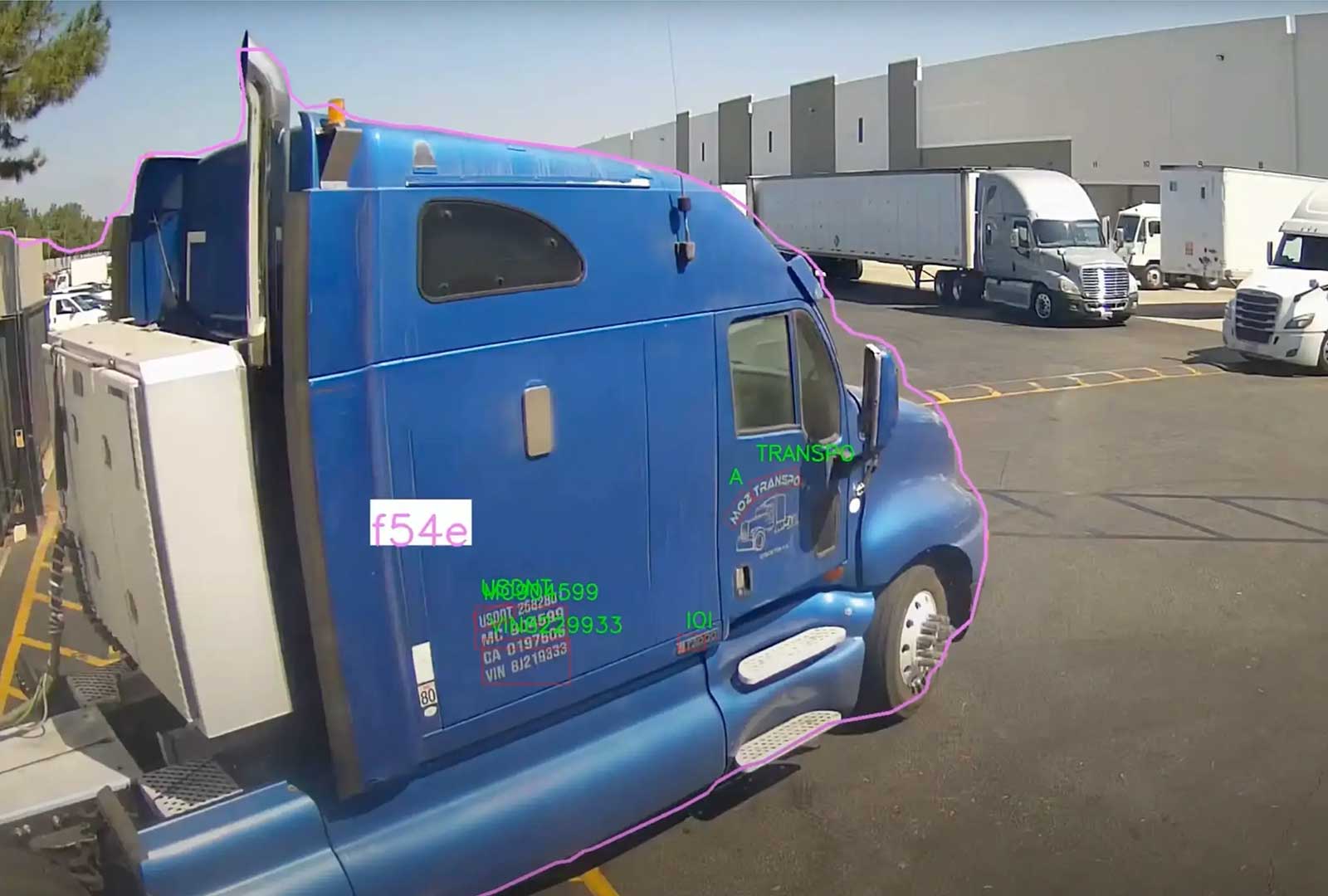
Terminal Industries utilizes advanced computer vision to create a real-time visibility layer without needing clumsy RFID tags. Their models, developed by a team including PhDs, can identify over a dozen types of IDs, including license plates, DOT numbers, and chassis IDs, while handling edge cases like dirt, weather, and low light.
What is the “Autonomous Yard of the Future”?
The Autonomous Yard of the Future is envisioned as a self-managing, 24/7 connected logistics hub with minimal human intervention. It uses agentic workflows to coordinate everything from gate entry to dock assignment, acting as an operating system that will eventually integrate seamlessly with autonomous trucks and yard robotics.
Key The Road to Autonomy Topics & Timestamps
[00:00] Playing Chess, Not Checkers
Grayson Brulte opens the discussion by referencing a comment from Mike Plasencia at Ryder, who described Terminal Industries as “playing chess while everybody else plays checkers”. Darin Brannan, CEO and co-founder of Terminal Industries, frames autonomy not as science fiction, but as a critical economic transition. He identifies the yard as one of the last remaining “blind spots” between the warehouse and transportation, which many companies have tried to modernize with piecemeal solutions rather than a full-stack approach.
[02:15] The Current State of Yards
Darin explains that approximately 70% of yards today still rely on manual tools like clipboards, radios, and spreadsheets. This reliance on “tribal knowledge” and manual data capture leads to unnecessary delays, detention charges, safety exposures, and labor waste spent searching for assets. Terminal Industries aims to replace these “dark ages” with an operating system that digitizes tasks and provides a real-time visibility layer to enable automation.
[04:30] Private Equity in Logistics
The discussion shifts to why private equity and venture capital historically overlooked the yard in favor of over-the-road transport and warehousing. Darin notes that the yard was often viewed simply as a cost of doing business, but inefficiencies there are now hurting the ROI of massive investments made in warehouse and transport automation. This neglect resulted in a market crowded with underfunded “mom and pop” tech companies offering point solutions that cannot scale for enterprise needs.
[07:50] Identifying Bottlenecks
Darin identifies planning and pre-arrival as the leading bottlenecks in yard operations. Without proper appointments and integrations, trucks can face massive delays; Darin cites an example where a 17-minute wait created a line down the street, whereas a transformed process could achieve gate-to-dock in eight minutes. Data errors at the gate compound throughout the yard, leading to misplaced assets and creating buffers instead of precision scheduling.
[16:30] Solving Computer Vision
Strategic investors including 8VC focused heavily on solving the complex challenge of computer vision (CV) for the yard. Terminal Industries spent over a year building more than a dozen models to identify specific assets, including license plates, DOT numbers, chassis IDs, and container numbers. Their system is trained on “real data” rather than perfect internet data, allowing it to handle edge cases such as dirty assets, glare, occlusion, and weather conditions effectively.
[28:00] The Yard Operating System
Darin outlines the four pillars of their yard operating system: a modern cloud-based tech stack, a reimagined YMS with automated gates and real-time inventory, a “single pane of glass” for enterprise command centers, and the use of computer vision for visibility, security, and damage detection. This system is designed to provide a unified command center that integrates seamlessly with existing TMS and WMS platforms.
[32:30] Agentic AI Workflows
Terminal Industries is moving beyond standard SaaS to an “intelligent yard engine” powered by agentic AI. This approach creates a “yard ontology” where actors (drivers, guards), assets (trailers), and actions (hook, check-in) are treated as building blocks for complex workflows. By using dynamic chaining and autonomous optimization rules, the system can execute missions, such as minimizing dwell time by automating decisions that previously required heavy human cognitive load.
[40:00] The Future Vision
The conversation concludes with Darin’s vision for the future: reinventing yard logistics to make goods flow “better, faster, cheaper, and cleaner”. He sees Terminal Industries as the transformation partner delivering the “holy grail” of the autonomous yard, which involves a seamless flow from gate to yard to dock, eventually integrating with robotics and autonomous vehicles.
Full Episode Transcript
Grayson Brulte: Darren, when I first received the note that you wanted to come on, first of all, very thankful. I called my good friend Mike Lencia over at Ryder, and I said, Mike, what do you think? He goes, Darren, the team are playing chess while everybody else plays checkers. I said, that’s it. He’s coming on the show. Mr. Chess player. Sir, how are you playing chess?
Darin Brannan: first off, delighted to be here. Thank you for having us, uh, listener, uh, of course of the road, of the autonomy. And, uh, I appreciate the way that you frame autonomy. By the way, it’s not, not a science fiction, but as this, uh, economic transition, I think that’s what Mike might be thinking about too, is, and you might be a little bit generous in the way he thinks of us. Right type of spirit. I think, uh, and, and I think you know where he is, what he’s seen from us and what we’re delivering, we’re in partnership with Ryder is, uh, that the yard, as you may know, is one of the last blind spots between, uh, the warehouse and transportation.
Most of the industry is. Has tried to modernize it, but they’ve piecemealed in these point solutions. Maybe a gate tech here or there. And then, uh, YMS that might be dated. RFIs, a little bit of clumsy, RFID experiment experiments throughout the yard. And what’s happened is they’re not, they’re not an end-to-end, scalable full stack solution that can support that autonomous yard of the future. And that, and that is the holy grail of every company that we’re talking to, is how can you help us, how can be a transformation partner to drive us to that, that eventual, uh, autonomous yard of the future, which is, you know, through the avs is, is 2, 3, 4, 5 years out when you start to see real, uh, autonomy needed in the yard.
And, uh, and what we’re bringing is this. Uh, operating system layer, which is a unified visibility plus workflow, plus this automation platform, and it immediately brings a level of ROI and cost benefit that compounds in the, in the yard, which you just haven’t seen. And so the chess move here might be that we’re, you know, digitizing the task. We’re creating this data layer and that makes that autonomous workflows. Inevitable for the art and provides us a good shot of being the, the industry’s first transformation partner to, to, to deliver that autonomous art of the future and everyone’s talking about and desires. So you’re Ryder is, is certainly on the leading edge of, of that desire to have that autonomous art of future.
Grayson Brulte: You and I both know, and a majority of this audience knows yards are complex. They’re, they’re different. Every yard is different shapes, sizes, locations, layouts. Why build the operating system for a yard, if you wanna say, to connect all the pieces to all of term to modernize that yard?
Darin Brannan: Well, the, the, the, the yard is still somewhere in the 70% of, of yards in the industry today are clipboards radios. Spreadsheets, tribal Knowledge, manual check-in checkout. You know, consistent, inconsistent, I’d say data capture that creates, uh, unnecessary delays and what we call detention to mage and even some safety exposure and pretty significant labor waste, uh, searching for assets. And, and, and the idea is. With, with a yard operating system, we can modernize, we can not only digitize, take that 70% sort of green field digitize, but we can optimize and then begin to automate and begin that automation journey with this real-time visibility layer. So computer vision meets integrations, then layering in, now we have a agentic workflow automation. Uh, so when you have gate acceleration, gate automation, yard operating workflows. You can now see a path from sort of this arcane dark ages to this autonomous yard of the future.
And, uh, and right now it’s, it is an air locking system for transport data, which the yard often is the, the black hole where data goes to die, when it needs to flow smoothly and seamlessly into the warehouse so that you can compound the, the great, you know, uh, uh, automation that’s happening on the, on the warehouse front. It’s being somewhat, uh, inhibited by the yard. Uh, and in more sophisticated, you, you’re seeing real congestion that’s, that’s, uh, inhibiting that, that WMS investment.
Grayson Brulte: We’re seeing, if you look at the, the logistics industry as a, as a whole, we’re seeing more and more automation. We’re seeing large traditional companies such as DHL, embracive. We’re seeing warehouse operators embrace it from, from a yard perspective, is, uh, is is private equity rolling in? Because I had a conversation the other day around HVAC that they started rolling up HVACs and they started, uh, rolling up landscaping and they started rolling up car washes and all of a suddenly technology and optimization stepped in. Is, is private equity behind this stepping in and rolling up these warehouses and these yards that, that’s enabling the technology to go? Or is it the industry is saying, okay, we really need this technology. What’s really causing that?
Darin Brannan: It’s an excellent question where, where VC and and private equity have historically played is. Where frankly there’s, it’s, it was easier, uh, beachhead to provide cost benefit and ROIs, and that’s over the road transport. So you have multiple investments, IPOs there in the warehouse. S same, uh, sort of investment. And, and the yard has been harder to ROIs, less people, less process. So it’s been a bit of an afterthought and even we were on with a pro, a major enterprise process prospect the other day, and they said it’s, we just viewed it as the cost of doing business. But now it, it is beginning to hurt our massive investments in the warehouse and massive investments in transport, uh, with delays, congestions, and regardless of how much robotics and autonomy, if, if, if we’re delayed, if there’s 30, 40%. Utilization issues that happen before it crosses into the warehouse, that’s becoming an issue.
So over the last, I’d say three, four years, you’ve seen as those investments have matured, they’re now looking for the areas that are not digitized and are potentially causing challenges. And there have been. The market because it’s, it wasn’t as attractive to VCs and PEs. There’s been, uh, it’s, I call them mom and pop tech companies that have tried to, to, to tackle this industry. And so you’ve ended up with a, a slightly crowded, uh, group of, uh, underfunded tech companies that quickly have turn into point solutions or, and have aged at dated tech and often are not inable scalable and certainly don’t, don’t satisfy the, the enterprise. Customers. So you, it’s, I think it’s hard for the private equity group to find really good properties in this, in this space because it, it, they are underfunded and the market has radically changed the last two or three years where the modern tech stack has a real advantage over the older tech stack, especially with AI and agentic . And now what we’ve built is a, is a CV power computer vision, power platform. But nonetheless, you know, I think there’s probably a few plays in there that private equity are mulling through.
Grayson Brulte: Computer vision’s unlocked it for you. Before we get into your text, I want to get into that. I want to take a step backwards and look at another industry. Very similar to your industry, which plays a big part. Logistics. The rail industry. Well, rail yards have always been a point of congestion where they have to pay the, the conductor and the other individual, two individuals to sit there and wait till it can go into the yard. It’s always point of congestion. They started to automate that and then they were able to automate that in certain areas. Not all because of union issues. Optimization went through. What type of historical bottlenecks have you seen at at yards that you’re looking to to overcome?
Darin Brannan: well said. The, uh, traditional, there’s over 55,000 yards that qualify as moderate to sophisticated yards that, um, that have had various bottlenecks. Typically, the, the, the leading bottleneck is the planning and pre pre-arrival. Without the, the proper appointments and shipment integrations, it can lead to stalled check-ins and even 2, 3, 4, 5 minute. And, and we were just on site where there was a 17 minute wait, so an hour and a half, uh, uh, line of trucks down the street. And by the way, as as we came in with our transformation view, we were able to take it from gate to dock in eight minutes. So that’s tremendous transformation. But that gives it a, a, a really good sense of the, you know, the gate, the planning, the pre-arrival, and then the dated antiquated, whether they’re clipboards or they’re multiple yms at a single, uh, guard shack or, uh, Excel. Uh, that’s usually the first point of congestion. And if the, if you get the data wrong there or. Provide congestion there, it compounds in the yard. Then you have, um, assets that are, uh, not in the right staging zone, then get misplaced. Then you, you’re tracking down that asset, then they’re late to their dock and you have the whole system that now creates a four hour buffer instead of precision optimization on scheduling and in the, in the check-in. So that tends to be where the initial bottlenecks are. And the ROI.
Grayson Brulte: And that bottleneck, as you and I know, it’s not just contained in that one warehouse or one yard that goes across the, the entire ecosystem. It starts having bottlenecks that the American public experience very similar to with, with the TSA and the government shutdown. It’s, it’s a very similar thing. To what your industry is doing. What, if you look at the, the traditional warehouse logistics industry, and you mentioned clipboards and excel sheets, it’s a, a lot of people that, I’ll say it, they’re kind of stuck in their ways and, and they like to do things. How are they coming around and embracing this technology? ’cause now this is the way we’ve done things for X amount of years. This is the way we’re do things. How are you bringing those individuals in those companies around say, Hey. There’s a solution here that’s going to optimize your operations, and oh, by the way, it’s gonna have a positive effect on your bottom line.
Darin Brannan: Yes, the uh, uh, I’ve been in heavy industries in, in my prior career selling big platforms and you tend to have to leave the tech as secondary outcomes are first. And so we lead with, uh, cost benefit. Positioning in the market is, Hey, tech is great, AI is great, AgTech is great, CV is great, but if it doesn’t improve your accuracy rate at the gate by 50, 40, 50%, is it really worth the change? If it doesn’t improve your throughput by 30, 40, 50%, is it worth the change? And so we’re looking for those. Those modular changes where their pain points are four or five PA asset, uh, management throughout the yard is, can be, or rather quickly, uh, a mess and contribute to that compounding congestion. And so if we can track with fixed and mobile cameras, uh, efficiently through computer vision. Then we’re able to provide a solution that, and again, with AI AgTech, the almost irrefutable benefits now is that you get five, 10 times the benefits. You get one third to one half the price, one third, the deployment time, three times easier to use. That’s the promise of, of workflows in ai and we now have that. And, and you’re seeing that, that leads to the kind of ROI numbers that, that allow us to. Not only lead with ROI cost benefit, and then the sec, the third piece typically is we’re not only selling technology these days, but it’s change management.
When you’re selling into an industry like this, you have to be empathetic towards what you just said, which is they’ve had 50-year-old processes. 10, 20-year-old tech excel pretty, uh, you know, they, they’re pretty ha happyish at the ground level with that, their normalcy. And, uh, and you see this in healthcare and other industries until you come in with technology that makes their day better, improves their, uh, personal KPIs, their accuracy rate, their throughput. That can be easily trained and easy to use, then you’re just not gonna get the adoption. That’s been the problem in the yard is you have complicated clumsy tech that’s not integrated, not good change management included, and you just have a massive tech adoption problem. That’s for far too long.
Grayson Brulte: You mentioned healthcare, and I’m gonna nerd out with you for a moment. I’ve been studying the Da Vinci robots for medical surgeries, and I had no idea that one, that the doctors have to go through training, and they’re, they’re not fully autonomous yet. You still have a, a, a doctor who’s doing again. And the doctors that I’ve spoken to that are trained and use the Da Vincis have told me that for the healing process, there’s less incision, more, more accuracy. And so now they’re starting to see the benefits of using the Da Vinci robots of what it can do for their patients. So. That’s a win because the recovery time’s less. The, the invasion that the wound is l is less. It one of the key things when you’re trying to be the change agent to get the, the individuals that have traditionally been here, perhaps their grandfathers and their fathers were in this industry and say, Hey, here, here’s a new way of doing it. No, by the way, it’s not just driving cars. Computer vision could make your life easier. How, how are you bringing that change about where they can, it can become a tangible, relatable asset to them.
Darin Brannan: Yes. Uh, and I know the healthcare sector as as well, and you’re right, those. Uh, the Da Vinci leads to lower readmits and fantastically better outcomes. And part of what I try to sell, typically in my first couple of meetings or slide pitches, this bold vision of the lights out yard, that they, it’s a, it is a, it’s a comparable, uh, you know, autonomous vision of, of the lights out in the warehouse. And, uh, what, what I’ll, uh, try to help them see is in the not too distant future you can imagine a self-managing 24 7 connected autonomous logistics hub. Minimal human intervention and, you know, can they make that investment part of their budget today to, to get on, on the proper jour journey with the right tech transformation partner That, that is thinking about. How do you work backwards into the core software AI that’s needed? The site infrastructure sensing the autonomous physical assets, uh, almost agnostic to whether it’s, uh, drones, humanoids, uh, AMRs, et cetera in the yard, and then having flex on the, on the business model.
So I think, I think it’s important to, to paint that picture of the art of the possible and the vision of the autonomous yard of the future. And then, uh, show them a journey, a map that helps their people transform, not in some places we’re seeing they want it as fast as possible or rip and replace others. It’s a, it’s a transformation journey with us providing some change management to help them through that. And again, if you focus on the outcomes, the vision. That, that we’re probably, uh, uh, one of the best caliber companies and back financially backed companies to attack this challenge. And it’s a complex challenge that, uh, that we can help provide. Start with that cost benefit. ROI program.
Grayson Brulte: You’re right. I mean, you hit the nail on the head. You need the capital to be able to build the. Because infrastructure’s expensive. When you’re putting the system into place with, with your computer vision, to me, you’re creating a data point and as an underwriter on the act actual table. Okay, new data point. Are you seeing any insurance savings across the board when your system is implemented? Because there’s more and more data points to track.
Darin Brannan: I think it’s an excellent question. We have so much to, to work through that, uh, insurance premium reduction is on the radar, but it’s not something we ha have used as a i I, I think it, uh, certainly with safety, security and uh, OOO overall, you know, better accuracy, it should help. So we are, we’re relatively young still, but I think that’s a good, good item to put on the docket for 2026.
Grayson Brulte: I mean, you’re young, but there’s still a lot to, to do, and, and, and you’re growing and you still have a sub substantial footprint. To dive into the, the computer vision for a moment here. What type of algorithms are, are, are you running the computer vision? What are you looking for in the computer? Is it, is it license plate? Is it TCP numbers? What is that that your system is trying to pick up? Or do you have thermal layer? What are you trying to pick up with your computer vision?
Darin Brannan: so that is an area that. Uh, when 8VC and the strategic investors came together, one of their primary initial missions was, how do we solve computer vision for the yard? How can, this is a, it is a complex technology. You see computer vision in the warehouse. It’s hard, it’s a lot harder than it looks. It requires PhDs, ml, computer Vision Driven, uh, deep Tech. And a 8VC is one of our, our is our, our founding investor. And, uh, and so they spent, uh, a good year plus building out, uh, specific over a dozen models to cover truck, chassis, trailers, containers, uh, everything, you know, over a dozen different. Types of IDs.
So license plate, of course, DOT numbers, carrier rig id, motor carrier numbers, VIN numbers, chassis id, the whole list of a dozen. And, uh, and, and it, it turns out it, it, it was non-trivial. It took millions of dollars. We’re now at a point where we have the, uh, the largest LLM model in the industry because of the real, um. Yard real data versus internet perfect data, which doesn’t get you what you need. So our data mode is, is not just volume for volume’s sake, it’s, it’s sort of representativeness as, as I call it. We have, and, and I think, you know, the way that we’re able to have unique high detection, high accuracy is things like real, you know, real data around camera heights, distance, angle that matters, lighting shifts the day night.
Glare. The, the occlusions, the decals, partial plates, the sort of dirty assets and uh, you know, even things like pose variation, tractor trailer positions, the motion blower. Uh, so, so the more that we can own that in-house, which we have built that internally, that allows us to, to minimize retraining when we go from yard to yard. And, and becomes the most efficient way to, uh, continuously extract the data, not only at the gate, but then throughout the yard so you have real time asset tracking. Once you’ve done that, you can create this agentic workflows that lead to, uh, uh, not only precision optimization, but automation through. Uh, predictive, uh, decisioning as well as autonomous decisioning. And it all, it all starts with the, with, with heavy CV models, and we feel we have the breakout technology. We haven’t seen anyone with the detection and accuracy at our level. I, I probably, I could go on about you scratch the surface there.
Grayson Brulte: No, we’re, we’re gonna go on on this because, uh, I’m actually writing a model now. So I’ve been playing with a lot of o open source and what you can build on top of open source. So you have your proprietary data. Have you used any open source models to, to accelerate that? Because we’re seeing costs go from 96 to 90% decline using open models, and it’s really truly disrupting, especially when you put a proprietary data set in some of these models today.
Darin Brannan: Yes, we we’re absolutely using open models. Uh, I would say that we have this, we, we do treat. Um, our process, the annotation as core ip, so we run it like a engineering system. So curation, most select, sort of balance slices of, of the hard reality, not just kind of the easy frames. And then processing, uh, where it’s organized as normalized the data into that ml ready lake. And then we have, you know, the annotation, which is run a lock step with. Uh, researchers and not just throwing stuff over the wall. And so the label taxonomy, uh, and edge case definitions are sort of, uh, they evolve fast and, and they’re more correct and accurate. So I think that curation, processing, annotation, uh, creates a loop that makes us, you know, I think a dominant player in the space.
Grayson Brulte: When you were building models, if you look at edge cases, we’ll use two. So you, you, you have Texas where you can have a, a, a lot of dirt, a a, a lot of wind. You have the northeast where obviously you, you have snow, you have parts of the south where you have mud. In some cases you have rocks and debris. How did you build the model to handle those? They’re, they’re edge cases, but they’re, they, they’re common occurrences in yards, especially some of the older yards that don’t necessarily have pavement.
Darin Brannan: Yeah. Uh, it’s, it is an excellent question. And sort of the honest and re reassuring answer we give to many, uh, customers and prospects is, you know, real yards are, are messy. They, there’s occlusions, decals, motion blur, low lights, rain, snow, Clement, weather. So we, we design it for reliability as best we can by having a strong site assessment and, and actually placing the camera in a safe zone, uh, high distance angle guidelines. That’s actually really important. And then the operational, we have this operational fallback view that blends the vision plus sort of minimal operational input when needed so that we can have sort of that graceful degradation versus a brittle automation if, uh, if, if there is a, a fallback, operational fallback needed because we couldn’t detect properly.
And we do that now, you know, we’re processing hundreds of thousands of trucks and we do have. Those, uh, sort of, uh, exception cases. And, uh, and then so, but as we add, uh, new sites, we have this continuous learning from the deployments and that hardens the edge cases over time. And, and, uh, and we just, you know, we’re continuously as transparent as we can about the winter low light edge cases, and we just pressure test broadly so that the, again, the, we’re not having bit automation. But that’s the, that’s the beauty and the benefit of having our own ML and model team is that we can move quickly for a, a training purpose.
Grayson Brulte: How big is the ML team today?
Darin Brannan: Oh, that’s a little bit of our secret sauce, but it’s over a dozen folks. We have some PhDs in there, so it’s quite substantial.
Grayson Brulte: but you hit the nail on the head. I was with a, a founder yesterday. I flew to San Francisco. I was on the ground for six hours. I went coast to coast and I was on the ground for six hours to meet with a founder to experience their new tech. And this gentleman built this technology and made a car drive with four PhDs in ML models. Like, wow, okay. You, you, you, it is the, the need for the days in your, you know, this from your business. I won’t ask you for exact numbers. You don’t need to go hire a thousand PhDs to build, build it. The number is getting smaller and smaller and your firm terminal industries, you’re embracing camera because you’re not using RFID, you don’t need sensors all over the yard. How did you come to that conclusion that you could do this with a vision system?
Darin Brannan: yes. And by the way, you are correct. You can do this, uh, as the systems. Become more and more efficient, effective, uh, we can do with less people. So our, our folks are not just, um, ml, they’re also data scientists. And we, we have agentic ai, uh, data lakes that we’re working through. Uh, but you know, I think the days of R-F-I-D-G-P-S everywhere, uh, I think the market has found that, um, due to things like interference and maintenance burden and sort of incomplete coverage. It’s just become more of a clumsy asset that hasn’t worked well.
And so I think, you know, as computer vision became a little bit more industrial grade, you had companies like Ryder’s and others that were out testing and hoping that it, it would work well. And that was part of the strategic investments we received in the industry, was to help ensure that we could develop, deliver this. You know, visual asset, the computer vision, um, without requiring these tag signals everywhere and, and make a more scalable, less invasive, uh, model. And, and, you know, with our cameras at the gate. That are, again, high detection, high accuracy, uh, and now RTLS systems, uh, on, on either spotter mover or lightweight robo throughout the yard. We’re just finding it, you know, it’s, it, it can be a much more efficient, effective way to avoid all that clumsy, uh, prior Legacy 1.0 version.
Grayson Brulte: you’re increasing security ’cause you’re, you’re getting rid of the, the jamming issue and you’re increasing efficiency. And I’m gonna go back to, I’m gonna keep comparing, contrasting this to the, to the railroad industry. Large multimodal railroads have some, they call ’em NOx or command centers where they’re able to oversee all of the, the freight rail. Your customers, do they have NOx or control centers where they were overlooking the warehouses from the system, or are you managing that for them? What does it look from? From an overview perspective?
Darin Brannan: It’s, it’s certainly. You’d be shocked at how many large, I mean, enterprise players space have still manual unmodern nodes in the yard and in some, they’re further along. Um, but the, uh, the, the, the goal is for them to, to, to have a command center for check-in checkout at the gate. And you don’t often see that. Uh, you see that that is. That is a goal that they have. And so, you know, we have this command center, um, platform, uh, application platform, and then the computer vision that, you know, can either augment gate guards through hybrid automation or complete automation where you don’t, it’s, it’s fully automated gate that’s has a command, central control.
And, uh, when a truck asset. Moves to the gate, and if there is some disconnect between the data that they have, then we have an edge case exception case that creates, uh, a live call and then, uh, the ability for central command to lift the gate. So, and then you take that into the yard and that’s what we’re presenting now is a full dispatch yard command center ability, whereas before it was typically managed at the local node. And, and, and you know, I think it’s, it’s partially because many of the tech providers in this industry just didn’t have the enterprise modern full tech stack approach when they built out their systems. And so they’ll have on-premise systems, they’ll have Edge, uh, part, they’ll have edge versus cloud. And, and it just be, it becomes, uh, hard to scale when you have multiple, dozens or hundreds of sites. And even that we were born in, in, in the bellies, I’d say of the Prologis, Ryder, or NFI lineage. Uh, we, we came to market with an enterprise mindset, and you often don’t see that. You’ll see, uh, companies start with SMB make their way to mid-market, mid-market to enterprise, and we’re fortunate to start the reverse and help enterprise, uh, and have higher impact.
Grayson Brulte: You started at the right angle. I’ll give a funny analogy. It’s like, okay, so. Alright, so you’re on USB Oh, I’m on USB-C. Oh wait, they’re not compatible. Oh, what are we gonna do? Oh, oh, we gotta start all over. Or, you know this from airports and hotels. They gotta rip it all out and, and, and put it back into e embrace the, the technology of, of where it’s going. Walk us through the automation process. What is the fully automated yard and eventually look like? And eventually, what does it look like when we get to a dark warehouse? What does that whole entire automation process look like?
Darin Brannan: Yes. So, um, the, the automation process again, sort of begins with. Uh, the, the, uh, in our yard operating system, we have four key pillars, key tenants. It’s the first is, uh, a, a modern tech stack designed from the ground up that has the proprietary computer vision, that has cloud-based architecture. IML. Next gen cameras. And then it has a reimagined YMS, so highly configurable against CV driven automated gate, real-time asset inventory within the yard. Um, full orchestration of assets and, and that efficient scheduling. And then the third piece is, is having that single pane of glass for enterprises that is not only tailorable modular configurable, but integral with their TMS and WMS. Having that single command control center of that visibility of all their assets, I think is where the market’s headed. ’cause then you can begin that, that true autonomy in numbers. And, and then lastly, computer vision can be a bit of a trifecta in that it, it can capture the, uh, the data on the assets, but it can also, that’s visibility. It can also provide security can provide, uh, damage detection. So now you’ve just. Almost doubled the market size and the growth in this SEC sector because their preference is to use a single camera system for both of those elements as well, that are, are part of the yard operations.
And so when you think of the autonomous yard of the future, I tend to, uh, also include this vision. Uh, now because we have this intelligent yard engine and that’s the. I don’t wanna geek out too hard on you here, but the, uh, if you’ve, if you’ve interviewed other agentic AI companies, you’ll find that they’re pretty giddy about the idea that they, it’s almost game over for the SaaS companies. If you, if you have clean data lakes, uh, you, you can then create deterministic workflows and then that allows you, in the yard, we create this foundation of, of yard ontology, and maybe this is where Mike is. Is is leaning in on the, on the chess move idea is that you can take the actors, let’s say the driver spotters, dock workers, dispatchers, gate guards, uh, assign specific attributes to them, even per yard, and then the assets, the, the trailers, the chassis, the containers, and then the core actions within that yard. So location requests, hook, trailer check-in, and then you can, you can develop these workflow missions that execute a sequence of these actions. So you have these building blocks, these Lego blocks that. Help decode, you know, every yard is, has, has its own complexity that no yard is the same.
And so you’re now creating a, a decoder system that creates, you know, has these complex operations into a universal Lego building block mode. And then you can apply, uh, and I’m almost done geeking out on you, the dy, the dynamic chaining to all of those components. You now have intelligent leak missions that provide, you know, I think when, when we get to autonomous trucks, you need the, the, the autonomous, the yard operating system that captures the pre-planning, the knows the scheduling that has precision asset location, precision scheduling, precision dock movement. Without that, you, you, you, you’re, you’re messing up that investment right in the av so having that dynamic chaining, and then you can layer on autonomous optimization rules around that. So you wanna automate for minimizing dwell time or for certain docs or carriers. And so you have this, this ontology library. Of workflows that surprisingly carry over from yard to yard with, you know, additional, additional modification, but the baseline, uh, carries over and, and that you, you no longer become A-A-Y-M-S at that point. Uh, it is a true agentic workflow system that is continuously optimizing and then can trigger humans in the loop when needed. If there’s edge case issues. I’ve done.
Grayson Brulte: What you become, you become efficient. What you described as is efficiency. There’s no other way to describe it, but efficiency, and that’s what you’re.
Darin Brannan: If I could be more efficient with my intelligent yard engine description, uh, but it is, it is complex, uh, and, and I’m trying to keep it, uh, as simple as I can, but we’re pretty excited about it.
Grayson Brulte: , it’s fantastic because I know we taught the insurances for later down the line, but you’re getting a checkpoint of every which way it goes. So this is hypothetical. Let’s say the autonomous truck rolls up. It, it goes through, uh. And then let’s just say there, it’s a, it’s a hybrid yard with human driven trucks, autonomous trucks in the, and the slot is, say, two minutes behind schedule. Is it, is it it a fair to assume that your system could autonomously automatically reroute that to another, another bay and automatically knows based that on this delay here and just reroute it to increase those?
Darin Brannan: Absolutely. We have a demo that shows just that, where there’s 50 trucks coming in, in a few hours, one is 20 minutes late, the staging area is now, uh, compromised, and the dock is unutilized for 28 minutes. It’ll, uh, and this, this is where I think the human cognitive load is too much. You know, once you have. A moderate to sophisticated yard. With this many moves, uh, you can easily fall behind. And that’s why they create, that’s why, you know, the, the trucks have 11 hours of utilization time, but on average right now they’re at six, six and a half hours. And more than half of that is caused because of the gate congestion. So a big part of the cost benefit that we can provide is this yard operating system that then creates, especially, you know, the yard of the future, autonomous yard of the future, is it, it will create that, that coordinated autonomy so that. You know, the pre, the pre-arrival, the appointment load compliance route, all, all of that previses the arrivals, validates the entry exit, exit event, then coordinates that staging doc assignment and minimizes, you know, the human touch and, and increases the precision and accuracy around that.
Grayson Brulte: I know you’re not in the, the infrastructure business, you’re in the efficiency business at the end of the day, and you just happen to have really cool tech that allows the efficiencies to work. But since you, you, you’re building tech and, and you and your data scientists are building tech and they’re always coming up with new ideas. I could imagine what the whiteboards look like in your office. They’re probably pretty cool. Are you ever thinking about how to redesign the gate entrances, make them, make ’em larger, put ’em in other places to increase efficiency with your system to get more throughput?
Darin Brannan: Yeah, we, we are in a deal right now where, yeah, the guard is down ’cause they don’t have proper gate check-in checkout that they check in before the gate, before the fence gate and, and so that one’s an easy one. We do see. Because we see so many yards we’re, we’re starting to see enterprise accounts look at us for strategic insights on best practices. And, uh, and I do, you know, as we continue to rework workflows in the yard, uh, that to create greater accuracy, more precision, more throughput, efficiency. And labor reduction. Uh, I, I think there are design elements. You’ll see some, some are worried about, uh, the, maybe the Prologis of the world that, uh, greater efficiency leads to less utilization of their yard. Our, our view is that certainly in the near to midterm, it actually allows ’em to get more turns and greater utilization of, of that real estate. And as the market continues to expand, 10% a year in the warehouse. I don’t, I don’t see that, you know, we’re gonna truncate yards, but I do think there are design opportunities. I don’t know, I don’t have a slate of those yet, but I think it’s an excellent question.
Grayson Brulte: How much of this is driven by the consumer? And I ask that because the Amazon effect, the first effect. It was free shipping. Second Amazon effect was two day, then it was one day. Now it’s two hour. DoorDash. Nuity has taken us to one hour. The consumer doesn’t wanna wait anymore, and if you have a customer and they’ve got a hundred trucks lined up to get into the yard, oh, oh, that consumer’s not gonna get their product and it’s gonna be a trickle down effect. How much are consumers driving the, the push towards optimization and automation?
Darin Brannan: Yeah, I think in a, in, in a post, certainly in a post COVID world high e-commerce accelerant world, um, I have three daughters and our e-commerce bill went through the, the roof. So I, I can attest that we have put the supply chain at peril at one point. Uh, but I, I think, I think that’s what’s created this wave over the last two years post. Uh, COVID, uh, sort of immediate tech and supply chain hangover issues, they’re now looking at, you know, where are the nodes that were least effective and efficient? And yard continuously, uh, is shown as, uh, as the most un, un modernized. Part of the supply chain. And, uh, so if we can get, you know, and waste is, is profound. So the supply chain world, as you know, the three main categories over the road, yard and warehouse, and the overall spend is, uh, upwards of 3 trillion. That’s almost one 10th of the GDP and somewhere in the neighborhood. 15% of that is consider is, is wasted spend by the, the, the, the, the transport industry. That’s over 300 billion in waste. We found McKinsey, Gartner said somewhere in the a hundred billion of that is in the yard itself. Just, uh, inefficient handoffs and congestion. And the fact that you’re taking a truck that could have 11 hours utilized down to six, and greater than half of that is because of the yard.
Uh, you know, I think, I, I, I, I think it, it, as, as more shopping goes online, that issue will compound unless the issue is solved. And you, and it is the gate. You won’t, you won’t have automation through the dock warehouse unless the yard is automated. It’ll that, that data will go to die and fall and it’ll just be back into a, a, a slumbering manual process. Especially when you have autonomous vehicles. And I do think, you know, the, everything is the warehouse transports all. The autonomous economy Yard of the future is part of, of that, that self-managing logistics hub. And we need to get there. Uh, and, and I think we’ve, we’ve built the yard operating system that’ll get us there. Uh, of course, I’m wildly biased
Grayson Brulte: I’m biased because Mike likes you. So we’re, we’re in good company there. And Mike’s a good friend. When autonomous trucks are rolling in real numbers, least by the thousands, does your yard automation system integrate with, with that truck, or, or when does the, the handoff happens that happen when it arrives? Or where does it happen when the autonomous truck is rolling into the autonomous yard?
Darin Brannan: So it does, it does start with that planning, pre-arrival and integrations and you know, one of the important. Uh, value propositions to our business is seamless integration, and so we built a, a integration framework layer that we think is better than anything in the industry. It’s modernized, it’s different. Uh, and, and that’s, that’s critical to see. So the arrivals are known, they’re verified, uh, they’re assigned before the truck hits the gate. And that path is, you know, so that in integrate, standardize the data capture, automate the gate, then orchestrate the autonomous vehicle yard to the dock, and, and coordinate all that with autonomy. And it all starts with that planning, pre-arrival integration. And we’re seeing that today. And that’s one of the things we, uh, we work close now.
Grayson Brulte: Darren in. In my opinion, terminal Industries is building the future, in your opinion as CEO, sir, what is the future of terminal industries?
Darin Brannan: thank you for the question. Um, you know, our, our mission is to re reinvent yard logistics, making goods flow better, faster, cheaper, and cleaner. And we think, uh, we can be that transformation partner to the holy grail of the autonomous yard of the future. It starts with that yard operating system and that transformation of the yard from the gate to yard to dock, and uh, and then into the robotics world and into the AV world. Uh, we go, so I’m, you know, the future is, is, and then when you had security and, uh, you know, our, our, our tam and on the growth, I just couldn’t be more excited about the opportunity here.
Grayson Brulte: The opportunities. Mass of the future of Yards is automated and terminal industries are gonna build the automated yards of the future. The future is bright. The future autonomous. The future is terminal industries. Darren, thank you so much for coming on the road to Autonomy today.
Darin Brannan: Thank you for having us, Grayson. Appreciate the time.
The future is bright. The future is autonomous. The future is The Road to Autonomy.
Subscribe to This Week in The Autonomy Economy™
Join institutional investors and industry leaders who read This Week in The Autonomy Economy every Sunday. Each edition delivers exclusive insight and commentary on the autonomy economy, helping you stay ahead of what's next.