


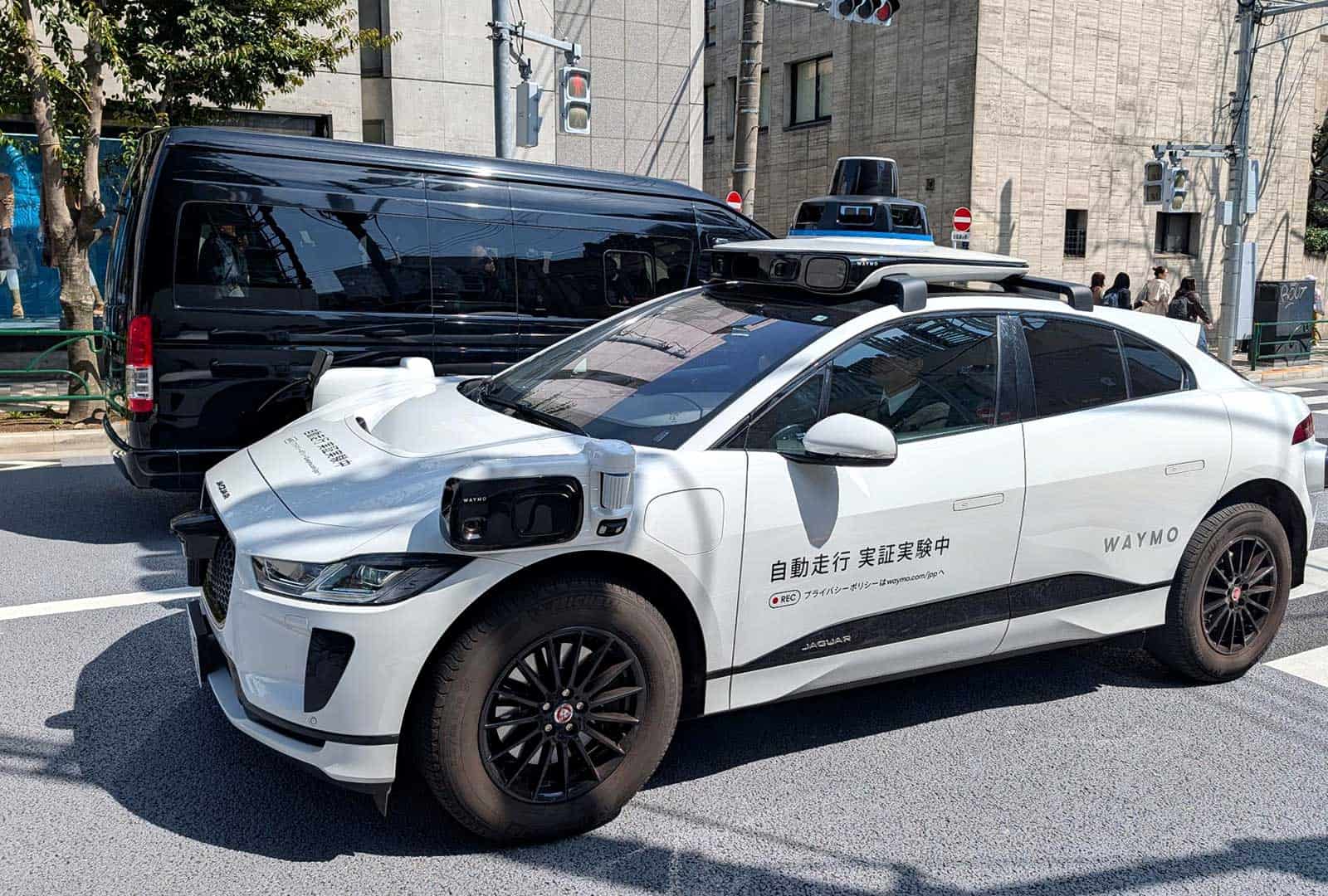
This Week in The Autonomy Economy™
Will Tokyo Be Waymo’s First Toyota Market?
This Week in the Autonomy Economy, more details about Waymo’s relationship with Toyota emerged, Tesla expanded the Robotaxi Unsupervised service area in Austin and Baidu Apollo Go robotaxis in Wuhan, yes that Wuhan, came grinding to a halt.
Why the Baidu Apollo Go robotaxis came to a grinding halt causing crashes is anyone’s guess. All we know is that the company is blaming it on “system malfunctions.” The term system malfunctions could mean anything and we do not have clarity on what caused the incident, nor do we ever think we will get clarity on what truly caused the halt.
But now there is a marker we can put in the ground. A metric that we can watch as Baidu expands their Apollo Go robotaxi program overseas. Does the Wuhan event end up becoming a one off event or does this situation happen in another city that is not on the mainland of China? We are unsure, but it is something we are going to be watching to see if this incident emerges into a trend.
It is important to see if this incident becomes a trend, because there is limited insight into the performance of Chinese robotaxis globally. The narrative that China is ahead of the U.S. on autonomy and especially Waymo does not hold up in our book. Waymo has to report all incidents and the company has been very transparent about their safety record and we have government data to back up that transparency.
Until there is more transparency into the current status of Chinese robotaxis, questions will continue to emerge about the current state of their autonomous driving technology. No matter the state of their autonomous driving technology, it is becoming very evident that China is embarking on what we have coined the Autonomous Belt and Road Incentive.
On Autonomy Signals, our new podcast co-hosted by Grayson Brulte and Rob Grant powered by our proprietary OMEGA algorithm, we have begun to uncover the early signals of this initiative through local press mentions of factory investments, announcements of autonomous public transit awards and press release after press release announcing new cities with mostly Western partners.
China is deploying the Belt and Road playbook for autonomy. Are you watching the signals? We are. If you are interested in learning more about AUTNMY AI and our proprietary OMEGA algorithm, please send an email to alpha [at] autnmy.ai.
📰 Need to Know: This Week in the Autonomy Economy
What is the latest on Waymo’s partnership with Toyota in Tokyo?
Waymo is currently testing Jaguar I-PACE vehicles in Tokyo but has officially confirmed it is co-developing a new autonomous vehicle platform with Toyota. Waymo’s Chief Product Officer signaled that a Tokyo launch could happen in just a few months (likely July or August). Ultimately, industry signals suggest Tokyo will transition into Waymo’s first exclusive Toyota market, giving Waymo deep integration, home-market advantages, and unmatched global scale.
Why did Baidu’s Apollo Go robotaxis crash in Wuhan?
The Baidu Apollo Go robotaxi fleet in Wuhan recently came to a grinding halt, resulting in several crashes. Baidu attributed the mass outage to vague “system malfunctions,” leaving the exact cause unclear. This lack of transparency is raising serious questions about the safety and reliability of Chinese robotaxis, especially as these companies look to expand their operations globally.
What is China’s Autonomous Belt and Road Initiative?
Coined by Grayson Brulte, Autonomous Belt and Road Initiative refers to China’s aggressive, globally focused expansion of its autonomous technology. Backed by a massive $400 billion investment in robotics, China is mirroring its traditional Belt and Road playbook by securing overseas factory investments, winning autonomous public transit awards, and launching new city deployments through strategic, often Western partnerships.
How is Tesla advancing its robotaxi program?
Tesla has just expanded its Robotaxi Unsupervised service area across Lady Bird Lake and straight into downtown Austin. Field reports from riders in Texas describe the unsupervised Full Self-Driving (FSD) experience as a smooth and cautious ride, signaling that it is only a matter of time before Tesla begins to scale this service to a wider audience.
Where else is Waymo expanding its footprint in the US?
Waymo is making major strides across Texas. The company recently expanded its Alamo City operations to include curbside drop-offs at the San Antonio Airport, covering a 60-square-mile service area. Meanwhile, in Houston, Waymo has officially begun highway testing within its 50-square-mile zone as it prepares to transition out of the early rider phase and into true commercial service.
What’s Moving the Markets
Will Tokyo Be Waymo’s First Toyota Market?
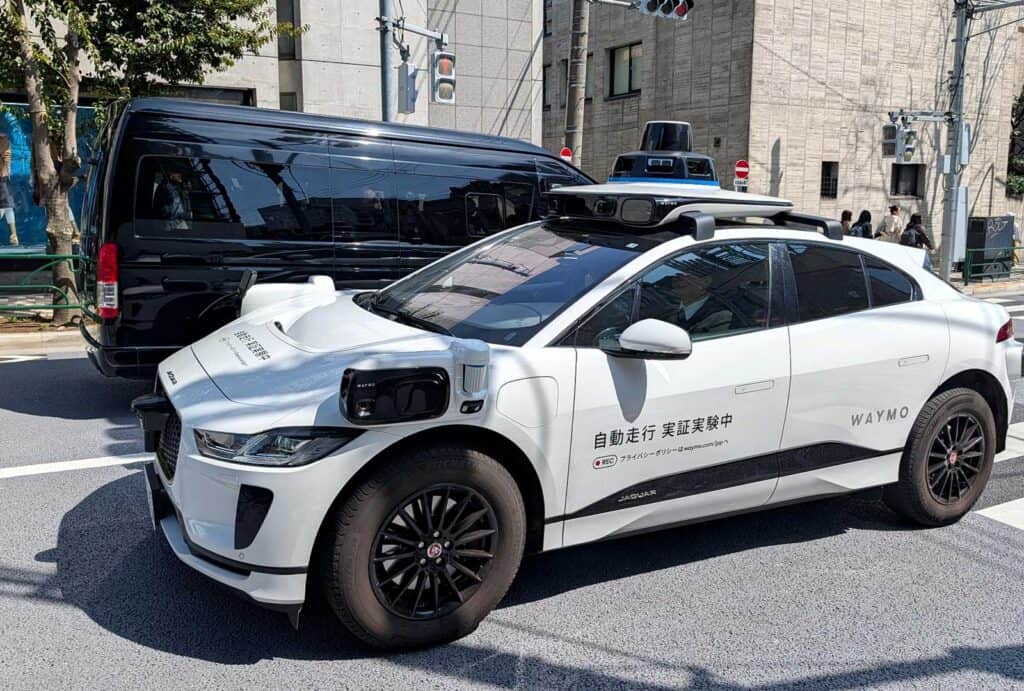
At a media briefing in Tokyo last week, Waymo Chief Product Officer Saswat Panigrahi mentioned two things that deserve a closer look, as his statements provide strong signals regarding Waymo’s Tokyo plans.
First, Mr. Panigrahi was direct about Waymo’s relationship with Toyota as he stated the following during the press event:
It is important to collaborate with automakers around the world that are developing self-driving vehicles. In Japan, we plan to collaborate with Toyota Motor Corporation and are exploring together what we can do to develop self-driving cars.
Saswat Panigrahi , Chief Product Officer, Waymo (March 27, 2026) – Waymo Tokyo Press Event
Second, Mr. Panigrahi emphasized that Waymo’s main focus is on creating the Waymo Driver, not manufacturing cars themselves. As Waymo once again reiterated the company’s focus on creating the Waymo Driver, OEM partners are needed to make it a reality. You can have the world’s best driver, but without a vehicle to drive, you only have a research project.
To understand the importance of these signals, we have to look back at the preliminary agreement Waymo and Toyota announced on April 29, 2025. That press release laid out a dual-track strategy that could see Toyota vehicles integrated into the Waymo fleet, while exploring how to leverage Waymo’s autonomous technology and Toyota’s vehicle expertise to enhance next-generation personally owned vehicles.
For a year, the market wondered (and we debated it on Autonomy Markets) what the premise behind the press release truly was and when we would get a more concrete statement from both Waymo and Toyota.
It took exactly 336 days to get a signal, and that signal came from an official Waymo press event in Tokyo on March 27, 2026. Now we know that Waymo and Toyota are actively co-developing a new autonomous vehicle platform.
While we do not know the form factor or what the design will look like, all signals lead us to assume that the exploration phase of this relationship is over and has transitioned into the design and development phase.
As we get closer to the deployment stage, we do know from official Waymo X posts and public photos that Waymo is actively testing the Jaguar I-PACE vehicles in Tokyo.
During that same press event, Mr. Panigrahi noted that a Waymo Tokyo launch could be ready in a few months. A few months would put us in the July/August timeframe.
Will Waymo and Toyota unveil their new autonomous vehicle platform by then and announce a timeline for deployment? If all goes according to plan, it appears that Tokyo will become Waymo’s first Toyota market.
In our opinion, the first commercial service vehicles in the market will the Jaguar I-PACEs and they will eventually phase out over time as Tokyo solely becomes a Toyota market. How long that will take is anyone’s guess, but the signals are clearly there.
As we discussed on Autonomy Markets this week, Toyota gives Waymo something no other partner currently offers for the Tokyo market:
- Deep Integration: A manufacturer capable of seamless hardware-software alignment at mass volume who can export globally.
- Home Market Advantage: A respected company that could potentially help with the regulatory environment and public adoption of the Waymo service.
- Unmatched Global Scale: The production capacity required to reliably support a massive global scaling of Waymo.
Over time, if this partnership expands into personally owned vehicles, Waymo and Toyota could turn the global L2+ market upside down, creating a direct showdown with Tesla.
Our Take: Waymo is about to scale faster then the market realizes.
Waymo is currently ranked #1 with a bullish outlook on the AUTONOMY LEADERBOARD in the personally owned autonomous vehicles category.
Piquing Our Interest
Waymo Begins San Antonio Airport Service Waymo has expanded service to the San Antonio Airport complete with curbside drop off to their 60 square mile service area in the Alamo City.
Waymo Is Now Testing on Houston Highways Waymo’s Houston service area is roughly 50 square miles today and still in the early rider phase of deployment. As the company prepares for true commercial service, they have begun highway testing in the Space City.
Applied Intuition Launches Edge Edge is a mobile operations center for autonomous systems designed to enable faster scaling without standing up new infrastructure for defense and heavy industries.
Baidu Apollo Go Suffers Mass Robotaxi Outage in Wuhan Causing Crashes Yes, that Wuhan. But this time it did not bring the global economy to a halt. It was only the Baidu Apollo Go robotaxi fleet that came to a halt causing vehicle crashes, not stock market ones in what the company called a “system malfunction.”
WeRide and Uber Launch Limited Fully Autonomous Robotaxi Service in Dubai WeRide and Uber have launched a fully autonomous service with no safety attendants in the Umm Suqeim and Jumeirah districts of Dubai.
WeRide and Grab Launch Service in Singapore WeRide and Grab have launched a limited autonomous public ride service in the Punggol district of the city-state.
Geely Backed CaoCao Targets 100,000 Robotaxis by 2030 In a move contrary to the market, CaoCao is embarking on an asset-heavy strategy to scale a robotaxi service in China.
Beijing Developing Dedicated Insurance Products for Autonomous Vehicles Beijing is creating standardized insurance products for autonomous vehicles (L2 through L4) operating on the mainland in cooperation with the China Insurance Industry Association.
📰 Follow @RoadToAutonomy on X for our latest thoughts and insights on the autonomy economy.
Trending on X
Tesla Expands Robotaxi Unsupervised Service Area
Over the weekend Tesla expanded the Robotaxi Unsupervised service area across Lady Bird Lake into downtown Austin. We were in Austin a few weeks ago visiting Giga Texas, where we caught a ride in an unsupervised robotaxi. You can read our field report from our trip to Austin here.
Our take: FSD Unsupervised is a smooth ride, yet cautious. After our ride, we came away with the impression that it is now just a matter of time until Tesla begins to scale the unsupervised service.
Tesla is currently ranked #1 with a bullish outlook on the AUTONOMY LEADERBOARD in the personally owned autonomous vehicles category.
The Era of Physical AI Continues to Emerge
Martyn Briggs, Director, Thematic Investing Strategy, Bank of America joined Grayson Brulte on The Road to Autonomy podcast to discuss why Physical AI is no longer a concept on the horizon but an era that continues to emerge across humanoids, autonomous vehicles, drones, and industrial robotics.
China’s $400 Billion Investment in Robotics Accelerates Autonomous Belt and Road Initiative
This week on Autonomy Signals, Grayson Brulte and Rob Grant discuss China’s $400 billion robotics investment, surging Chinese auto exports with advanced autonomous driving systems (ADAS), and rising compute costs that could reshape the autonomy economy.
Waymo Needs Another OEM and Q4 Might Be Too Late
This week on Autonomy Markets, Grayson Brulte and Walter Piecyk discuss Waymo expanding service to the San Antonio Airport, the company’s need for another OEM partner and Baidu’s mishap in China.