


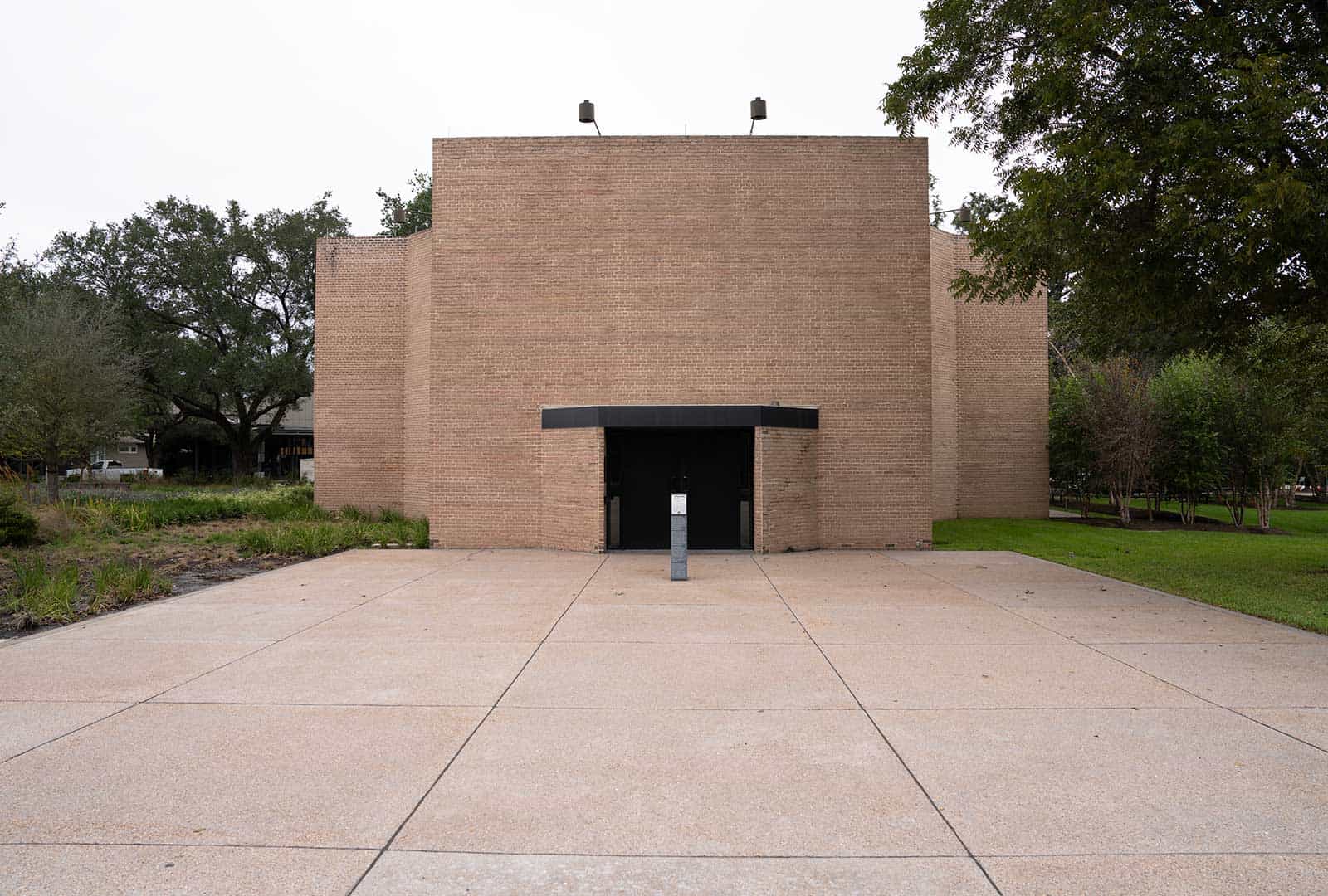
Rothko Chapel Field Report
Field Report · Houston · Waymo · Experiences
Filed By: Grayson Brulte on October 23, 2026
Field Verified
Key Rothko Chapel Report Findings
Where does Waymo drop-off and pickup riders at the Rothko Chapel in Houston?
Waymo drops and pickups riders within a short two-minute walk to the chapel doors in a quiet residential neighborhood of Houston.
What is the background and atmosphere of the Rothko Chapel experience?
The Rothko Chapel opened on February 26, 1971, featuring 14 large, dark canvases designed by Mark Rothko in his New York studio between 1964 and 1967 before his death. Visitors experience a peaceful, reflective environment surrounded by dark purple, maroon, and black artwork, as well as an exterior courtyard with a reflecting pool and sculpture.
What additional cultural connections are accessible via Waymo in the service area?
The Rothko Chapel sits alongside the Menil Collection, a surrounding artistic complex with multiple buildings offering free public access to artwork by Mark Rothko, Cy Twombly, and others. Waymo’s local service area makes it convenient for riders to use autonomous vehicles to explore cultural institutions throughout Houston.
Rothko Chapel Field Report
While conducting field work in Houston, Grayson Brulte took a Waymo to the historic Rothko Chapel and its surrounding cultural landmarks.
Location
The Rothko Chapel is situated in a quiet residential neighborhood in Houston, Texas. Waymo provides seamless curbside drop-off and pickup directly outside the location, dropping passengers off within a simple, two-minute walk from the chapel’s main entrance doors.
Venue History and Interior Atmosphere
Designed by Mark Rothko between 1964 and 1967 in his New York City studio, the space was dedicated on February 26, 1971, though Rothko passed away before its completion and never visited Houston. The entrance features a serene courtyard with a reflecting pool and sculpture. Inside, the chapel houses 14 massive, textured canvases in dark shades of black, maroon, and deep purple, creating a quiet and deeply reflective atmosphere for visitors.
Surrounding Cultural Attractions
Beyond the chapel itself, the destination connects directly to the Menil Collection, an art complex featuring multiple free-to-enter buildings showcasing pieces by Cy Twombly, Mark Rothko, and other major artists.
Outlook
Waymo offer seamless access to cultural institutions by enabling convenient, on-demand travel directly to art locations nestled within local neighborhoods. As Waymo continues expanding its service territory, using autonomous vehicles to navigate and explore urban cultural landmarks will play a growing role in overall the passenger experience.
The future is bright. The future is autonomous. The future is field reports.
Subscribe to This Week in The Autonomy Economy™
Join institutional investors and industry leaders who read This Week in The Autonomy Economy every Sunday. Each edition delivers exclusive insight and commentary on the autonomy economy, helping you stay ahead of what's next.