


Robotaxis, Autonomous Excavators and Drones That Can Find You
This week on Autonomy Signals presented by KPMG, Grayson Brulte and Rob Grant discuss Tesla’s Texas robotaxi fleet crossing 1,000 vehicles, Bedrock Robotics raising $600 million to automate construction, and Purdue researchers building a drone that can track a person without GPS.
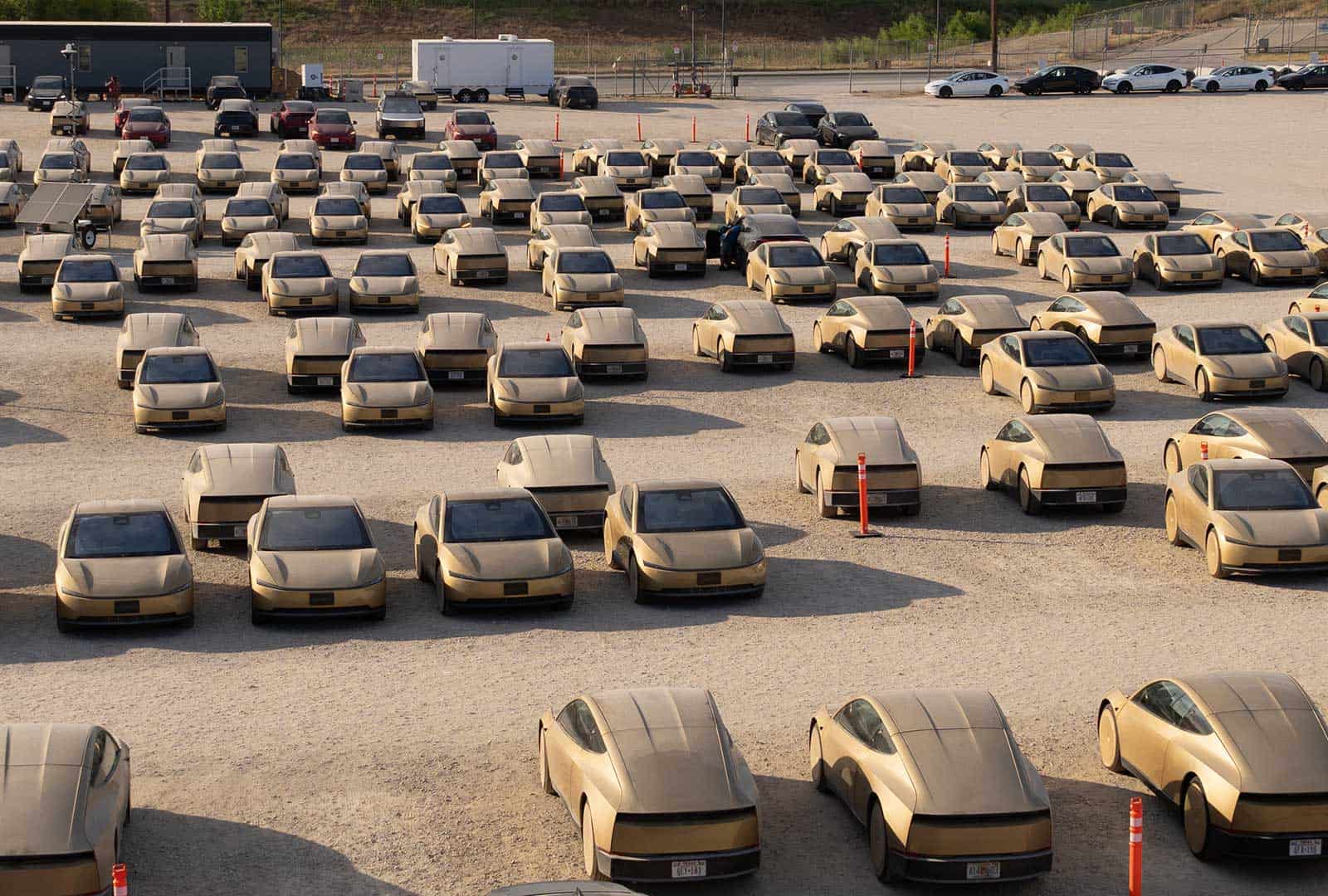
Tesla’s registered Texas robotaxi fleet crossed 1,050 vehicles, with Cybercabs now making up more than half the fleet after a tenfold ramp in Austin during October. The surge proves Tesla can build vehicles faster than it can deploy them, but with paid Cybercab rides limited to Austin and highways, rail crossings and 24/7 operation still locked, fleet scale does not establish leadership over Waymo, which logs nearly four million rider only miles a week.
Bedrock Robotics raised $600 million in a Series C led by CapitalG and Emergence Capital, valuing the two year old company at $4.1 billion. Retrofit kits that automate existing excavators offer the fastest path to revenue as skilled operators retire, though hidden boulders, wet ground and OEM control over integration could slow the jump from paid projects to repeat orders.
Purdue University researchers built a drone that tracks a running person under dense forest canopy with all processing onboard, without GPS or satellite navigation. When a university lab can build this, the algorithm stops being a moat, and the advantage for defense and search and rescue buyers shifts to field validation, manufacturing and accountable operation.
Episode Chapters
- 0:00 KPMG Sponsor Introduction
- 1:47 Signal 1: Tesla Floods Texas With Cybercabs
- 27:16 Signal 2: Bedrock Robotics Raises $600 Million
- 50:35 Signal 3: Purdue Builds a Drone That Can Find You
Presented By

The future is bright. The future is autonomous. The future is The Road to Autonomy.
Subscribe to This Week in The Autonomy Economy™
Join institutional investors and industry leaders who read This Week in The Autonomy Economy every Sunday. Each edition delivers exclusive insight and commentary on the autonomy economy, helping you stay ahead of what's next.