


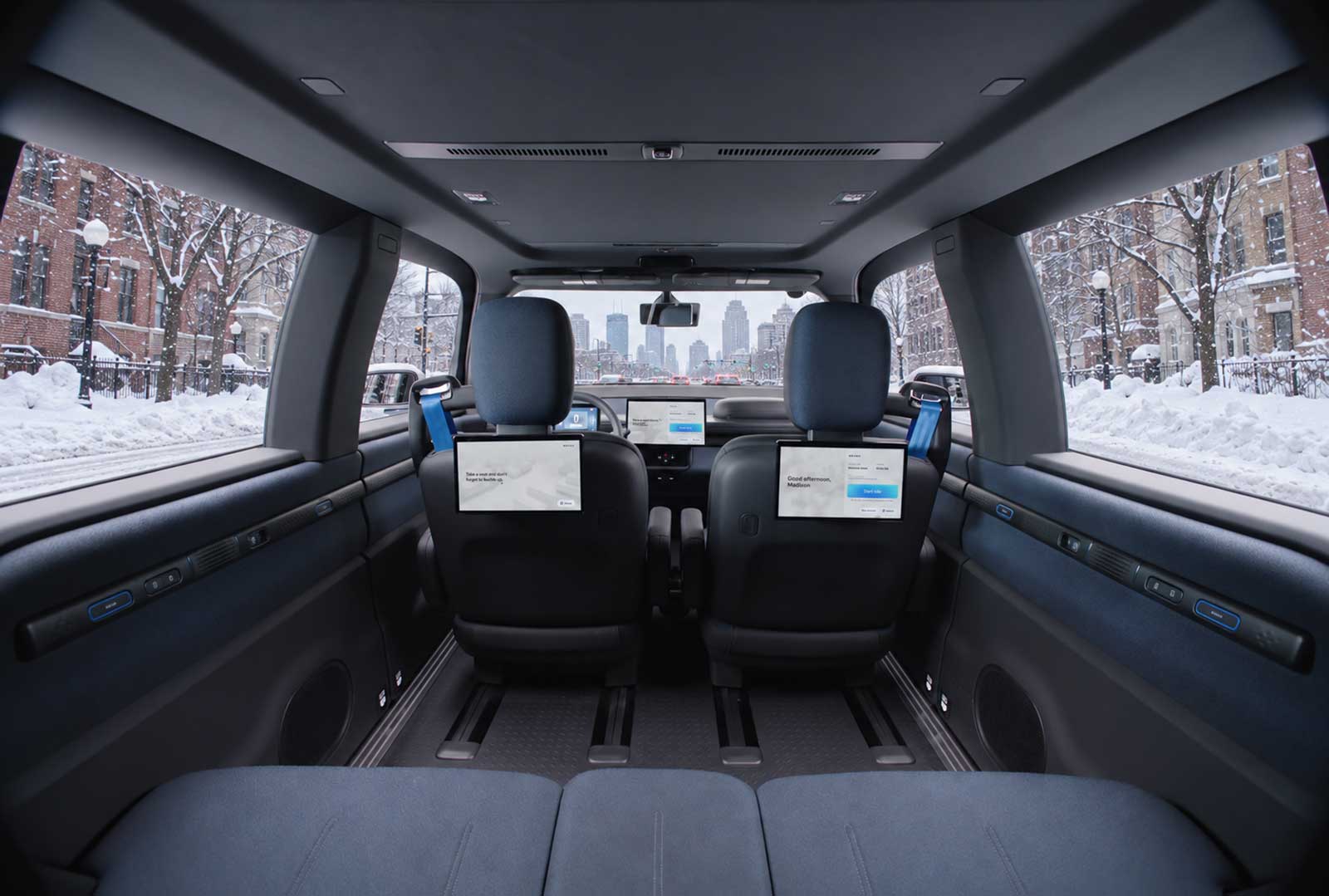
Minneapolis Mayor Vetoes Driver-In Mandate
This week on Autonomy Signals presented by KPMG, Grayson Brulte and Rob Grant discuss Minneapolis Mayor Jacob Frey vetoing a city council ordinance that would have required human safety monitors in robotaxis, California requiring remote operators of autonomous vehicles to be physically located in the United States, and the U.S. Army creating the Futures and Autonomous Systems Command.
The Minneapolis City Council voted 7 to 4 to require robotaxi operators to keep a human safety monitor earning the local minimum wage in every vehicle at all times. Mayor Frey vetoed the ordinance, calling it a backdoor ban. The council currently lacks the nine votes needed to override the veto.
The veto keeps Waymo on its path to commercial deployment in Minneapolis. However, organized labor and safety advocates who secured the council majority can bring the measure back or push for legislation at the state level. In states lacking preemption, the ordinance serves as a template for driver mandates across the Midwest and Northeast that threaten to hold operators at the testing stage.
California Governor Gavin Newsom signed SB 1246, requiring remote operators who take direct control of an autonomous vehicle to be physically located in the United States and hold a valid California driver’s license. The law also mandates that operators dispatch local incident technicians when requested by emergency services, institutes fines for blocking first responders, and requires notification of local authorities during fleetwide outages.
The requirements do not take effect until 2028, and the California DMV has yet to define the staffing ratios that will determine compliance costs. Whether offshore support teams must be relocated depends on how final rules distinguish remote assistance from direct remote driving.
Acting Secretary of the Army Adam Martell signed a memorandum establishing the Futures and Autonomous Systems Command (FASCOM). FASCOM features a dedicated portfolio acquisition executive for autonomy to prioritize autonomous ground vehicles, watercraft, resupply, and breaching systems by fiscal year 2028. The Army is also expanding its 15X Tactical Unmanned Aircraft Systems Specialist and 390A Robotics Technician roles to integrate autonomy experts directly into tactical units.
FASCOM’s modular open systems approach provides emerging autonomy companies such as Anduril, Shield AI, and Applied Intuition direct prototype lanes into operational formations, while traditional defense primes retain their roles as open system integrators.
Episode Chapters
- 0:00 KPMG Sponsor Introduction
- 01:27 Signal 1: Minneapolis Mayor Vetoes Driver-In Mandate
- 29:37 Signal 2: California Mandates U.S. Remote Support for Autonomous Fleets
- 59:01 Signal 3: Army Builds a New Command for Robots
Presented By

The future is bright. The future is autonomous. The future is The Road to Autonomy.
Subscribe to This Week in The Autonomy Economy™
Join institutional investors and industry leaders who read This Week in The Autonomy Economy every Sunday. Each edition delivers exclusive insight and commentary on the autonomy economy, helping you stay ahead of what's next.