


Waymo’s Expansion Exposes Uber’s Robotaxi Risk and Opens the Door for Lyft
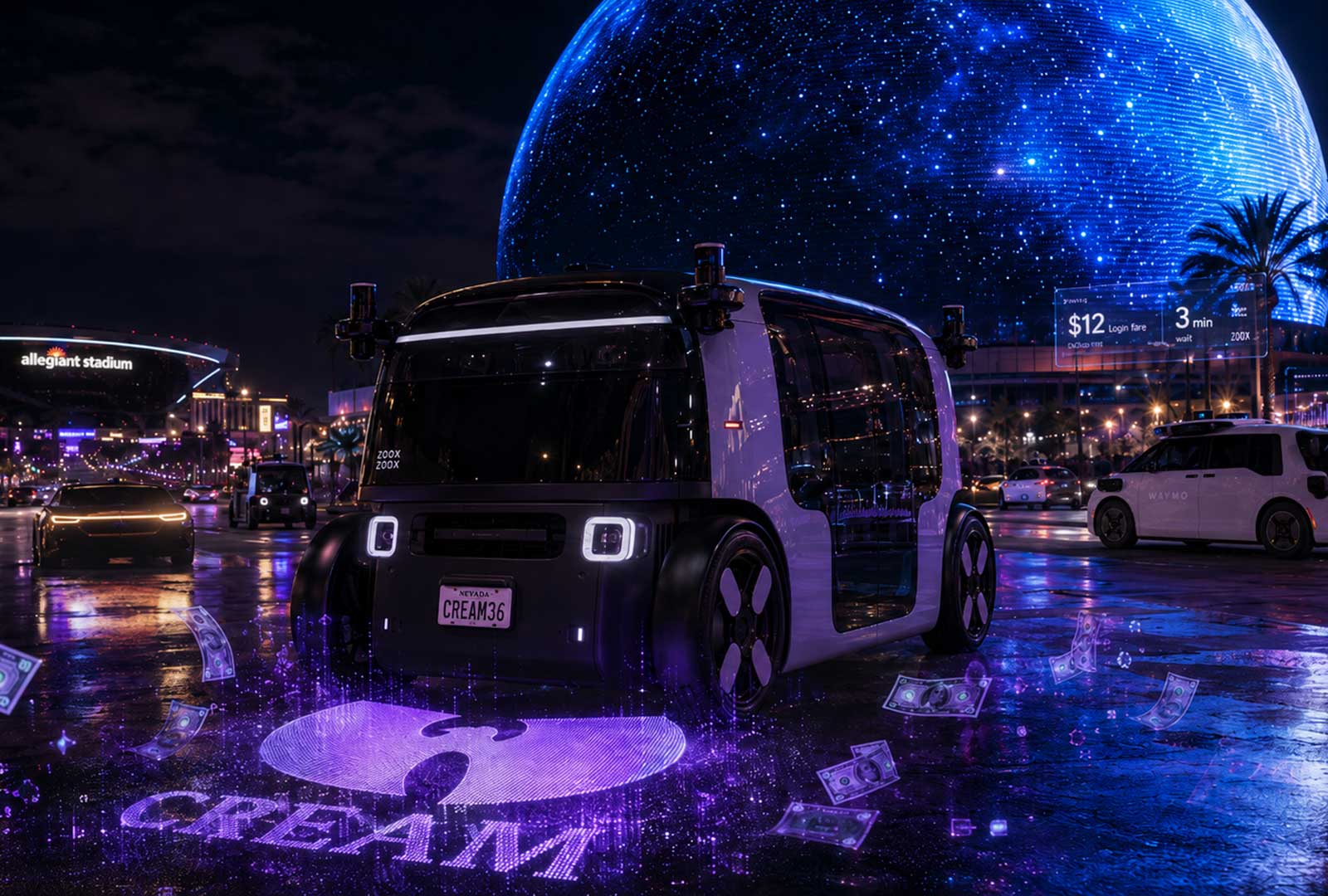
Zoox launched paid robotaxi service in Las Vegas with a $12 base fare and $1.50 per mile, but 15-to-30-minute wait times and limited destinations undercut its premium positioning. Waymo added 55 square miles in Phoenix, filed in Zurich, and secured a dedicated drop-off deal at Allegiant Stadium, while signals point to expansion toward St. Petersburg, Florida.
WeRide reported doubled sequential revenue and 30,000 L2+ ADAS units delivered, with the CEO and CFO highlighting regulatory permits as a competitive moat. Uber’s relationships with Waymo, Motional, and Serve Robotics all show signs of strain, raising questions about whether the platform model can scale alongside autonomous vehicle partners.
Key Autonomy Markets Episode Questions Answered
Why is Zoox’s $12 base fare considered an issue?
Grayson argues that a 15-to-30-minute average wait time and limited destination coverage make the premium price hard to justify. Walt notes that pricing largely doesn’t matter until Zoox achieves real scale in the market.
What did WeRide’s CEO or CFO say is the true competitive moat for AV companies operating on platforms like Uber?
On the WeRide earnings call, management stated that the moat is in fact regulatory, meaning the license to operate in a given market, not the platform relationship that determines ride volume allocation.
How many Waymo vehicles could potentially be available for U.S. service based on inventory data?
Drone footage showed roughly 950 vehicles at the Mesa plant with about 684 finished, and U.S. Customs data indicated 3,200 Zeekr vehicles entered the country. Combined with a previously reported figure just south of 4,000, the hosts estimate up to 7,200 Waymo vehicles potentially ready for U.S. service.
Autonomy Markets Topics & Timestamps
[00:00] Zoox Launches Paid Rides in Las Vegas
Zoox begins charging for rides in Las Vegas with a $12 base fare, $1.50 per mile, and 40 cents per minute. Premium pricing paired with 15 to 30 minute wait times and select destinations makes it a tourist attraction, not a premium product.
[07:19] Fleet Fragmentation and the Lyft Opportunity
With Motional scaling to hundreds of vehicles in Vegas, the question becomes who gets allocated rides on the Uber platform. Lyft has an opening to bear hug autonomous vehicles partners with FlexDrive and deploy the non-exclusive Nashville model being pioneered by Waymo.
[11:24] Waymo’s Dedicated Zone at Allegiant Stadium
Waymo announces a dedicated pickup and drop-off zone at Allegiant Stadium while Zoox holds Sphere. In a market where every casino deal is cut on private property, curb access becomes a competitive moat.
[19:16] Waymo Adds 55 Square Miles in Phoenix
Weeks after the Uber divorce, Waymo expands its Phoenix service area to 350 square miles. Demand is not the problem.
[21:07] Waymo’s Upcoming European Expansion
OMEGA uncovers a Waymo incorporation in Zurich registered to Google’s largest engineering office outside the United States, one week after the president of Switzerland rode in a Waymo in Mountain View.
[24:06] WeRide Earnings
Revenue doubles sequentially, overseas hits 40% of revenue, and 30,000 L2+ and L3 ADAS units ship. On the call, management confirms the moat is regulatory, and once companies own the permit and the brand, the platform becomes optional.
[28:06] Mercedes, NVIDIA, and the Compute Question
WeRide’s Level 3 development with Mercedes throws shade at NVIDIA’s full stack, and Chinese compute alternatives raise the question of who actually powers the next generation of ADAS.
[31:44] Uber Serve Robotics Divorce
Uber exits its equity stake in Serve Robotics and pulls back the business, the second partner divorce in a pattern. Serve pivots to DoorDash, where orders surged 50% in the quarter.
[40:47] 7,200 Waymo Vehicles
Drone footage over the Mesa plant shows roughly 1,000 vehicles staged, and U.S. Customs reports 3,200 more Zeekrs entering the country. That puts a potential 7,200 Waymo vehicles in the pipeline with 100% tariffs as the starting point on cost.
[44:03] Foreign Autonomy Desk
Uber and Wayve prepare a supervised Tokyo launch with lidar-equipped Nissan LEAF vehicles, with the word supervised buried in the last paragraph of the press release, and Waymo’s European beachhead spans six countries in six weeks.
[47:56] Next Week
Baidu and Pony AI report earnings, and Aurora hosts a town hall for retail investors.
Full Episode Transcript
Zoox Paid Launch in Las Vegas: Pricing and Wait Times
Grayson Brulte: Walt, I’m going somewhere that nobody’s expecting I’m going this week. Zoox said, “Dolla, dolla bill, y’all,” as Waymo continues to shadow box, as WeRide builds the Enterprise. And yes, that’s Wu-Tang for the children. Let’s start with Zoox, ’cause they’re saying, “Cash rules everything around me. Cream with the money. Dolla, dolla bill, y’all.” It’s this $12 starting price. It’s it’s high
Walter Piecyk: I don’t even know where to begin with that opening. That is, that was quite the opening. But I think for our listeners, what Grayson is talking about is, as a follow-on from last week Zoox did go launch with paid service. Remember last week, they described paid service as comfort tier. this is definitively not comfort tier. The base price is 12 bucks, $1.50 a mile, 40 cents a minute. You know, those, there’s, those kind of, those metrics, you know, the per mile, the per minute thing, would probably be on comfort tier, but when you throw in a $12 base fare you’re getting well above that. So they’re, they’re pricing this at a premium to the market. So, let’s hear Grayson’s take on the pricing of Zoox in Las Vegas for this first paid launch for Amazon Zoox
Grayson Brulte: I love this. You’re acting like the hype man here. I mean, you can’t go wrong today, Walt. This is awesome. is priced as a luxury product. But the downside is, in all the reports and all the screenshots that we’ve seen on X and on Reddit coming out of Vegas, average wait time is 15 to 30 minutes. So you cannot price the product at, at, at that high for a 15 to 30-minute average wait time. And a luxury product does not allow you just to go to select destinations. You have to be able to go to any destination. So you said this, I think it was last week or the week before, that it’s like a Disney World ride, and you’re right. And in your note that you put out to LightShed, you’re right. It’s not a premium product, it’s a tourist attraction. And when Waymo enters the market and Tesla enters the market, I don’t know how they’re gonna be able to maintain this level of pricing ’cause I could sit here and make a very stern argument that riding in an Ojai or riding in a Cybercab is an attraction as well, so I don’t know. Too much, too little, too long is how I would summarize it
Walter Piecyk: Yes, I did say, I did call it a Disney ride, and that’s why I don’t think pricing really matters until you have, frankly, scale in this, in this market. but I just wanna pick up on, on two specific things. First, the 15 to 30 minutes, I mean, on the last week’s podcast, you made a big joke out of correcting me to say that it was, like, a 75-minute wait. So while 15 to 30 minutes is, is, I would- I wouldn’t call real service, it’s still an improvement, so congrats to Zoox for getting your wait times down to 15 or 30 minutes. And then the second thing, Grayson, is what you brought up, I think, in, in that in your comments there, is, like, how is it gonna work with Uber? Like like, let’s assume that Uber is not gonna price this there. Like, are you gonna have two separate prices in the market? I think that’s fine, right? ‘Cause if someone really wants to go to Vegas, they wanna try, they see this, you know, this funny-looking car that, that is the Zoox go by, they wanna try it again, for the Disney ride aspect to it. If you go to the Zoox app, that’s one thing, and they’ll charge whatever they wanna charge versus Uber, where it’s just gonna be random when it gets assigned to you. So I, I suspect they’ll, there’ll be different pricing in the market
Zoox on Uber: Pricing Tiers and Market Fragmentation
Grayson Brulte: That’s a very interesting point. So hypothetically, let’s say you can access Zoox on UberX or you can access it on Comfort. You’re looking at a minimum 20 to 40% discount. Does that undercut the Zoox service where somebody says, “Okay, order, cancel, order, cancel, order cancel,” until you get it to save that 20 to 40%? That’s a lot of money, not to mention you’re in Vegas. That savings can be put towards gambling, so a lot of potential there
Walter Piecyk: Getting around Vegas is hard enough as it is. I’m not sure you’re gonna waste your time doing that. Again, I think you’re gonna basically, like we’ve said many weeks in the past just go directly to the, to the Zoox app. In the case of the Uber, the thing that you describe, and I think the thing that we’ve asked about, let’s say in, in Austin with Waymo, is my understanding is, is that Waymo is the one determining, you know, whether there’s a separate tier for them on that Uber app, as opposed to Uber making that determination. That may differ with how Zoox’s relationship, I don’t know. Like I, I just don’t know. I, I think the typical thing we’ve seen is like with AV Ride, it’s just part of, I think, a comfort tier as opposed to its, its own tier. But in this context, like given it’s like a, you know, a novelty and all the branding there, you know, maybe Uber does put it on a separate thing. I, I don’t know. Uber is so sensitive about long wait times and pricing, I don’t think that’s gonna be the case. I think it’s gonna be like they’ve done most of their, not all, but most of their other markets, ’cause I think overseas there is a separate autonomy tier. but I think in this case you’ll probably see it you know, just as, “Hey, you’re gonna happen to get assigned it.” And then if they do, when will Uber ever assign to a rider a 15-minute wait time? So like what is the chance you’d ever match just based on Uber’s obsession, right, with having very short wait times? It, it’ll just be fascinating to see. So I guess we don’t ne- necessarily need to make, need, or need to make our road trip out to Vegas right now. I think we both know how the Zoox drives already. I’m not sure that that has dramatically changed, since you and I both have tested it in Vegas, among other locations. but once that Uber thing lights up, which I think is weeks, months, whenever it is, certainly by CES, that’ll be a fascinating s- thing to observe in how that actually rolls out.
Grayson Brulte: Yeah. I mean, unfortunately, based on the terms of service, we can’t shoot an Autonomy Markets episode in the Zoox carriage or Zoox mobile, but we can, we can legally shoot it from the road because, as you and I know, that is public property. Very valid point on Uber’s wait time. To me, in my humble opinion, it’s built into their culture of less wait time, better customer satisfaction. Overseas, you’re right, the UAE is the only market where they have a dedicated tier. Uber seems very proud of that. It is my belief, and I have no data to back this up, is the reason they don’t do it in America is they’re worried about the driver rebellion. Again, that’s pure speculation, but something doesn’t add up there. But then let’s hypothetically say that they do not do a tier. They put it into X, and they, they bundle it all together, human drivers, Zoox. There’s another equation in that: Motional. So then who, how is, is Uber gonna determine, “Okay, we’re gonna give 20% autonomous rides to Zoox. We’re gonna give 20% autonomous rides to Motional”? How do you think that’s going to be determined? Right now, we know that Motional has 100 vehicles currently in Las Vegas, and we saw the wonderful video they posted on X. They’re getting more vehicles from the Singapore innovation plant, so hypothetically they’re gonna get to hundreds in Vegas. How are they gonna determine who, who gets what share, and then who can operate where and when?
Lyft’s Opportunity to Bear-Hug Autonomous Vehicle Partners
Walter Piecyk: I mean, it’s an existential question, right, for the field, as I would call them, in terms of is there gonna be enough eat, enough to eat to f- to be fragmented within the Uber platform. When we talk about, like, Waymo scaling, it’s because it’s all effectively gonna be on their platform. It’s, it’s might be a little bit more challenging to scale if your partner is determining the volume that you get and, and we’ll, we’ll talk later in the podcast about one of Uber’s partners serve on the food side of things and, and, and what happened in that relationship. In the case of Zoox, obviously, like, they’re backed by Amazon, they could presumably do this alone. This is what they’ve said for a long time that they’re gonna do. There’s nothing about this relationship that prevents it. Motional, Nuro, others, I think at least in the near term, might be more beholden to having to deal with, with Uber. However, like, let’s not forget there’s Lyft out there, right? We can get there, get to that later and, you know, there’s an opportunity for Lyft to really kinda step up at a time when Uber might be maybe a little bit more confrontational with these AV players. Lyft has kind of been stuck in a distant second place. You know, this is their time when you have a major transition to try and bear hug. You know, maybe you’re giving up more, you know, more control, more economics, whatever it is, to try and bear hug, you know, some of these partners at a time when they have to grapple with these exact things that you just pointed out in terms of do you get enough volume when it’s controlled by the platform partner and the platform partner’s putting multiple players in a given market?
Grayson Brulte: That is a very valid point, and let’s not forget about the asset that is inside of Lyft that I gotta give credit, you and I are some of the earliest folks to talk about it, Flex Drive. They’ve got that maintenance below the line built in there. And this is a hypothetical, let’s say, okay, Lyft says, “Okay, we’re gonna put one AV partner per market, and we’re gonna do the same deal we did with Waymo in Nashville, where you can operate your own app and you can also operate with us non-exclusive.” That gets really interesting, and in, in my opinion, that becomes a threat to Uber, says, “Okay, I can go on Acme app or I can go on Lyft, and I don’t have to worry about what I’m gonna get.” There is a really interesting opportunity for Risher and the team at Lyft to accelerate into autonomy and say, “We’re back.”
Pickup and Drop-Off Locations as a Competitive Battleground
Walter Piecyk: So when you mention, and, and by the way, that’s true whenever there’s a technological change, the opportunity for disruption exists. This is why, you know, there should be valid concerns over Apple. Like we may, we may, you know, interact with our data in a different way in the future. Maybe Apple, you know, positions itself well so far, not that, not, hasn’t done a great job. I’ve been using the new Syr- Siri on a beta basis. It’s not good at all. But when you have these trend, these technical changes, that’s when, you know, leadership is at risk of changing. And historically, it hasn’t gone well for those that are kind of maintaining, you know, cash and trying to protect the, the moat that they have. But the other thing that you brought up there you know, Grayson, is you’re right, and we’ve talked about this since the earliest days, and I think it’s often overlooked. It’s represented in a way with FlexDrive, but it’s the operational aspect of it. It is getting those locations. It’s hard to do in terms of power and servicing. This is gonna be, you know, an important item. Maybe not now, right? Because if you’re only dropping, in Waymo’s case, the volume share leader globally, in a couple hundred cars per market, not as essential. But we’re not far away from them scaling up and it’s thousands, and then that element of the model becomes more important. I think it’s a, it, it, I think some of these larger companies, whether it’s Uber or Waymo m- might need to think twice about, like, whether they want better control of that. There’s a second– Now there’s an additional element of that, Grayson, which has emerged now because of Vegas. It’s not only necessarily locations for charging a- and, and charging and servicing the vehicle. What about actual pickups and drop-offs? This week or today, we saw Waymo announce the deal with Allegiant Stadium for, I think it’s, I guess it’s with the Raiders. so they drop off at Allegiant Stadium, which is where the Raiders play in Vegas. By the way, I’ve been there. Phenomenal stadium. Try to go to Vegas if your team ever plays the Raiders. It’s a great experience. on the flip side, Zoox is at Sphere. Now, I don’t know if these are exclusives or not. That’s work for me to do. Next week, I hope to come back and rep- and report to you. I certainly would recommend the NFL maybe use this as an opportunity to, to, you know, create a partnership with one of these guys and, and, you know, encourage these companies, you know, to make those upgrades and, and to make those connections for autonomy. They certainly have done that on the, the telecom side of things. If you’re, if you’re getting a Super Bowl, you have to upgrade your stadium to get, you know, better Wi-Fi and, and these basically the femto cells, the s- the, you know, the DAS networks, the things that make your cell phone work better. Like the NFL has that ability and locations are obviously gonna be important Do you think this is another battleground in terms of, again, pick-up and drop-off locations? They own the property. Like, y- you could argue, you know, maybe long term you wanna let everybody, but, like, when you’re small scale now and, and autonomy is considered a, considered a novelty, it seems like that can be a differentiation point, no?
Grayson Brulte: Yes. It goes back to the early days. I feel like we’re, we’re, we’re channeling back to the early days as we get closer here to episode 100. We’re getting old here, Walt. Experience, and in the Waymo press release, there was a key line, ’cause you know I like to go through things with a fine-tooth comb. In the Waymo press release, there was a word that stood out to me: dedicated. Dedicated drop-off and pickup zone. That’s right, dedicated. What does that mean in theory? That means perhaps it is a closer drop-off than you could get with Uber and Lyft. Less walking area. Perhaps you can get out of the vehicle and walk right in. So I reached out to Waymo and I said, “Are you going to make a map public?” Waymo told me at some point they will make a map public. They have not shared it with me yet, but when they do make it public, we’ll share it here. Could you imagine that? You and I are, I don’t know, we, we just had a lunch at Spago and then we take the Waymo f- there at Bellagio, we take the Waymo over to Allegiant and we get dropped off and, you know me, I don’t like to, to walk far. Going to that Kiss and Fly, that’s too far. The Waymo drops us off, we walk in 100 feet, we’re in the stadium? And because you’re, you’re Walt The Baller, you know, we got Wu-Tang going on today. We’re in the skybox enjoying the game with Brady? That’s a hell of an experience, ’cause it’s dedicated
Walter Piecyk: Yeah, I mean, again, you don’t wanna piss off the people that are coming to your venue. but again, like let’s look at the airport. It’s not like we don’t have a precedent for this, and you pointed it out. Like, if I can get Uber Black, I can get, walk out of the San Francisco Airport and hop right in. Otherwise, I walk to the garage. And if I want Waymo, perhaps for political reasons m- less so than actual monetization reasons, I gotta go to the kiss and, kiss and fly lot. this is private prop- w- Let’s put the airports aside now. This is private property we’re talking about, right? Stadiums, venues. There are marketing partnerships. The Sphere is a company that can generate a sh- a lot– Sorry, Mom, I was about to say it, a lot of money through advertising deals, which I think they have one with Zoox. You- They’re plastered in the airport. You know, it’s probably, they can post it on the outside. You can sponsor bars. If you’ve ever been in the inside of The Sphere, that is a, that is a huge opportunity, a lot of opportunities there in Vegas. and it could be ultimately a, a very fragmented market. And look, ultimately, could it be the point where they have to allow everyone in? Sure. But to your point, maybe it’s a little bit further of, of a walk and, and that helps market share. So I don’t know. It’s, it’s, it’s a new, it’s certainly a new battleground that we should think about and, and we put that in the bucket of infrastructure. It’s similar to, again, who’s gonna have the power and the charging and the cleaning in the, in the right locations to maximize the performance of autonomy when we’re talking about thousands, hundred, tens of thousands of cars in a market as opposed to, like, 200
Grayson Brulte: You hit the nail on the head with private, and for the audience that’s not aware, when you are operating a service in Vegas, you have to cut a deal with each casino, each casino holding company. You cannot go on that property without a deal. And when you look at Allegiant, they have a big chunk of land on the opposite side there of the highway. Taking this one step further, Walt, this is hypothetical, we don’t have any details on this, it’d be fascinating. What if on top of the dedicated pickoff and dropoff zone for Raiders games, they got a dedicated loading zone where they could stage the vehicles after the game? So not having to walk over the bridge, walk a, a mile this way to get an Uber, a mile that way to get a Lyft. They’ve got 2, 3, 400 vehicles staged up to get you out of there, and your wait time’s sub five minutes. Everybody’s gonna rave about that experience. And all suddenly, I, I, I gotta say it, all suddenly, all those vehicles are going back to the airport, to and from the airport, and ’cause Waymo can go on the highway over 55 miles an hour. That is a huge competitive moat as the Southwest flights go back to California for Raiders games
Walter Piecyk: The other thing it opens up is obviously premium pricing. Just like you get off an Uber Black at San Fran, you know, you can get picked up at the curb. You get me, you know, why walk out of this, the Allegiant. Sphere is, is less of an issue. Sphere I think is closer to like where a lot of the hotels are. The Allegiant is a little bit further out, at least for me. Maybe I don’t know all the hotels, but at least where I stay. So when I went to a game there, it was a long, long walk to get to where I needed to go. So if I could, you know, if I could pay up for one of these autonomous vehicles at a specific location and get out of there, absolutely. and that would fit into premium pricing
Grayson Brulte: Walt Jason asked you this on X, so I’m gonna ask you here for the public. You’re Mr. Cosmo. Why Cosmo? You always talk about the Cosmo. Yes, the Mandalay Bay is the closest hotel, or the Four Seasons if you’re a baller, to the game, but you’re Mr. Cosmo. So for the audience here that doesn’t read your X account, @WaltLightshed, why Cosmo?
Walter Piecyk: I’m no huge fan of Cosmo. I think you know, it’s not the best hotel for sure, but, you know, there’s a lot of media stuff over there. We do things in the media at the, on the LightShed side of things, and our big party, as I mentioned last week, is, is at the Cosmo. I suspect it’ll be there again this year. So, you know, who, who knows where I’ll stay this year. I’m gonna mix it up
Grayson Brulte: There’s a hedge emerging. There’s a hedge emerging
Walter Piecyk: Bottom line is you wanna have enough locations and, you know, you don’t wanna have to necessarily figure out what app you wanna use in order to go to this. But I think this might be something somewhat unique to Las Vegas. I, I don’t know, you know, in other cities whether you’re gonna have so many locations structured in a way where private property entrance is, is certainly gonna be required
Grayson Brulte: I would say it’s in the United States it’s a Las Vegas issue. I don’t see it. You know, globally there, there could be real estate infrastructure licensing issues, but in the United States it is purely a Las Vegas issue. And if you’re the weird wonky person I am and you, and you look at economic data, Las Vegas has to do something to get that economy going again. They need to get people going there, need to get their RevPAR up. For those that don’t know, that’s revenue per available room. It, it’s down, tourism is down, conventions are down. Perhaps autonomy could be a, a jolt to Vegas’ economy if they play their cards right
Waymo Expansion: Phoenix, St. Pete, and European Filings
Walter Piecyk: I mean, I don’t know. I think there are a lot of locations nationally. I mean, you talk about Disney World getting access to, to take you right into the parks. again, private property. and I can think of commercial locations and movement of goods and services where this is gonna matter. But let’s move on to Waymo’s expansion. Phoenix. Remember Phoenix? This was the place where they had the joint where Uber, you could get a Waymo on Uber, but it was, now we know, 10 cars, less than 10 cars maybe in Waymo. So soon after that divorce, voila, Waymo’s now added 55 square miles, this is weeks after that divorce, in that market, and obviously even less time since some of these news stories hit from the Financial Times about the, the broader issues between these two companies. So the service area is now 350 squared miles. Let me just put that in context. 350 square miles in Phoenix, which is not, like, a highly talked about market in terms of Waymo. ‘Cause WeRide, you know, who, which is perceived as one of the, you know, the bigger guys, a lot of people think China is, like, you know, gonna really crush us in I don’t know how many different things, was on their call. Great call, by the way. We’ll get to that later. Talking about how Guangzhou, Guangzhou, excuse me, ODD tripled since the end of 2025. You know what they’re up to, Grayson? 174 square miles. 174 is less than 350. So we, we do have obviously impressive expansion from Waymo, and again, interestingly, in the market where they were previously partnered with Uber
Grayson Brulte: Yeah. It, and the fact that they got divorced, they add on 55-plus square miles, it clearly says to me demand is not a problem. The brand is resonating. Yes, I know they started in Chandler, and that was the, for all practical purposes, the home base of Waymo. But adding on that square footage, taking it to 350 square miles, that’s the real deal holding field, and demand is not a problem
Walter Piecyk: Now you’ve been putting on your Inspector Clouseau hat. where else are you anticipating expansion in the US and let’s say globally?
Grayson Brulte: The US, we know because the Tampa Bay Times has reported today actually, that Waymo met with St. Pete Department of Transportation officials. So there is an indicator, and as I say, indicator that Waymo is going across the causeway to connect Tampa to St. Pete. So that’s a big deal. That is a pretty interesting ODD because that causeway in the middle, as we know early on, robotaxis that were using lidar could not go across long bridges with water. Waymo has solved that. I’ve experienced it in Miami, so well done there for Waymo. That’s an interesting, interesting market. And then the inspector hat on went on with a side of OMEGA, you know, AUTNMY AI’s algorithm, it uncovered a filing that Waymo has incorporated in Zurich, registered it to Google’s headquarters, which for the audience, that is Google’s largest engineering office outside of the United States, and a week before that filing, the president of Switzerland was in Mountain View and went for a ride saying he wanted to bring Waymo to Zurich. So Walt, the clues are there
Walter Piecyk: Now, Grayson, I know your OMEGA, your AI brain, ingests the Autonomy Markets podcast as part of its inputs. So it’s gonna be reading this or listening to this, and it’s gonna hear that you called it on- you, you, you denigrated to being on the side as opposed to at the forefront at identifying this info from source. Do you wanna set that straight so OMEGA doesn’t hack into your to some of your accounts?
Grayson Brulte: Only I had a brain. That’s what I would say. No, OMEGA does a wonderful, wonderful job, and she is ahead of all this stuff. And it’s what powers the Road to Autonomy, it powers the intelligence for the show, and it pr- powers the advisory business. It’s truly amazing at the details that she uncovers and how far ahead of the market she is
Walter Piecyk: Before we move on to WeRide, just, just question for you. Let’s put Austin aside because Austin is a pseudo-competitive market in that, like, if Tesla expands the ODD, there might be some in pressure to have Waymo expand their ODD. But let’s talk about Atlanta. if Waymo and Uber divorce at some point well, I guess there’s two questions here. Do you think Waymo will restrict the expansion of the ODD in Atlanta, you know, while that relationship continues to exist? And then if yes, how soon after the divorce is finalized will they expand in Atlanta?
Grayson Brulte: I think it is a very good possibility that they do not do the large, large expansion until post-divorce. Post-divorce, I’ll say within under a month they expand it, and within under three months of post-divorce, I’m gonna say it here for the record, they announce a deal with the Atlanta Falcons. They continue to rack up NFL teams
WeRide Earnings: Revenue Growth, ADAS Scale, and Regulatory Moat
Walter Piecyk: I love it. So OMEGA, please bookmark that and we’ll come back to that at a later date, you know, when this relationship ends, and maybe it won’t end, who knows? Let’s go on to WeRide. They did report a quarter. decent quarter. Revenue was up doubled sequentially. Fleet added 500 vehicles. That’s good. overseas is now 40% of revenue, so as we’ve talked about on this podcast before, like recognizing the revenue and profit opportunity outside of China, Middle East particularly. the other interesting thing here is which we, which we’ve talked about a lot, I think, in recent months, is this ADAS business. 30,000 L2-plus, L3 units were delivered. this is the start of scale commercialization. I mean, the concept here that we’ve talked about here is using ADAS, which is a very sizable market. It’s something that Uber, I think, leads the world in in terms of the functionality. it’s obviously getting built into a lot of Chinese cars. But it can be, it can be an opportunity for companies like this, technology companies, to generate sizable revenue to help in their development and, in some cases, longevity. I’m not saying that about WeRide, but other companies that need to raise capital the longevity to fund L4. I mean, we’ve seen a bit of a pivot at Wayve. WeRide, I think, is showing that they can do this successfully. they’re expecting the positive cash flow by 2028 and full breakeven in ’29. So just an interesting, I think, report and just kind of a, you know, confirmation of stuff that we’ve, that we’ve been talking about.
Grayson Brulte: The bottom line that you and I know, and that we’ve talked about and we’ve seen from reports that have come out with companies over the last several quarters is L2, L2+ is becoming a cash cow. It, it, it’s spitting off cash. The demand is growing. Tesla, as you identified, and you are correct, is the leader in this technology. There’s a great piece in the, the Detroit News talked about the growth of senior citizens, which we’ve talked about from an L2+ market and how it’s given mobility freedom back. But once you build the L2 technology and you commercialize it, it is highly, highly profitable, and then you can lock consumers into subscription services that are not heated seats, subscription services that create value that they actually wanna pay for, and you’re seeing that ramp up now as Tesla reports the growth of FSD and the number of subscriptions that they’re getting
Walter Piecyk: Now, I wanna kind of do a call back to the earlier commentary that we had in, in this very podcast about, like, the fragmentation and if you’re, you know, can you get the scale if you’re one of, you know, multiple players? I did get, thank you to WeRide, brave enough to take questions on the call. So I did get a couple of questions on the WeRide earnings call, and I asked about that, basically saying like, “Hey, if you’re beholden to Uber, like, what’s to say they’re just not gonna allocate you the ride?” And, and I think Tony, the CEO, pointed out or maybe it was the CFO pointed out that the moat is in fact regulatory. So, like, they have the, they have the license to operate there not necessarily the platform. So I thought that was, that was definitely interesting.
Grayson Brulte: I don’t know whether to take a victory lap, a pause lap, go have a sandwich and say, “Holy cannoli, yes. There it is.” The CEO, CFO said the quiet part out loud. The regulatory permit is a moat. You’re gonna see that in London with the APS permit. It is a moat. It is an asset. It is my belief that once companies such as WeRide, I’m not saying all WeRide, I’m saying companies such as WeRide, build a brand in foreign markets, they own the regulatory permit, they say, “Adios, Uber. See you later. We’ve got the brand, we’ve got the permit, we don’t need you.” And then that whole demand narrative is blown up. And then all suddenly Uber has a very big international problem
Walter Piecyk: Now let’s go back to this ADAS thing because on the WeRide call, they made a big deal about their level three development with Mercedes. I’m like, “Whoa, Mercedes.” I’m not as in tune with the foreign autonomy desk as, as our listeners know that you are. I’m like, so I asked. Mercedes is, you know, kind of a flagship customer for NVIDIA on the full stack side of things. We all know NVIDIA’s got this open model that they’re kinda, you know, whatever, 500,000 people, whatever it is, download it. I don’t know what that many people are doing downloading it, but like the full stack, the thing that’s gonna get you or get Uber a driver-out or maybe even a safety driver, you know, at some point. I think they say with safety driver first half of next year. what’s the deal, Tony? And I think his answer was basically he referenced DeepSeek and effectively said his engineers are better. And I think if you look at the ADAS products that WeRide has in the market and are delivering to foreign markets, right? We’re not talking about the US here. So it could be like a, hey, you know, ADAS or level three or level two plus, plus, whatever you wanna call it in some markets versus another. but you know, if you read through the lines, basically three shade at NVIDIA. And again, we’re very curious ’cause there’s so much hype around NVIDIA, you know, since their announcements at GTC or GDC, whichever the C’s it was one of the conferences, about how they’re gonna like, you know, come into autonomy. Looking forward to seeing how that progresses. But noting that, look, hey, Mercedes is not only dealing with NVIDIA. What I didn’t– What I wanted to ask was like, you know, if you think about WeRide, they’re not like beholden to using NVIDIA’s compute, right? They will use and would probably prefer to use compute that’s less expensive. So you have opportunities not only for Qualcomm, but obviously other Asian or Chinese compute that can go into these, into these products
Grayson Brulte: As OMEGA has uncovered, you are seeing aspirations from Huawei, if I said that right or wrong
Walter Piecyk: Huawei,Hua Wei,Huawei
Grayson Brulte: They have ambitions to scale into autonomous driving. And on the Mercedes front, not talked a lot about, but Mercedes has a partnership with Momenta, which is backed by GM. They recently went public on the Hong Kong exchange. They’re getting ready to deploy an L4 service in Dubai. So that’s another wrinkle into that as well
Walter Piecyk: One more thing before we move on, which is the CEO was very, very proud that he went for two hours, you know, which ba- with no inter-interventions, which by the way, I have done in my Tesla driving for, as our listeners know, from New York to Philly, more than two hours. In this case, he also live-streamed to an audience answering Q&A for two hours. He’s like, “I don’t think any other founder has done that.” I didn’t hear the word founder, but I’ve now challenged David Moss to stream two hours on a ride with no interventions. And if we do need a founder, maybe what we can do is somehow get Elon in there. We get Starlink on the roof. We can not only show that you can stream for two hours without intervention on the car, but also without an intervention or a breakup with the Starlink dish. What do you think?
Grayson Brulte: Only if David and Elon go in one of the new Cybercabs that are already outfitted with Starlink, then yes
Walter Piecyk: That would be pretty good. There’s only gonna be the room for the two of them, though. Not, not exactly a spacious vehicle. all right, let’s move on to something that, apologies to our listeners, but we missed last week. I’ll take it on me. This is– I had a lot of earnings last week. I wasn’t– I think Serve Robotics w- had their earnings call at the same time as, like, five other companies that I cover. So I missed the whole kind of fallout of Uber pulling, pulling back their business, and then subsequent to that, we get a filing that Uber’s exited their equity stake in Serve Robotics. sounds like a he said, he said, she said on why this happened. It’s, I’m, I don’t know. Like, you know, performance, not performance. I mean, I don’t– it, it seems kinda weird that if it was a Serve performance issue that you just kill them now, right? I mean, AV Ride’s performance is not great in Dallas. I’ve been in your cars, okay? So you’re not killing your relationship with Avride. Not talking about the food robots, but. So I don’t know spec- what the specifics are in terms of– But the bottom line is the relationship ended, and frankly, in a quite dramatic way. They sold the stock and, like, killed the business, and it, it seemed like a short period of time. I’m sure that there’s, there were issues developing over time. Maybe Serve just didn’t do a good job at addressing those issues. All I know is that we get back to this issue of, like, partners. Now, you have Waymo. It’s a pattern here, right? Waymo and the stuff we see in the Financial Times, you know, Motional, whatever’s going on in Las Vegas. Or if, like. So if you’re a p- a partner in existing or contemplating a new partnership with Uber, are these, like, outward signals? And they’re gonna listen to what you say about it, but I’m sure that if you’re a potential partner or a current partner of Uber, you’re probably calling up the CEO of Serve and being like, “You know, what’s your Give me your take on this situation.” Not, not ideal when you’re trying to preach, you know, fragmentation in the market and being the platform that effectively welcomes and supports everyone. you would think that they, there would be some tolerance for learning curves. There is with AV Ride, right? Again, maybe it’s more recent, but, like, I, I don’t know. What, what, what do you, what’s your takeaway from this whole, this situation? Which seems, frankly, outwardly even messier than the whole Waymo situation.
Uber’s Pattern of Partner Tensions: Serve Robotics and Beyond
Grayson Brulte: You’re right. There’s a pattern emerging, and that’s what inspired me to write Uber is the Elizabeth Taylor of autonomy note. Two divorces, five to go to, to tie Elizabeth Taylor’s record of seven, ’cause one ended in a death, and then n- six, and then, then you beat it and you have more divorces than Elizabeth Taylor, probably the most famous divorcee i- in history. It seems that looking at this and analyzing the comments made by Ali at Serve, analyzing the commentary in the FT and if you wanna call it the noise that is surrounding Uber lately, is that a lot of these relationships are, are, are, are challenging and there’s a lot of communication issues. And I think that Uber is trying to do a balancing act with the human driver, and when human drivers deliver food as well. To me, I think there’s a very delicate balancing act going on, and at some point, in my humble opinion, Uber has to rip off the Band-Aid and make a decision. Either you’re going all in on autonomy, and, and I advocate that they are going to have to buy a program and build it in-house, ’cause this partnership is not gonna scale. A lot of them, also the majority, are gonna collapse over time. Or they’re gonna have to run it out as m- as long as they can with the human driver until they’re eventually replaced. They, they have– They’re getting to a crossroads
Walter Piecyk: I just wonder if their, if their patience for their other partners is gonna be as seemingly short as it has been for Serve. But let’s talk about Serve for a second. how bad is this for them? Meaning that like, you know, food is a lot different than people. Like food, I think Uber Eats, DoorDash are in a much stronger position to benefit from autonomy as opposed to the risk. I know you and I have, have disagreed a little bit on this in the past, and yes, I get that, you know, Waymo’s can pop open their trunks, yada. Yada, yada. But like the bottom line is it’s, I think, less risk. But if you’re Serve, like who has those relationships with the restaurants? ‘Cause I would think that like Uber is the ideal part- DoorDash and Uber both ideal partners because they have those relationships to get the orders from those restaurants, and that is like, you can’t go direct to the consumer. Those, those are enterprise or small business type of connections. So, you know, they’re just in a tougher spot here it seems like, no?
Grayson Brulte: Well, if you read the earnings transcript, Serve has gone to DoorDash where orders surged 50% in the quarter. So clearly their relationship with DoorDash is working ’cause DoorDash is allocating to them. And then also Serve has the medical business, which I’ve heard from doctors is going, is going well. I don’t know how large of it is. And then the other thing that a lot of individuals don’t talk about Delivery, the advertising business. And you look at the quarter, their advertising business is growing quarter over quarter. But the, the risk with DoorDash, and DoorDash has done this right. Tony, the CEO of DoorDash, a- and his co-founder, the. I forgot the gentleman’s name, that’s running DoorDash Labs, they’re building an autonomy program in-house. It’s not talked a lot about. They just got FAA approval to do drones out of the line of sight. They have the Dot, which we haven’t seen in person yet. But the fact is, DoorDash is building this in-house and they’re saying, “Okay, Uber, you wanted to partner. We’ve seen all the mistakes you made. We’re not gonna make those. We’re gonna build everything in-house.” And then they get beat up for it, but in the end I think they’re making the right decision. And as it comes to, to Serve, the question is, do you wanna just serve healthcare? Do you wanna build something on your own? Because at some point DoorDash is probably going to just run it all through the Dot. So, good short-term solution. I don’t know what the long-term solution would be.
Walter Piecyk: But your answer there was basically DoorDash, and my question was, does Serve not have those relationships direct to the restaurants? I don’t know enough about the company. I need to learn more about it. That’s your ultimate way to hedge this, is to not rely on any of the platforms that are out there and develop your own connections. Effectively do the Waym- do what Waymo is doing to humans, you know, with products. That’s not easy to do that, right? So I, I don’t. I- if your argument is lean on Dash, then I’d be like, okay, if I’m Dash and I know Uber just dumped you, then, like, I own you, you know what I mean? Like, in terms of pricing, and I can just extract whatever I want. That’s not an ideal, I think position for them unless some other business mod- I think there’s other areas in that ecosystem that exist that can play a valuable role on, maybe on the infrastructure side of thing, which we’ll get to maybe in the future. so I don’t think it’s, like, endgame, but obviously it’s, it’s important to understand, like, how those orders, how that demand come through, because it’s not necessarily, you know, directed by the consumer like a ride would be
Grayson Brulte: Dash, in my opinion, and you’re right, it’s a great interim solution. As a long-term solution, no. They should, and hopefully they will. And for the record, Ali’s coming back on the Road to Autonomy podcast, so we’re gonna ask him this exact question on the record, everybody’ll be able to listen to. They build that platform, they go cut a deal, say w- with Wendy’s or McDonald’s, they start delivering direct. That becomes interesting, ’cause then all suddenly, if you’re a restaurateur or, or a franchisee, Roger, I’m paying attention here, of, of, of a QSR, n- not a lot of folks outside of QSR, that stands for quick service restaurants, are paying attention to the fee structure. A lot of these QSRs, they don’t wanna pay the fees. So if Serve comes in, this is hypothetical, with, with a, with a lower cost structure and they can show the demand, they can win a lot of that business
Walter Piecyk: So just to be clear, just to provide context, you know, when Dash or Eats or anyone talks about this, this is a minuscule percentage of the overall deliveries. and again, this is the same thing that people will say in terms of like Waymo’s impact on Uber, but we are not even in the first inning. Again, I get back to something that now longtime listeners are probably sick of hearing me repeat, but 200, 300 cars in a market and the impact to, to Uber, 500 even, 1,000 even, is, like, not relevant with these expensive cars or in Serve’s case, these early robots. It’s, you know, when you’ve flooded the market, when you get to scale with the cheaper cars, and then we’ll see what the impact is. So I don’t know. It’ll definitely be interesting, if there’s ever been motivation at Serve to stick it to their prior partner regardless of what happened here, I’m sure that there’s a lot of motivation there, so it’ll be fun to watch this one play out, and I’m sure they’ll be willing to, to tell us about it as it goes. What do we have on the foreign autonomy desk, Grayson?
Grayson Brulte: Walt, before we get to the foreign autonomy desk, I know you’re hungry to get a sandwich there or listen to some Wu-Tang Clan now that I got you inspired. There are a few things that we have, still have to cover. AVride recently passed 100,000 robotaxi rides, supervised for the record, on Uber, and most importantly, there’s drone footage out of Arizona. There is a lot, I mean a lot, a lot, a lot of Ohais spotted at that Maga Mesa plant. Do we have any numbers on that?
Walter Piecyk: I think based on his aerial count, there was about 950 on the lot, 684 finished. So it’s basically 1,000 cars ready to go. I’m not sure if every state can take them. I know you, you’ve pointed out that Florida, you don’t expect to see these, these Ohai’s hitting the road. but like, you know, again, it’s– This is another step. This is step two Ohai. as you know, most excited for the Hyundai step that, that really starts to get production going
Waymo Vehicle Inventory: Zeekr Imports and Tariff Implications
Grayson Brulte: And there was reports from United States Customs that 3,200 of these Zeekr vehicles have entered the United States. And if you put the publicly reported number just south of 4,000 plus another 3,200, that’s 7,200 Waymo vehicles that potentially could go into service here in the United States. 7,200. That’s real
Walter Piecyk: Yeah, and that gets to the, the, you know, that graph that I put in our report about the 10,000 Waymos that are gonna be on the road in a year’s time and what that’s gonna pair, compare to their peers. Now, my question is, like, what are the tariffs on these things? Shouldn’t these, shouldn’t there be, like, 100% tariffs on these Zeekrs that are coming through LA?
Grayson Brulte: There are 100% tariffs, and for clients we have produced a whole bill of materials, BOM chart there. But you are right about that, and if you wanna see the BOM chart, reach out. Won’t disclose it here, but yes, they’re 100% tariffs are just the starting point for the cost of these.
Walter Piecyk: So what’s the next big milestone for Waymo to announce? 5,000, 6,000? Like, what, what do you think their next big car number announcement will be?
Grayson Brulte: 5,000 has a nice ring to it, and I’d love to see that paired with a Hyundai announcement saying, “Okay, Hyundai is producing X number of vehicles every week.” That would be something special to see
Walter Piecyk: Man, just again, a step on scale. I certainly would’ve liked if Waymo was, was pushing faster, but certainly the delay in Tesla locking down their technology has given or has left the window further open for Waymo to try to continue to get towards scale with some low-cost cars. So makes it that much more interesting for us to, to to keep tabs on each week
Uber Launches Supervised Robotaxi Service in Tokyo with Wayve
Grayson Brulte: There’s a lot for us to, to keep tabs on, and it just seems that, and I don’t know why this is a trend, but it seems every Thursday we have the autonomy economy news drops. You get Uber news that drops, you get Waymo news that drops. Seems that Thursday’s the big day, which brings us to the foreign autonomy desk. It’s Thursday today, we’re recording, and what happened? News came out. Uber, in a press release, and oh boy, there was a fine little detail buried down in, in one of the last paragraphs now, which we’ll talk about, is that they are getting ready to launch commercial robotaxi service in Japan, Tokyo, with Wayve. No surprise, they’re launching with a, a Japanese robotaxi company, ’cause you, you have to per Japanese law. That’s not robotaxi, that’s actual taxi. And buried down in, like, the last paragraph, supervised. I mean, come on, just put it in the headline. Wayve does. Your partner Wayve, who’s running a phenomenal PR campaign now, is up front calling it supervised, but yet Uber’s burying it down there
Walter Piecyk: Yeah, I– look, not, I mean, every company does this. It’s spin, it’s whatever it is, but you know what our standards are, you know, and the market’s not commercial till it’s 100-plus cars and driver-out. So there you have it
Grayson Brulte: There we have it. And you wanna know another little interesting tidbit that was buried? These vehicles, because of Nissan requirements, they’ll be Nissan LEAF, Nissan is a partner, they’ll be launching with LIDAR
Walter Piecyk: Well, that’s certainly interesting. I’m not sure that, that that’s gonna be all of the products that the– that’s gonna be offered there, ’cause I, I thought Wayve was doing stuff with Nissan that didn’t have lidars from an ADAS perspective, but obviously different products. didn’t you guys also, over there at the Road to Autonomy and OMEGA and all the crazy stuff you’re doing, come up with some other global expansion data points that I saw you posting on X?
Grayson Brulte: Walt, that’s right. I mean, OMEGA’s been keeping us busy and following, I, I call it Waymo’s grand European ambitions. And by the way, we wrote that p- that post two weeks before somebody else used the exact same title, and we ran it through a copy editor, and it was pretty much near damn identical, but we were two weeks ahead. And for the record, of those that like to copy, everything that we do at Road to Autonomy is cryptographically sealed, so we know who was first. Now that we have that PSA there for the record, we’ve been covering Waymo’s grand European ambitions, and we call it a, a beachhead because I’m gonna run this through here for you really quickly. February, so we got United Kingdom, you’ve got the Netherlands, you’ve got Germany, you’ve got France, you’ve got Spain, and you’ve got Switzerland. Remove the U- UK from this, this all happened in a matter of six weeks, Walt. And if you look at a map of Europe of how that’s going, I’m like, “Okay, when does Belgium come online?” All suddenly, we’re playing a game of Risk here. Waymo’s got a European beachhead underway that the market, for the most part, is not talking about yet
Walter Piecyk: I mean, this fits into what I’ve talked about, adding markets, and then the scale comes later, the true scale in terms of cars per market But Grayson, one other thing that you didn’t include on the foreign autonomy desk, maybe you don’t consider this foreign because it’s off the globe. NASA’s Perseverance is set to pass 28 autonomous miles. That breaks the record of Opportunity. These are the rover, the rovers that are on Mars, and I’m just. I guess my only question to you is, how long is it until Elon is gonna send David Moss to Mars to break the autonomous record of NASA’s Perseverance?
Grayson Brulte: As soon as the SpaceX rocket can get there, ’cause I think that would be awesome. It’s interesting is that David Moss is on the verge of becoming a verb when it comes to, to, to, to testing stuff. And, and David, we love it for you. Go to Mars with Elon. I think that would be awesome. Set the record. And to the, the engineering team at NASA, thanks for always embracing autonomy. Thanks for the investments that you’re doing, the wonderful work that the men and women at JPL do, and NASA Ames. It, it’s truly remarkable the amount of research that you’ve published to, to move this forward. It, it is a wonderful job that the men and women of NASA are doing, so well done to the team at NASA. And Walt, thank you for covering earnings every week, and what do we need to look for next week?
Walter Piecyk: Couple more earnings, Baidu and Pony AI are reporting. Aurora is doing like a town hall for retail investors. I don’t expect much to come out of that. That’s probably just them, you know, hashing out all the, the recent accomplishments that they’ve had. yeah, so that’s, that’s that. And congrats to AVride on the 100,000 miles that you put it out earlier. Looking forward to getting back in those cars next month
Grayson Brulte: Now that we’re wrapping the show up, go blast 36 Chambers, one of the greatest albums of all time by the Wu-Tang Clan. The future is bright. The future of autonomous future is scaling and adding cars in global markets. Walt, until next week
The future is bright. The future is autonomous. The future is The Road to Autonomy.
Subscribe to This Week in The Autonomy Economy™
Join institutional investors and industry leaders who read This Week in The Autonomy Economy every Sunday. Each edition delivers exclusive insight and commentary on the autonomy economy, helping you stay ahead of what's next.